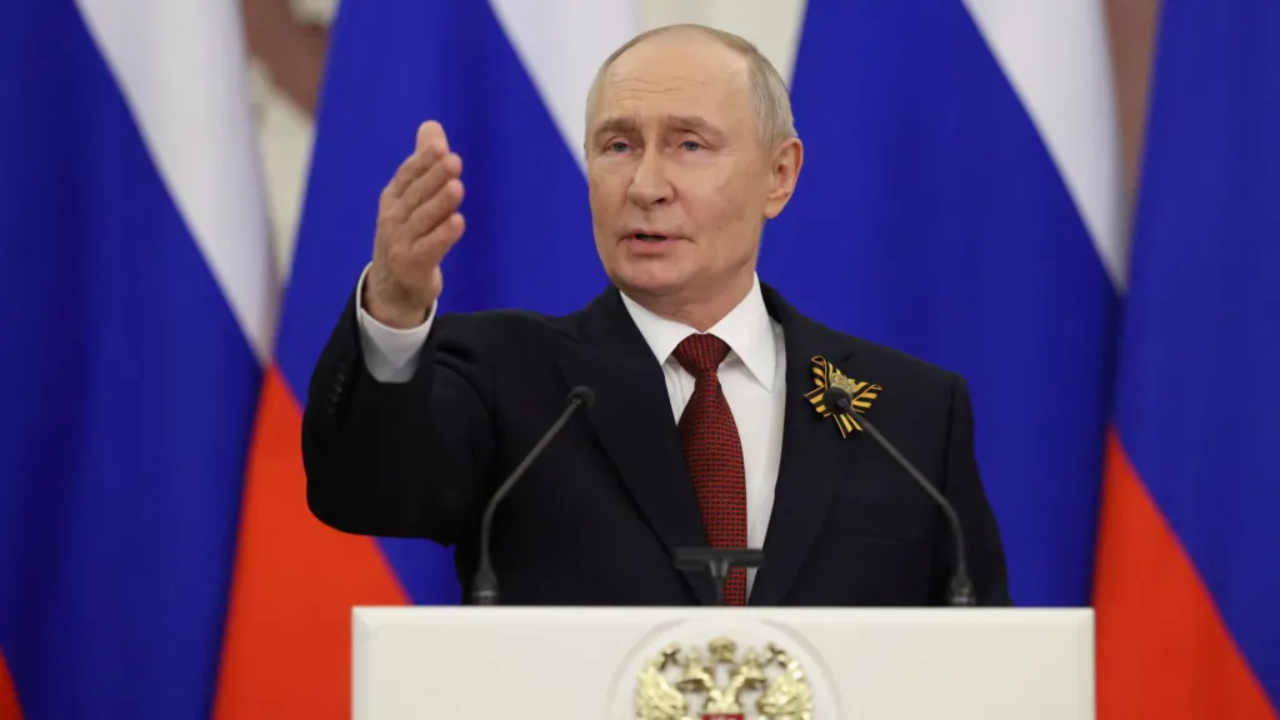
In a notable shift in rhetoric, Russian President Vladimir Putin suggested on May 9, 2026, that the four-year conflict in Ukraine may finally be “coming to an end.” Speaking during Victory Day events in Moscow, his comments have ignited fresh debate over whether a permanent diplomatic breakthrough is within reach.
Thank you for reading this post, don't forget to subscribe!The Current Diplomatic Landscape
The timing of Putin’s statement is closely tied to a series of high-stakes diplomatic maneuvers:
- The Three-Day Truce: A temporary ceasefire, brokered by the United States, is currently in effect from May 9 to May 11. Despite minor reports of friction, the pause in major kinetic activity has held through its first 24 hours.
- Mass Prisoner Swap: A significant humanitarian exchange of 2,000 prisoners (1,000 from each side) served as a “confidence-building measure” for the ongoing truce.
- A Potential Face-to-Face: Putin signaled he is open to a direct summit with President Volodymyr Zelenskyy in a neutral third country, provided a comprehensive peace deal is finalized beforehand.
- The Schröder Factor: Putin identified former German Chancellor Gerhard Schröder as his preferred mediator for European-led negotiations.
Strategic Motivations
Analysts suggest that Putin’s newfound optimism may be driven by a combination of factors:
- Military Stalemate: With front lines largely static and Russian forces struggling to secure total control over the Donbas, a “frozen conflict” or negotiated settlement may be increasingly attractive to Moscow.
- Economic Fatigue: The sustained isolation of Russia’s economy and the immense cost of the war effort continue to exert pressure on domestic stability.
- Diplomatic Positioning: By publicly discussing an “end” to the war, the Kremlin may be attempting to shift the burden of continued fighting onto Kyiv and its Western allies.
The Road Ahead
While the rhetoric has softened, the fundamental obstacles to peace remain. Ukraine continues to demand a full withdrawal to its 1991 borders, while Moscow shows no intention of relinquishing the roughly 20% of Ukrainian territory it currently occupies.
While Putin’s words offer a rare glimpse of hope for a de-escalation, the “end” he envisions likely requires concessions that Kyiv has, so far, found unacceptable.

"Suresh Kumar Saini is an experienced Tax Assistant and finance writer. He specializes in US & Canada Tax Guide, Indian Income Tax laws, GST compliance, and personal finance, helping freelancers and remote workers optimize their taxes."