A wave of redistricting is sweeping across the South following the Supreme Court’s April 29 decision in Louisiana v. Callais. Republican-led legislatures are moving quickly to dismantle majority-Black districts, arguing for “race-neutral” maps, while civil rights advocates warn of a historic rollback in minority representation.
State-by-State Breakdown
The impact of these new maps is being felt immediately as states prepare for the 2026 midterms:
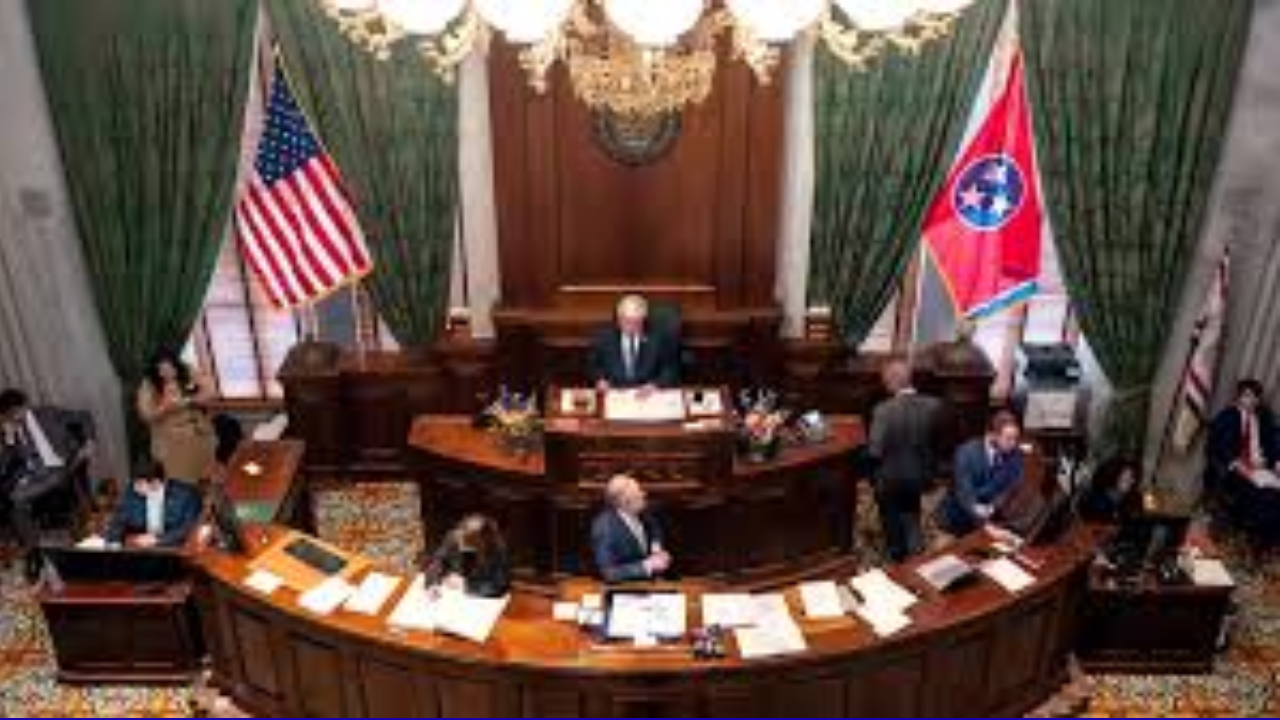
- Tennessee: On May 7, the state finalized a map that splits Memphis into three separate congressional districts. By “cracking” this voting bloc, the move effectively eliminates Tennessee’s only majority-Black district.
- Alabama: Following the Callais precedent, Alabama has moved to revert to a single majority-Black district, aiming to undo the court-ordered expansion that occurred in 2024.
- South Carolina & Florida: Both states are currently fast-tracking maps that restructure minority-heavy districts, which analysts suggest could shift several seats toward Republican control.
The Legal Shift
The catalyst for this “rush” is a fundamental shift in how the Supreme Court interprets the Voting Rights Act. By ruling that the intentional creation of majority-minority districts can be seen as an unconstitutional use of race, the Court has provided a legal green light for legislatures to prioritize partisan geography over racial demographics.
The 2026 Midterm Stakes
This isn’t just a legal debate—it’s a numbers game. Experts estimate these changes could result in a net gain of up to 13 seats for the G.O.P.
“Voters in these communities will now share districts with areas that have entirely different economies and interests, diluting their collective voice.”
While legal challenges from the NAACP and other groups are already in motion, the window to block these maps before the 2026 election cycle is rapidly closing.

Suresh holds a Master of Commerce (M.Com) degree and is a dedicated personal finance researcher and writer. Combining his advanced academic background in commerce with deep industry research, he covers complex topics like taxation, banking systems, credit analysis, and personal finance strategies. As the founder of Tax Assistant (taxassistant.org), Suresh is committed to translating complicated financial guidelines and economic data into simple, accurate, and actionable educational resources for everyday readers.