Prime Minister Benjamin Netanyahu has characterized the official commencement of the second phase of the Gaza ceasefire as a “declarative move,” downplaying its immediate impact on the ground. This assessment comes despite an optimistic announcement from U.S. envoy Steve Witkoff that the transition is officially underway.
Thank you for reading this post, don't forget to subscribe!The Conflict Between Diplomacy and Reality
While the U.S. and regional mediators (Turkey, Qatar, and Egypt) are pushing for a formal transition to a post-war governance structure, Netanyahu’s rhetoric suggests a focus on domestic security and the hostage crisis over diplomatic milestones.
- The Hostage Priority: Netanyahu’s “symbolic” label was notably delivered to the families of hostages. He emphasized that the transition to Phase 2 would not distract from or delay the mission to return all remaining captives and remains to Israel.
- The Technocratic Committee: A centerpiece of this phase is the hand-off of Gaza’s administration to an apolitical committee of Palestinian experts. Netanyahu’s framing suggests he views this committee as a conceptual step rather than a fully functional government at this time.
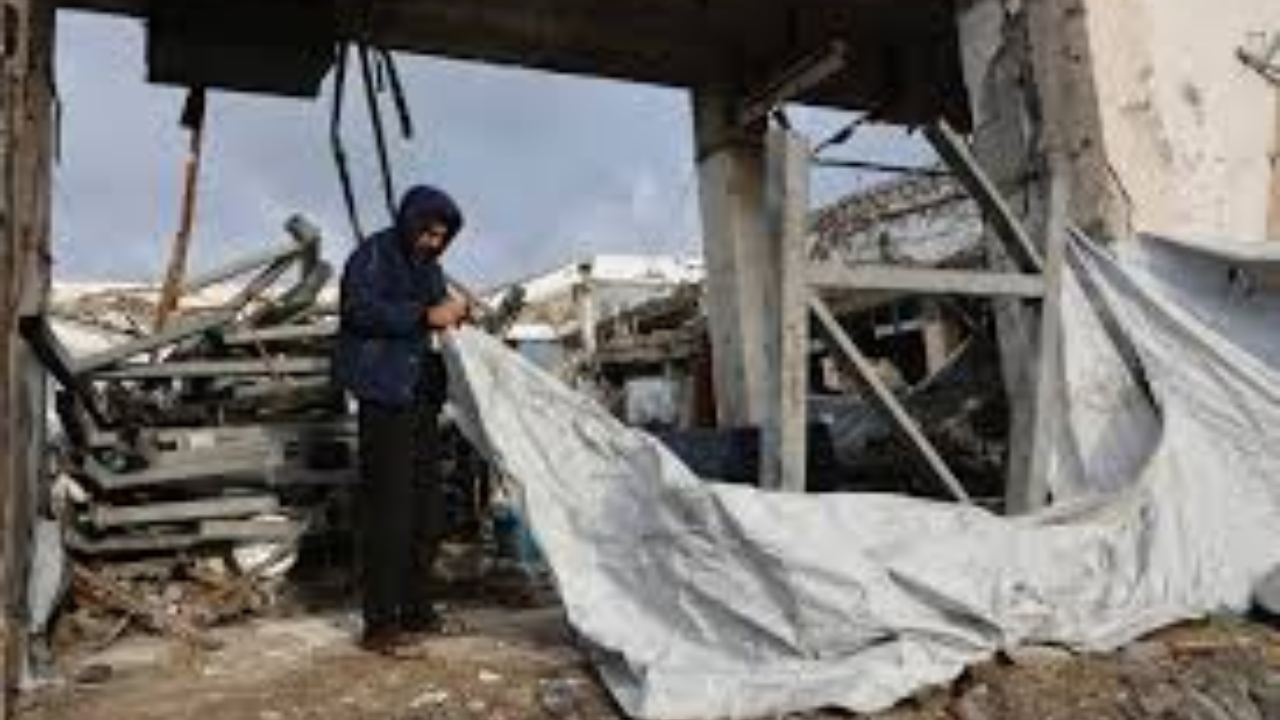
- Persistent Violence: The “Phase 2” label contrasts sharply with the reality on the ground. Despite the ceasefire established in late 2025, Israeli forces still occupy roughly half of the Gaza Strip, and skirmishes continue to result in high casualty rates.
What is Phase 2 Supposed to Accomplish?
The U.S.-backed 20-point plan outlines several high-level goals for this stage of the conflict:
| Goal | Description |
| Governance | Transfer of civilian power to a technocratic (non-political) Palestinian board. |
| Demilitarization | The beginning of the formal process to disarm Hamas. |
| Reconstruction | Setting the stage for a multi-billion dollar international rebuilding effort. |
| Security | Discussion of an international “Board of Peace” to monitor the truce. |
Why This Matters
Netanyahu’s skepticism signals that Israel is not yet ready to fully withdraw or cede security control. By calling the move “symbolic,” he maintains political flexibility at home while technically adhering to the framework laid out by the Trump administration’s mediators.