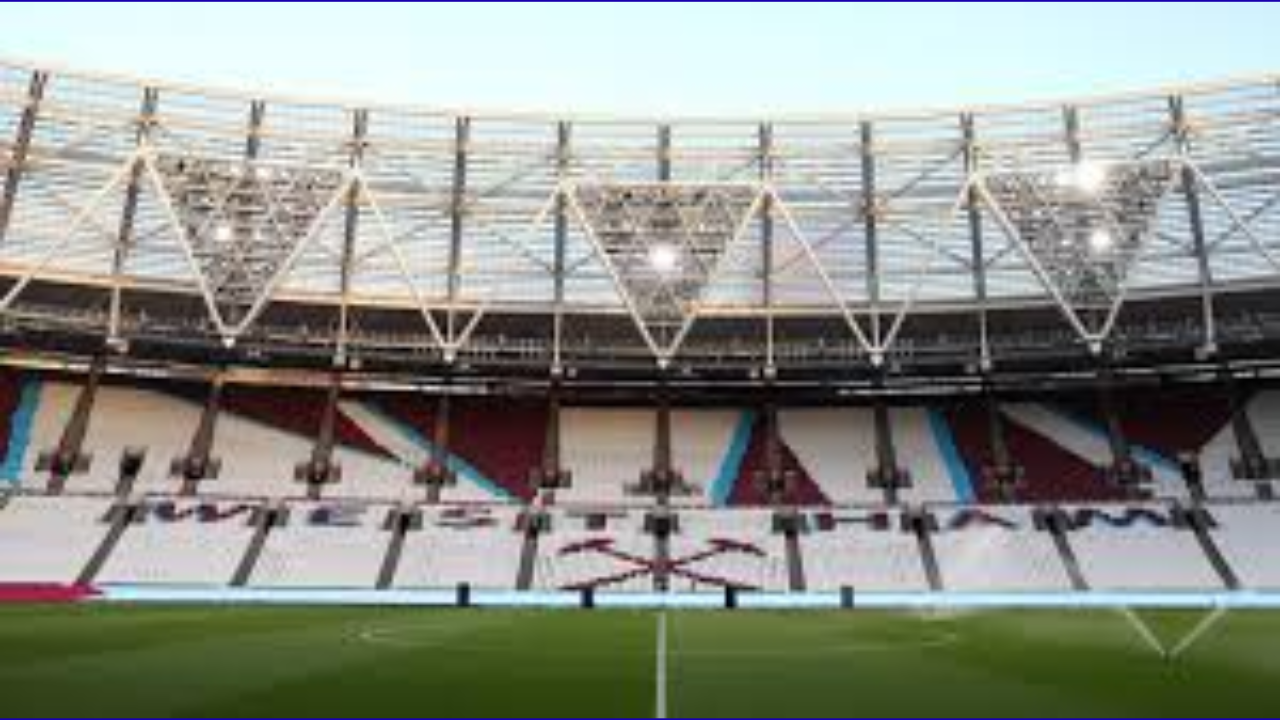
West Ham United’s relegation from the Premier League has done more than just shatter the club’s sporting ambitions; it has blown the lid straight off the decade-long cauldron of controversy surrounding the London Stadium.
Thank you for reading this post, don't forget to subscribe!Despite a desperate 3-0 final-day victory over Leeds United, Tottenham Hotspur’s 1-0 win against Everton officially condemned the Hammers to the Championship. As the dust settles on their top-flight exit, the spotlight has swung violently back onto the stadium’s deeply flawed public-private partnership.
1. The Taxpayer Penalty: A Deal Getting Even Worse
West Ham’s drop to the second tier isn’t just a crisis for the club’s board—it’s a direct hit to the pockets of London taxpayers.
Under the highly scrutinized terms of their 99-year lease, the club’s rental payments to the public owners, the London Legacy Development Corporation (LLDC), are tied to their league status.
- The Rent Drop: Dropping into the Championship triggers a clause that slashes West Ham’s already modest annual rent.
- Widening the Deficit: The stadium’s management has previously admitted that the structure of the West Ham deal is its “most significant financial challenge.” The venue already operates football matches at a loss; a rent reduction means the public will absorb an even heavier financial blow.
2. An Identity Crisis: The “Corporate Bowl” Captures the Pain
For the Hammers faithful, the heartbreak of relegation is magnified by the ghost of their former home. A decade ago, fans were forced to say goodbye to the fierce, intimate, and claustrophobic atmosphere of the Boleyn Ground (Upton Park), sold on a dream that the 2012 Olympic Stadium would catapult them into Europe’s elite.
Instead, the reality of the multi-purpose arena has left a bitter taste.
“Sold our soul for this shole.”* — The definitive chant that echoed toward the directors’ box as relegation was confirmed.
Because the stadium was built for athletics, the stands sit far back from the pitch, causing the legendary West Ham atmosphere to dissipate into the open air. What was promised as a world-class arena is now widely criticized by fans as a cold, corporate bowl that stripped the club of its working-class identity.
3. The Multi-Use Logistical Nightmare
To be fair, West Ham’s tenancy saved the £800 million venue from becoming a decaying “white elephant” like past Olympic sites in Rio or Athens. The stadium successfully brings in massive summer revenue from rock concerts, Major League Baseball, and athletics.
However, co-existing has always been a tightrope walk. Operators have long complained that scheduling non-football events is heavily restricted by West Ham’s calendar. Now, facing the grueling, 46-game slog of a Championship season—complete with relentless Tuesday and Wednesday night fixtures—the logistical window to convert the stadium between sports is going to get incredibly tight.
What’s Next for the Stratford Experiment?
As Czech billionaire Daniel Křetínský and co-chair David Sullivan prepare for a grueling promotion campaign, the sustainability of the entire London Stadium model is up for debate.
To ensure the 68,000-capacity arena doesn’t look completely empty on a cold Tuesday night in the Championship, the club has already slashed adult season ticket prices by 10% to 30%. But with the astronomical loss of Premier League TV rights, both the club and the stadium operators are staring down a bleak financial winter.
The London Stadium was supposed to be the crown jewel of Olympic legacy. Today, it stands as a stark reminder of what happens when civic pride, public funding, and football soul are forced into a bad marriage.

Suresh Kumar Saini is a financial researcher specializing in US Personal Finance, Online Banking, and US Tax Guides, helping individuals navigate complex financial systems.