Hiroshi Watanabe, Japan’s former top currency diplomat, has issued a blunt wake-up call to the administration. His message is clear: Japan is flirting with a UK-style “Truss shock” if it prioritizes populist spending over fiscal sanity.
Thank you for reading this post, don't forget to subscribe!The Warning: A “Truss Shock” in Tokyo?
- Unfunded Tax Cuts: Takaichi’s proposal to suspend the consumption tax on food for two years has spooked investors.
- Fiscal Credibility: Japan’s debt is already more than double its GDP; Watanabe warns that markets won’t tolerate a move toward “loose” fiscal policy without a plan to pay for it.
- The Yield Surge: We’ve already seen the 40-year Japanese Government Bond (JGB) yield climb past 4%, a sign that investors are demanding a higher “risk premium” to hold Japanese debt.
Why the Yen is Vulnerable
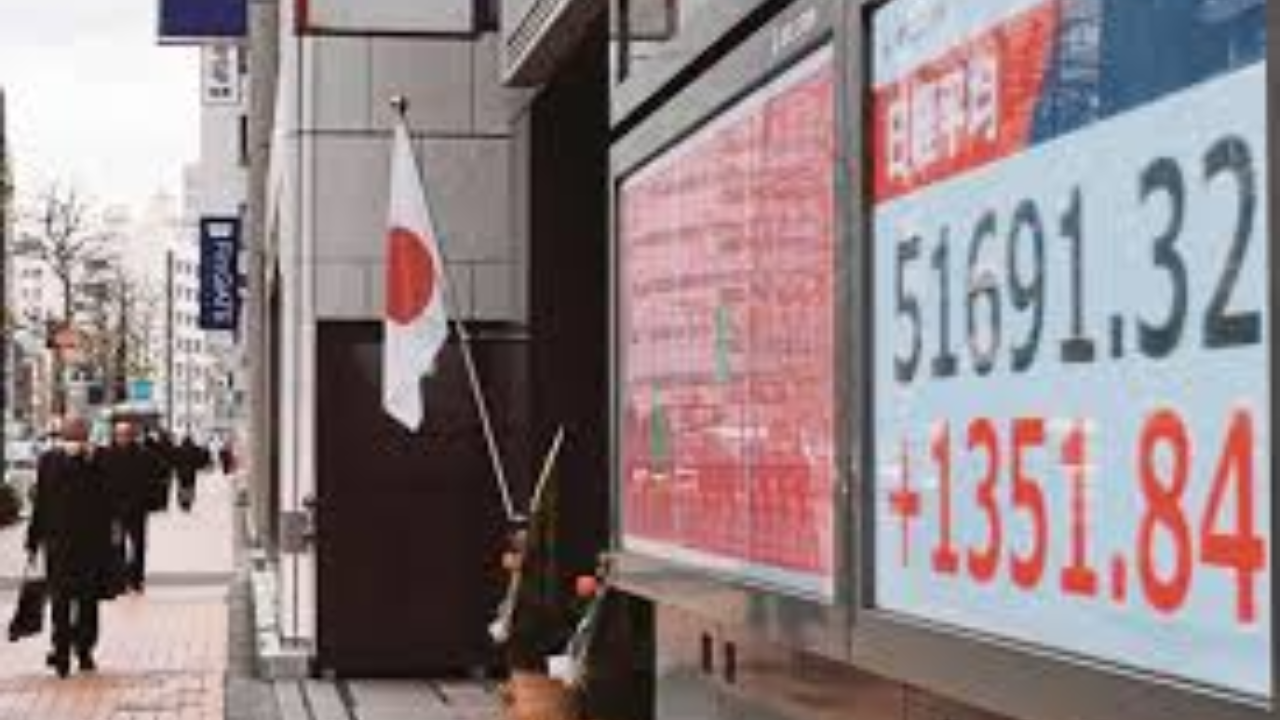
While the yen has hovered around 154 per dollar, Watanabe suggests this stability is an illusion maintained by government warnings. If the February 8 snap election yields a mandate for unchecked spending, we could see:
- Massive Sell-offs: A simultaneous drop in both bonds and the yen.
- Debt Spiral: As interest rates rise, the cost of servicing Japan’s massive debt could become unsustainable.
- Capital Flight: International investors moving money out of Japanese assets to avoid “policy-driven” volatility.
The Verdict
Watanabe isn’t just being a “doom-monger”; he’s speaking from a place of experience. He believes the government has “registered” the market’s anxiety, but the real test will be the post-election budget. Japan is essentially walking a tightrope between trying to jumpstart the economy and keeping global bond vigilantes at bay.
The Takeaway: The “Takaichi Trade” is a high-stakes gamble. If the government loses the trust of the bond market, the resulting currency crash could be impossible to stop with simple interventions.