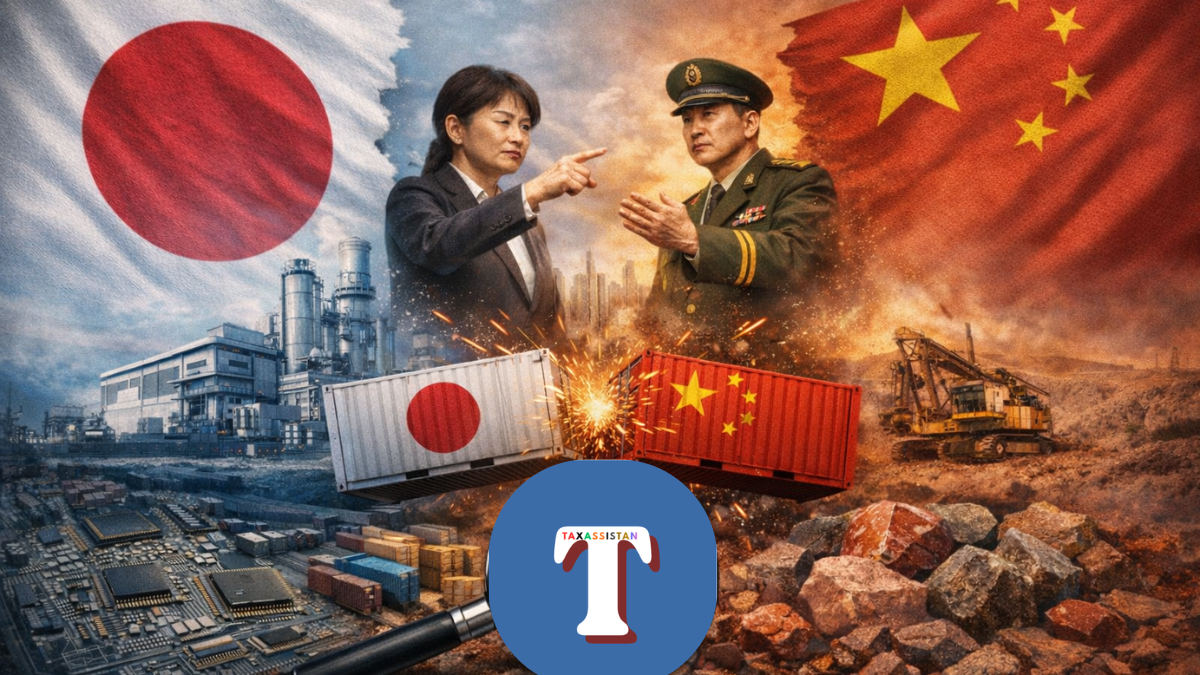
A quiet crisis is brewing beneath the surface of Japan’s record-breaking stock market. Despite booming corporate confidence, a critical shortage of rare-earth minerals is beginning to ripple through the broader economy, forcing Prime Minister Sanae Takaichi’s government into a race against time to secure alternative supplies.
Thank you for reading this post, don't forget to subscribe!The squeeze began after Prime Minister Takaichi drew Beijing’s ire by making defensive remarks regarding Taiwan. In response, China—which controls roughly 70% of global rare-earth production and 60% of reserves—weaponized its supply chain, choking off shipments of indispensable tech-sector minerals to Japan.
The Economic Threat in Numbers
While Japan weathered a similar Chinese embargo in 2010 that cost the country roughly 0.9% of its GDP, experts warn the fallout could be much worse today. The rapid rise of AI infrastructure and electric vehicles (EVs) has made these minerals far more critical to modern supply chains.
- Zero Shipments: Chinese customs data revealed a total freeze on exports of terbium and dysprosium oxide (vital for making high-powered magnets) to Japan, alongside near-zero shipments of yttrium oxide.
- Warnings Double: Risk disclosures filed with the Tokyo Stock Exchange have spiked. Historically averaging fewer than 40 mentions a month, rare-earth warning notices have more than doubled, spreading from heavy industries into consumer electronics firms.
- Widespread Anxiety: Over two-thirds of the nearly 200 corporate filings mentioning rare earths explicitly state that China’s export controls are actively hurting business or pose a major future threat.
How Corporate Japan is Reacting
The pain is not being felt equally across the board, largely depending on how much stock companies built up before Beijing tightened the screws.
Citizen Watch: The watchmaker uses rare earths in its motors. While it has not yet revised its earnings forecasts, it formally warned that a prolonged restriction will inevitably disrupt production and financial performance.
Omron: The medical device manufacturer does not buy rare earths directly but noted that its purchased components rely on them. The company has officially added China’s export restrictions to its high-level geopolitical risk assessment alongside ongoing conflicts in Ukraine and the Middle East.
Tokyo’s Race for Alternatives
The Japanese government is scrambling to contain the damage and prevent public panic. The industry ministry is rolling out aggressive subsidies and investments to jumpstart domestic rare-earth recycling projects and secure new supply lines.
International diplomacy is also front and center. Prime Minister Takaichi has leaned into a critical minerals framework signed with U.S. President Donald Trump, which outlines plans for joint stockpiling, rapid-response supply sharing, and the potential joint development of deep-sea deposits. Additionally, Japan is banking on a Group of Seven (G7) coordination plan to manage emergency stockpiles.
However, independent analysts warn that these alternative projects are years away from commercial-scale output, leaving corporate Japan vulnerable in the quarters ahead.

"Suresh Kumar Saini is an experienced Tax Assistant and finance writer. He specializes in US & Canada Tax Guide, Indian Income Tax laws, GST compliance, and personal finance, helping freelancers and remote workers optimize their taxes."