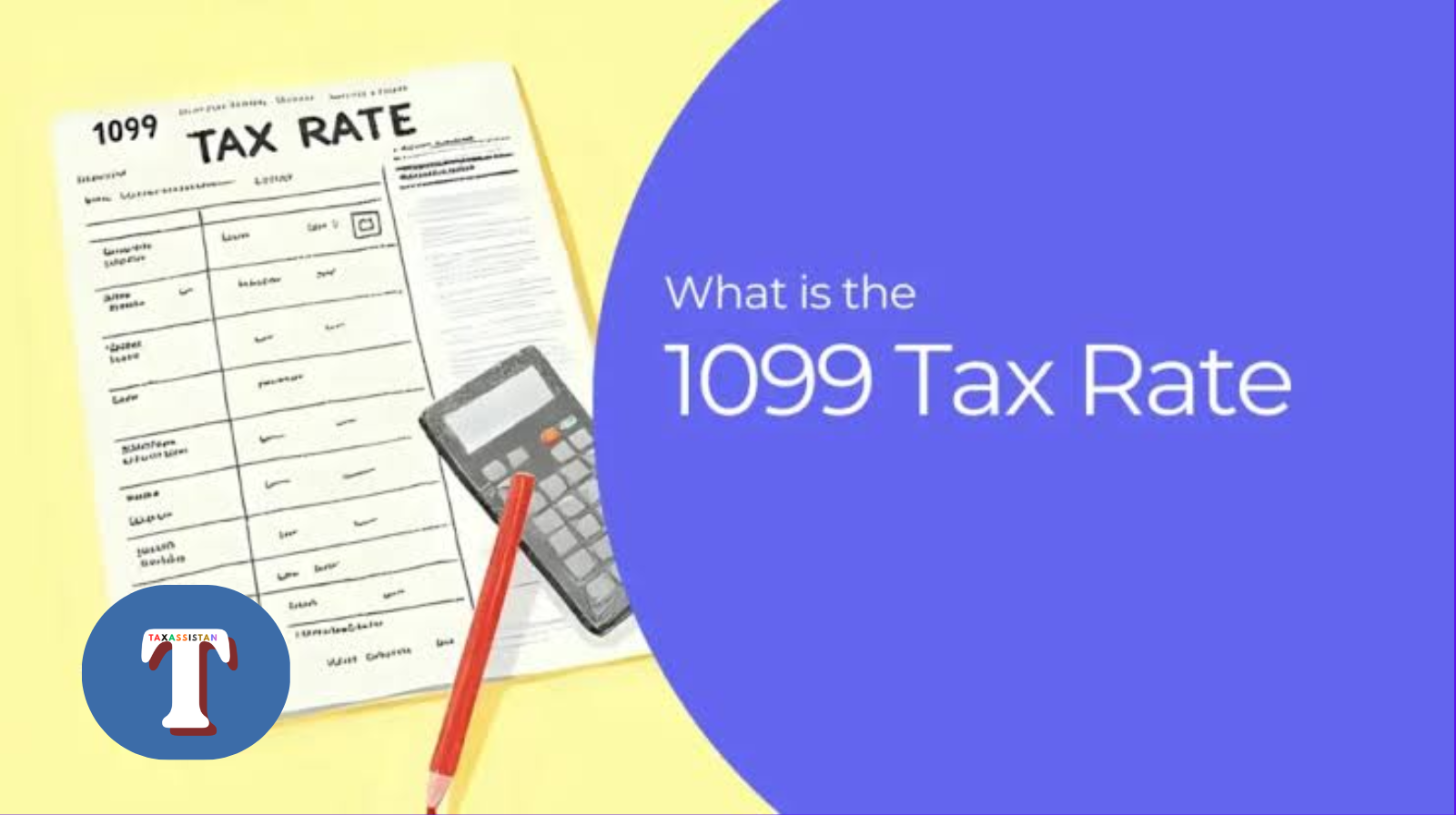
The IRS wants its cut as you earn it. If you expect to owe $1,000 or more in taxes for the year, you are required to make quarterly payments using Form 1040-ES.
Here are the two ways to figure out exactly what to pay.
Route 1: The “Safe Harbor” Method (Easiest)
This is the fastest path because you look backward at last year’s tax return instead of trying to guess your future income. If you pay this amount, the IRS cannot hit you with an underpayment penalty—even if you end up making way more money this year.
- If last year’s Adjusted Gross Income (AGI) was $150,000 or less: Take your total tax liability from your last tax return, divide it by 4, and pay that amount each quarter.
- If your prior AGI was over $150,000: Take your total tax liability from last year, multiply it by 110%, and divide it by 4.
Route 2: The Exact Prediction Method (For Variable Income)
If your income fluctuates or you want to pay only what you owe in real time, you have to factor in both Self-Employment Tax (covering Social Security and Medicare) and Income Tax.
1.Find Your Net Profit:
Step 1.
Take your gross 1099 earnings for the quarter and subtract your ordinary business expenses (mileage, home office, software, tools).
Net Profit = Gross Income -Expenses
2.Calculate Self-Employment (SE) Tax:
Step 2.
As an independent contractor, you pay both the employer and employee sides of FICA taxes. This is a flat 15.3% tax applied to 92.35% of your net profit.
SE Tax = Net Profit x 0.9235 x 0.153$
3.Estimate Your Income Tax:
Step 3.
Estimate your federal income tax bracket rate based on your total household income. Pro tip: You can deduct 50% of your SE tax from your income before figuring this step out.
4.Combine and Pay:
Step 4.
Add your estimated Income Tax and your SE Tax together. This is your total estimated payment for the quarter.
The 30% Shortcut: If you want to bypass the math completely, a solid rule of thumb is to sweep 30% of every 1099 check into a separate savings account, and send that entire pool to the IRS every quarter.
The Shifting Deadlines
Quarterly deadlines are notoriously uneven. Keep these target dates on your calendar:
| Quarter | Income Earned Between | Due Date |
| Q1 | January 1 – March 31 | April 15 |
| Q2 | April 1 – May 31 | June 15 |
| Q3 | June 1 – August 31 | September 15 |
| Q4 | September 1 – December 31 | January 15 (Following Year) |
Note: If the 15th falls on a weekend or a legal holiday, the deadline shifts to the next business day.
How to Pay
Skip the paper vouchers and paying by mail. The cleanest way to pay is online via IRS Direct Pay or the EFTPS portal. Don’t forget your state—most states with income tax require a separate quarterly payment on their own state tax portal.
Editing by- katie willimas

Suresh holds a Master of Commerce (M.Com) degree and is a dedicated personal finance researcher and writer. Combining his advanced academic background in commerce with deep industry research, he covers complex topics like taxation, banking systems, credit analysis, and personal finance strategies. As the founder of Tax Assistant (taxassistant.org), Suresh is committed to translating complicated financial guidelines and economic data into simple, accurate, and actionable educational resources for everyday readers.