It’s a question everyone asks, whether you’re living paycheck to paycheck or sitting on a fortune.
According to the Federal Reserve’s latest data, the median household checking balance sits around $2,800. But here is the truth: you should ignore what everyone else is doing. Your target balance should be dictated entirely by one thing: your monthly bills.
The Golden Rule: The 1-to-2 Month Buffer
Most financial experts recommend keeping one to two months’ worth of living expenses in your checking account at all times.
Example: If your fixed bills and regular spending total $5,000 a month, you should consistently maintain a balance between $5,000 and $10,000.
Why do you need this buffer?
- Zero Overdraft Fees: If you have bills on autopay, a healthy cushion ensures you never wake up to a negative balance or steep bank penalties because a bill cleared a day before payday.
- Financial Peace of Mind: You can use your debit card for everyday purchases—like groceries, gas, or a movie—without constantly stressing over your exact balance.
The Danger of Over-Funding Your Checking Account
While a buffer is great, keeping too much money in checking is a mistake. Traditional checking accounts pay next to no interest. By leaving massive amounts of idle cash there, you actually lose money over time due to inflation.
If you have extra cash beyond your two-month buffer, it’s time to move it into vehicles that make your money work for you:
1. High-Yield Savings Account (HYSA)
- Best for: Emergency funds and short-term savings (e.g., unexpected car repairs, medical bills, or job loss).
- Why use it: While standard savings accounts pay a measly national average of around 0.4%, online HYSAs offer rates up to 10 times higher, helping your money grow while keeping it completely accessible.
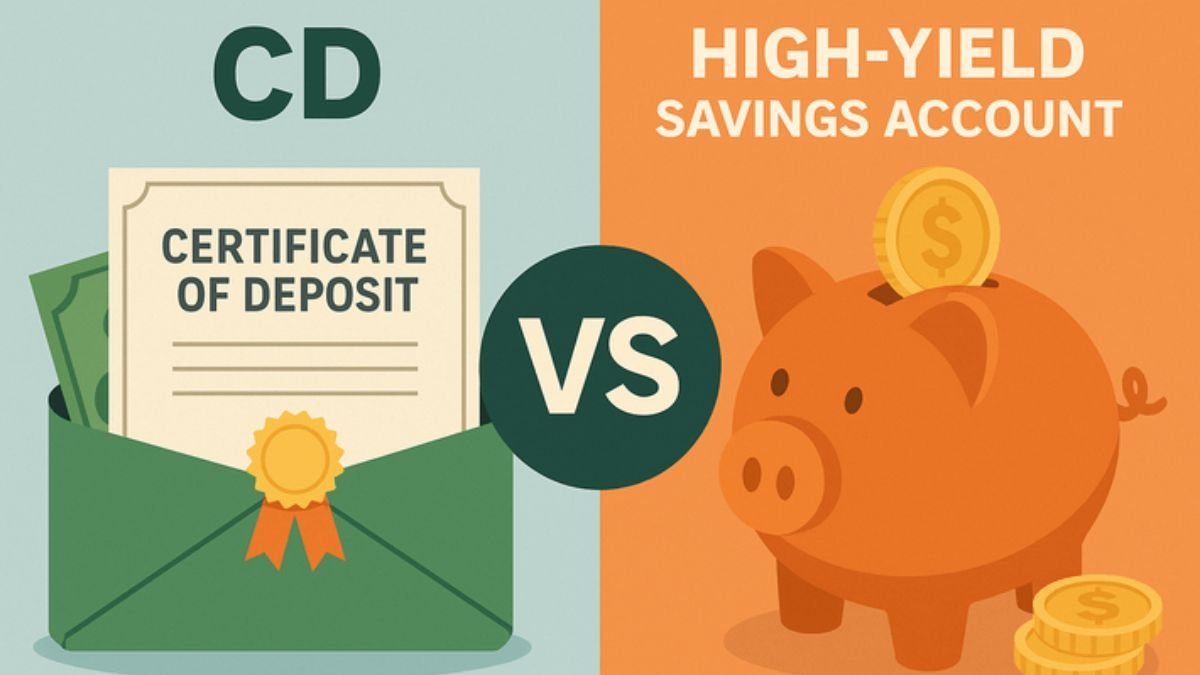
2. Certificate of Deposit (CD)
- Best for: Specific, upcoming milestones (e.g., a wedding, vacation, or tuition payment).
- Why use it: CDs lock in a high interest rate in exchange for leaving your money untouched for a set period (from a few months to several years). Note: Withdrawing early usually triggers a penalty.
3. Money Market Account (MMA)
- Best for: Large balances where you want high interest but still need occasional direct access.
- Why use it: A hybrid between checking and savings. You earn competitive rates similar to an HYSA, but you also get limited check-writing privileges or debit card access. (Be aware that high minimum balances are often required).
4. Long-Term Investments
- Best for: Wealth building and retirement.
- Why use it: Once your emergency savings are secure, redirect extra cash into tax-advantaged accounts like a 401(k) or IRA, a 529 plan for your children’s education, or a standard brokerage account for stocks and real estate. Your future self will thank you.
Editing by Katie willimas

Suresh holds a Master of Commerce (M.Com) degree and is a dedicated personal finance researcher and writer. Combining his advanced academic background in commerce with deep industry research, he covers complex topics like taxation, banking systems, credit analysis, and personal finance strategies. As the founder of Tax Assistant (taxassistant.org), Suresh is committed to translating complicated financial guidelines and economic data into simple, accurate, and actionable educational resources for everyday readers.