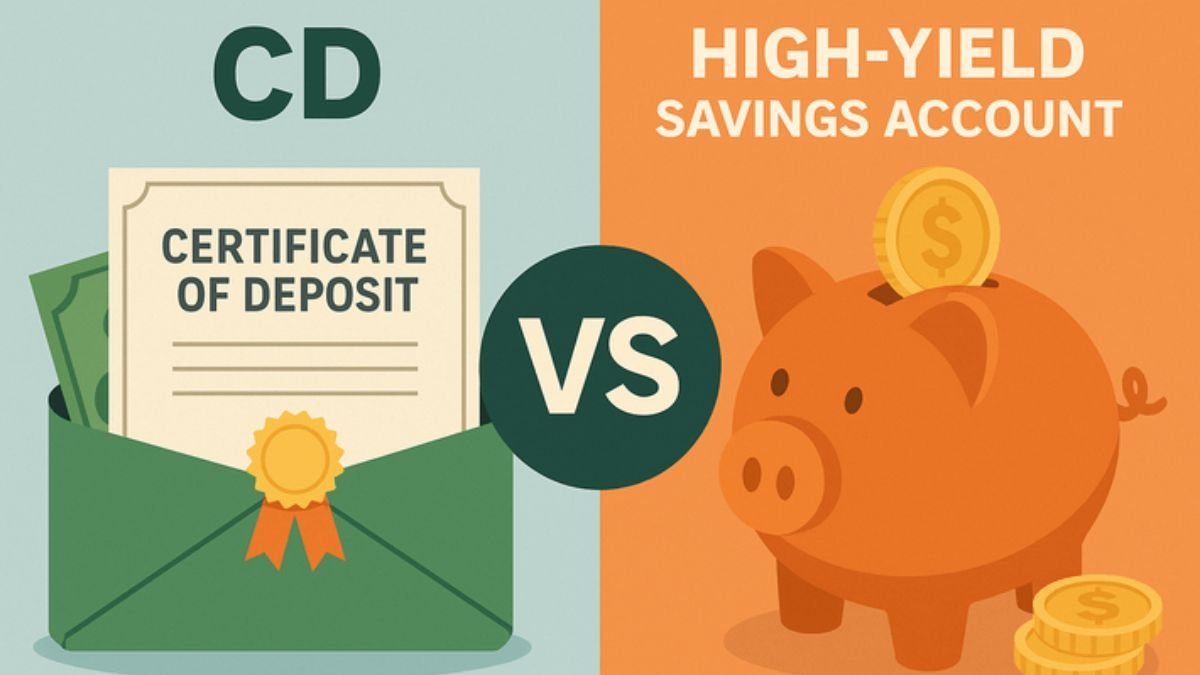
Savings accounts are excellent for building an emergency fund or hoarding cash for a big goal. Because they are designed for storing money rather than spending it, they usually lack everyday payment features like checkbooks or debit cards.
If you need to pay a bill or make a purchase, a checking account is almost always your best bet. However, if most of your cash is sitting in savings, here is exactly what you need to know about accessing it.
The Short Answer: No (With a Few Exceptions)
Generally, you cannot write checks from a traditional savings account because banks simply do not issue checkbooks for them.
The banking industry classifies savings accounts as non-transaction accounts. They aren’t meant for daily commerce, and banks actually face internal guidelines regarding how fluidly that money can move.
Watch Out for the “Rule of 6”
You might have heard of a federal policy called Regulation D. Up until 2020, the Federal Reserve required banks to limit certain “convenient” savings account withdrawals to just six per month to ensure banks maintained enough cash reserves.
While the government no longer enforces this rule, many individual banks still do. If your bank enforces a six-withdrawal limit, the following actions usually count toward it:
- Transfers from savings to checking (online or by phone)
- Automatic bill payments linked directly to savings
- Overdraft protection transfers
- Wire transfers
The Penalty: If you cross the six-transaction threshold, your bank may hit you with an excessive withdrawal fee (up to $30), close the account, or automatically convert it into a non-interest-bearing checking account.
Which Accounts Do Allow You to Write Checks?
If you want your money to earn interest but still need the ability to write occasional checks, you have two primary options:
1. Money Market Accounts (MMAs)
MMAs are a hybrid between checking and savings accounts. They usually offer competitive interest rates and come with a checkbook or debit card.
- The Catch: They often require much higher minimum balances to waive monthly maintenance fees, and they are still usually subject to the six-withdrawal limit.
2. Traditional & Online Checking Accounts
For true check-writing freedom, a standard checking account is unmatched.
- Traditional Banks: You can easily order paper checks online, via an app, or at a branch (though a fee usually applies).
- Online Banks: Many fintechs and online banks will mail you a checkbook for free, or even mail a physical check to a payee on your behalf through their app (like Chime’s fee-free pay-by-check feature).
5 Ways to Pay Someone Using Your Savings
If your money is parked in savings and you need to get it to a payee, use one of these workarounds:
- The Quick Transfer: Move the funds digitally from your savings to your checking account, then write a standard check.
- ATM Withdrawal: Use your debit card to pull cash out at an ATM, then pay in cash or purchase a money order.
- In-Branch Cash: Visit a teller to withdraw the exact amount you need.
- Cashier’s Check: Request an official cashier’s check from your bank. This is ideal—and often required—for massive purchases like a down payment on a car or home.
- Wire Transfer: Send the funds electronically directly from your savings to the recipient’s bank account.
Reed More….https://finance.yahoo.com/personal-finance/banking/article/can-you-write-checks-from-a-savings-account-190441600.html
Editing By- Katie Williams

Suresh holds a Master of Commerce (M.Com) degree and is a dedicated personal finance researcher and writer. Combining his advanced academic background in commerce with deep industry research, he covers complex topics like taxation, banking systems, credit analysis, and personal finance strategies. As the founder of Tax Assistant (taxassistant.org), Suresh is committed to translating complicated financial guidelines and economic data into simple, accurate, and actionable educational resources for everyday readers.