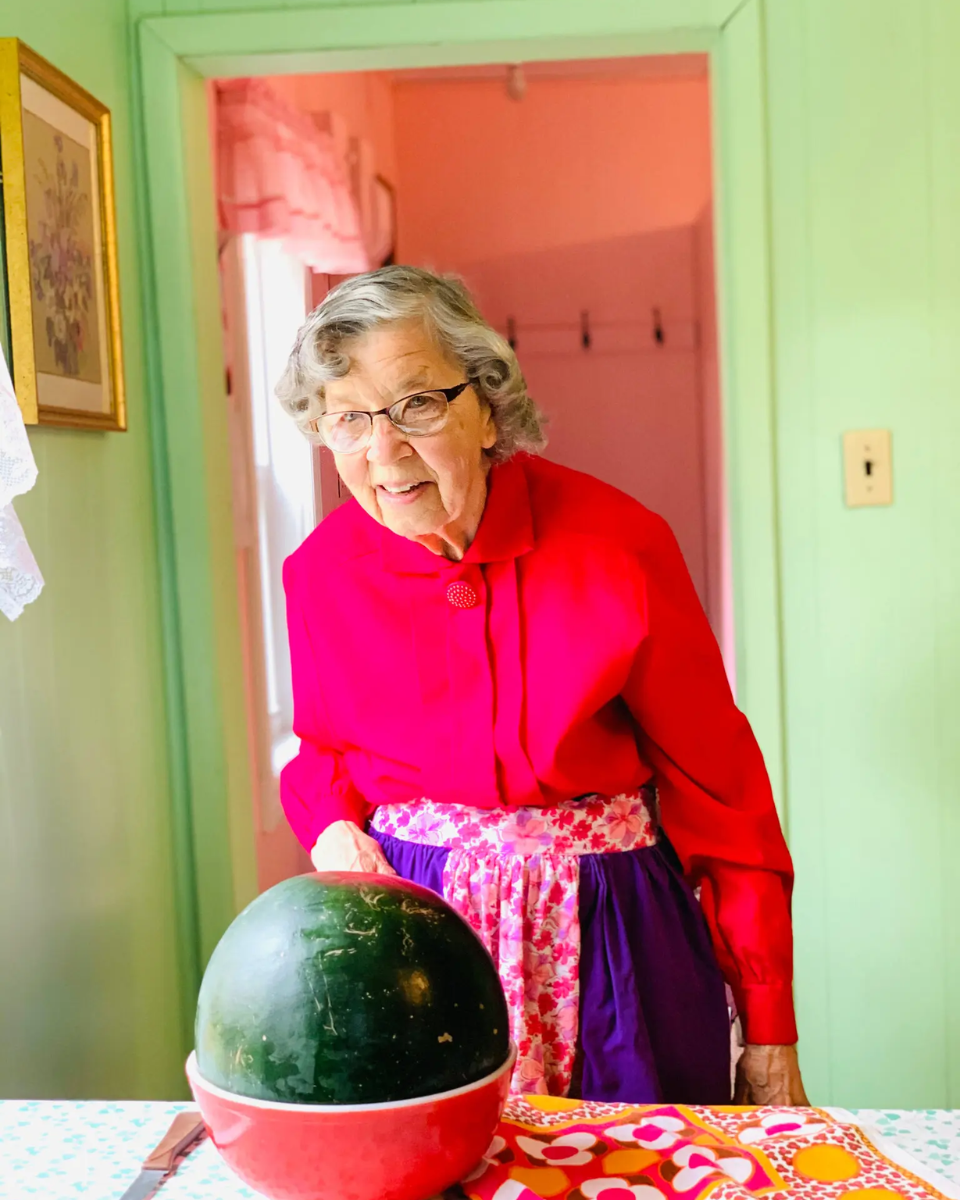
Amalie Atkins’ latest documentary, “Agatha’s Almanac,” is less of a traditional biography and more of a sensory immersion into a disappearing world. Premiering to wide acclaim, the film follows the director’s 90-year-old aunt, Agatha Bock, as she navigates her ancestral farm in Manitoba with a grit that puts modern “homesteading” influencers to shame.
Thank you for reading this post, don't forget to subscribe!The Heart of the Farm
Agatha is a woman untethered from the 21st century. Living without running water, a car, or a phone, her life is dictated by the soil and the seasons. The documentary captures the minute details of her self-reliance:
- The Heirloom Legacy: Agatha tends to a garden of ancestral seeds, preserving a botanical history that stretches back over a century.
- Pragmatic Genius: The film highlights her “Agatha-isms,” like her signature move of painting tool handles bright red for visibility or using masking tape as a universal repair kit.
- A Solo Spirit: Her independence is fierce and intentional; her rejection of marriage wasn’t a tragedy, but a practical choice for a woman who simply preferred her own company and her own work.
Aesthetic & Atmosphere
The film’s technical choices are as deliberate as Agatha’s gardening:
- Tactile Cinematography: Shot on 16mm film, the visual texture is grainy and warm. It feels like watching a memory being captured in real-time.
- Rhythmic Soundscapes: The audio design blends the natural hum of the farm—bees, wind, and water—with the steady, mechanical ticking of clocks, emphasizing the relentless passage of time.
- Experimental Pacing: Atkins eschews a standard “talking head” format for a more rhythmic, montage-heavy style that feels both frantic and meditative.
The Critical Consensus
Having already secured the Best Canadian Feature Documentary title at Hot Docs, “Agatha’s Almanac” is being hailed as a triumph of Canadian cinema.
“A vibrant, unsentimental portrait of a woman who has outlived the world that made her, yet refuses to be a relic.”
While a few critics find the rapid-fire editing a bit jarring against the backdrop of rural life, most agree that the bond between Atkins and her aunt provides a warmth that anchors the film’s more experimental flourishes.
Final Thoughts
“Agatha’s Almanac” is a stunning reminder of what it means to be truly “connected” to the earth. It is a loud, textured, and deeply moving argument for the beauty of a handmade life. If you have the chance to see it on the big screen, don’t miss the chance to watch Agatha eat a watermelon—it’s the most joyful bit of cinema you’ll see this year.

"Suresh Kumar Saini is an experienced Tax Assistant and finance writer. He specializes in US & Canada Tax Guide, Indian Income Tax laws, GST compliance, and personal finance, helping freelancers and remote workers optimize their taxes."