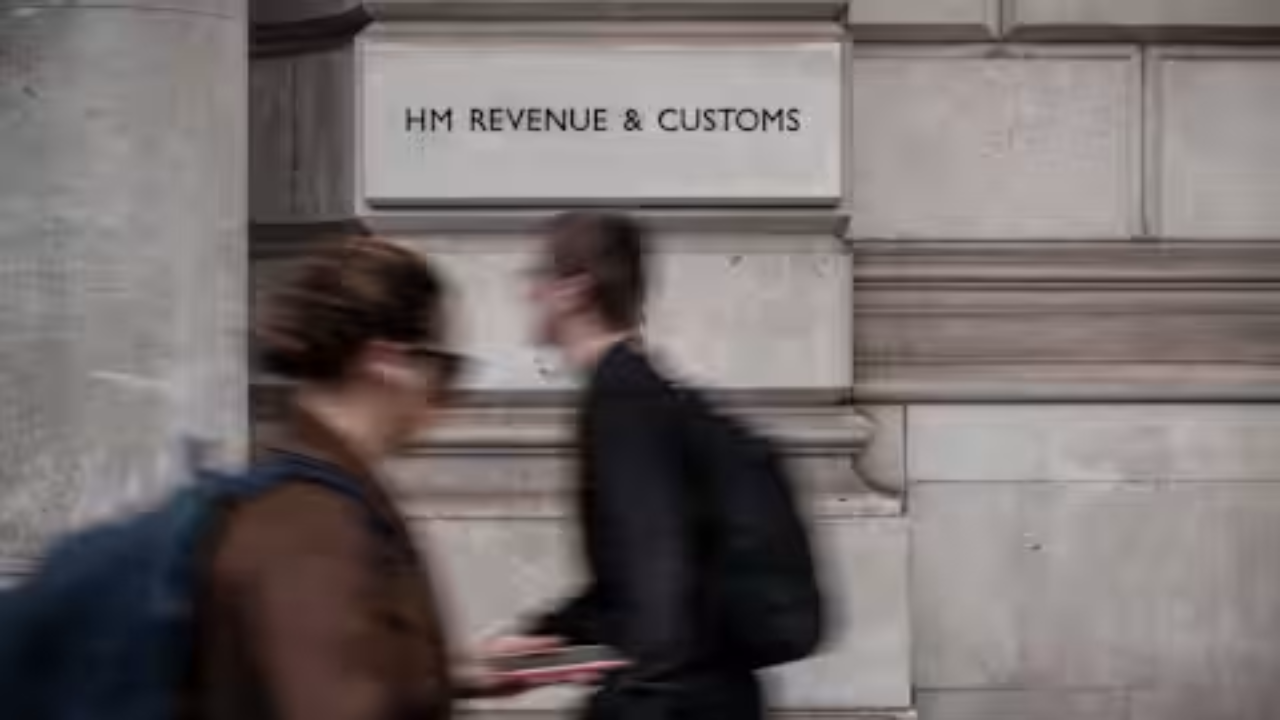
The post-pandemic shift toward hybrid work continues to disrupt London’s commercial real estate market. London-focused flexible office provider Workspace Group has posted a major £120.3 million pre-tax loss for fiscal year 2026, marking a severe reversal from the £5.4 million profit recorded the previous year.
Thank you for reading this post, don't forget to subscribe!The downturn was primarily triggered by a £159.2 million plunge in the fair value of its property portfolio, alongside a shrinking rent roll and compressed pricing power. To protect its balance sheet, the board has trimmed the full-year dividend by 8%.
FY 2026 Financial Performance
| Financial Metric | FY 2025 | FY 2026 | Year-on-Year Impact |
| Pre-Tax Profit / Loss | £5.4m Profit | (£120.3m) Loss | Swung heavily into the red |
| Total Revenue | £185.2m | £181.4m | Slipped 2% due to softer leasing prices |
| Portfolio Valuation Change | — | — | £159.2m written off asset values |
| Full-Year Dividend | 28.4p | 26.1p | Cut to support cash retention |
What is Driving the Downturn?
- Size Mismatch & Soft Pricing: While small startup spaces (under 1,000 sq. ft.) held up relatively well, larger corporate units saw a 4.7% drop in estimated rental values. Overall rent per square foot slid by 1.3% over the year.
- The Macro Squeeze: Elevated interest rates continue to pressure commercial landlords from two angles—driving up borrowing costs on floating debt and raising the property yields required by investors, which mathematically drags down paper valuations.
- The Cost of Reconfiguration: Facing an 81.6% portfolio occupancy rate, Workspace is absorbing significant construction costs to partition empty, larger corporate office floors into smaller, multi-tenant units that align with modern flexible working demands.
Turnaround Strategy vs. Activist Siege
The financial slump arrives at a highly volatile time for the company’s leadership. Newly appointed CEO Charlie Green, who took over the reins in February 2026, has introduced a “Fix, Accelerate, Scale” turnaround plan focused on low-risk asset refurbishments and capital recycling via a £200 million asset disposal program.
However, management is facing a major shareholder mutiny from activist hedge fund Saba Capital, which controls over 21% of the company’s voting rights.
The Boardroom Battle: After the board rejected Saba’s initial proposal for a managed wind-down of the business, Saba escalated the conflict by issuing a revised requisition notice demanding the removal of all six non-executive directors at the upcoming July AGM, aiming to replace them with their own nominees.
The Outlook: Workspace has already warned investors to brace for a “substantial step down” in trading profits for fiscal year 2027. This is driven by a lower opening rent roll, ongoing asset sales, and the immediate operational costs required to reposition the portfolio.
Reed More…..https://www.bloomberg.com/finance
Editing by- katie willimas