While Donald Trump’s threats of a naval blockade against Iranian ports are aimed directly at Tehran, the ripple effects would create a significant crisis for Beijing. Although the Chinese government has urged “calm and restraint,” the potential disruption reaches far beyond simple diplomacy.
Thank you for reading this post, don't forget to subscribe!Here is a breakdown of why a blockade is a major threat to Chinese interests:
1. Beyond Iranian Oil: The Chokepoint Risk
The narrative that China only cares about Iran’s oil is a misconception. While Iran supplies roughly 13% of China’s crude—a deficit Beijing could potentially source elsewhere—the real danger lies in the geography of the Strait of Hormuz.
- The Regional Hub: This narrow waterway is the exit point for energy exports from Saudi Arabia, the UAE, and Kuwait.
- Total Reliance: China is the world’s largest oil importer; any military action that closes or destabilizes this strait threatens the majority of China’s total energy supply, not just the Iranian portion.
2. The Middle East as a Vital Export Market
In 2025, China successfully pivoted its trade strategy toward the Middle East to offset the pressures of a trade war with Washington.
- Rapid Growth: Chinese exports to the region grew nearly twice as fast as its exports to the rest of the world last year.
- Economic Reliance: Beijing’s economy depends on selling manufactured goods globally. A conflict-driven blockade creates “global instability,” which is the primary enemy of China’s export-led growth.
3. Resistance to US “Policing”
There is a deep-seated geopolitical tension regarding who controls global trade routes.
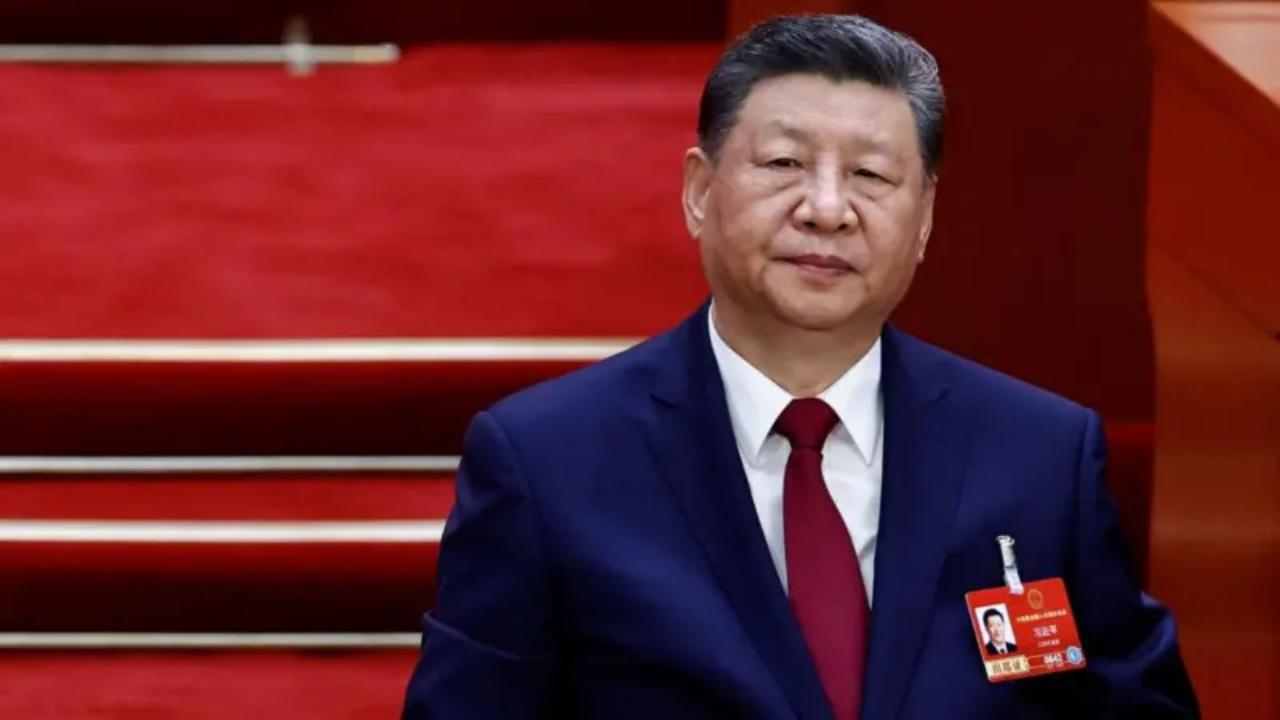
- Strategic Sovereignty: President Xi is ideologically opposed to the US Navy acting as the sole “policeman” of strategic waterways.
- Power Dynamics: Allowing the US to dictate who can and cannot pass through the Strait of Hormuz sets a precedent that Beijing views as a threat to its own maritime security and long-term interests.
The Policy Dilemma
Beijing is currently caught between two conflicting interests:
- The Policy of Non-Interference: Historically, China avoids providing security guarantees or military support to foreign nations like Iran.
- Strategic Necessity: The threat to global trade may force Beijing to move beyond “calls for restraint” and take a more active role in the region to protect its economic lifeline.
Bottom Line: China’s primary concern isn’t just keeping Iranian oil flowing—it’s preventing a US-led military action from paralyzing the entire Middle Eastern trade corridor that China now relies on for its economic survival.