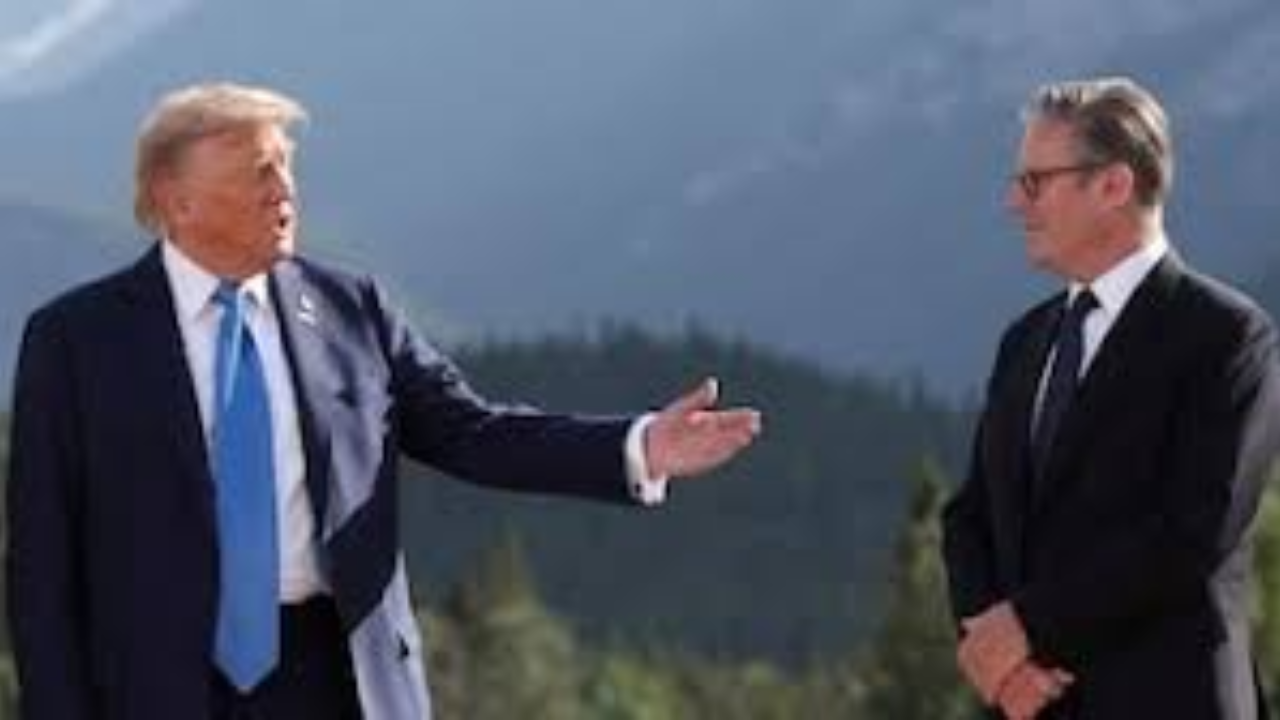
Prime Minister Keir Starmer has confirmed that the United Kingdom will not join the United States in its military blockade of Iranian ports. This decision marks a significant strategic departure from Washington following the breakdown of recent diplomatic talks.
Core Strategic Stance
- Non-Participation: The Royal Navy will not engage in offensive operations or the direct blocking of Iranian maritime corridors.
- Mission Scope: UK assets—specifically minesweepers and anti-drone units—will remain in the region, but their mandate is strictly limited to the defensive protection of international shipping.
- Diplomatic Priority: Starmer emphasized a “de-escalation first” approach, coordinating with European allies like France to prevent a wider regional conflict.
Drivers of the Decision
The refusal to align with the US “complete blockade” strategy is rooted in two major concerns:
- Economic Stability: Chancellor Rachel Reeves highlighted the severe risk of surging global oil prices and the subsequent impact on the UK’s domestic cost of living.
- Geopolitical Risk: UK officials expressed concern that a full blockade could lead to a permanent closure of the Strait of Hormuz, escalating the crisis beyond the point of diplomatic return.
The Growing NATO Rift

Suresh holds a Master of Commerce (M.Com) degree and is a dedicated personal finance researcher and writer. Combining his advanced academic background in commerce with deep industry research, he covers complex topics like taxation, banking systems, credit analysis, and personal finance strategies. As the founder of Tax Assistant (taxassistant.org), Suresh is committed to translating complicated financial guidelines and economic data into simple, accurate, and actionable educational resources for everyday readers.