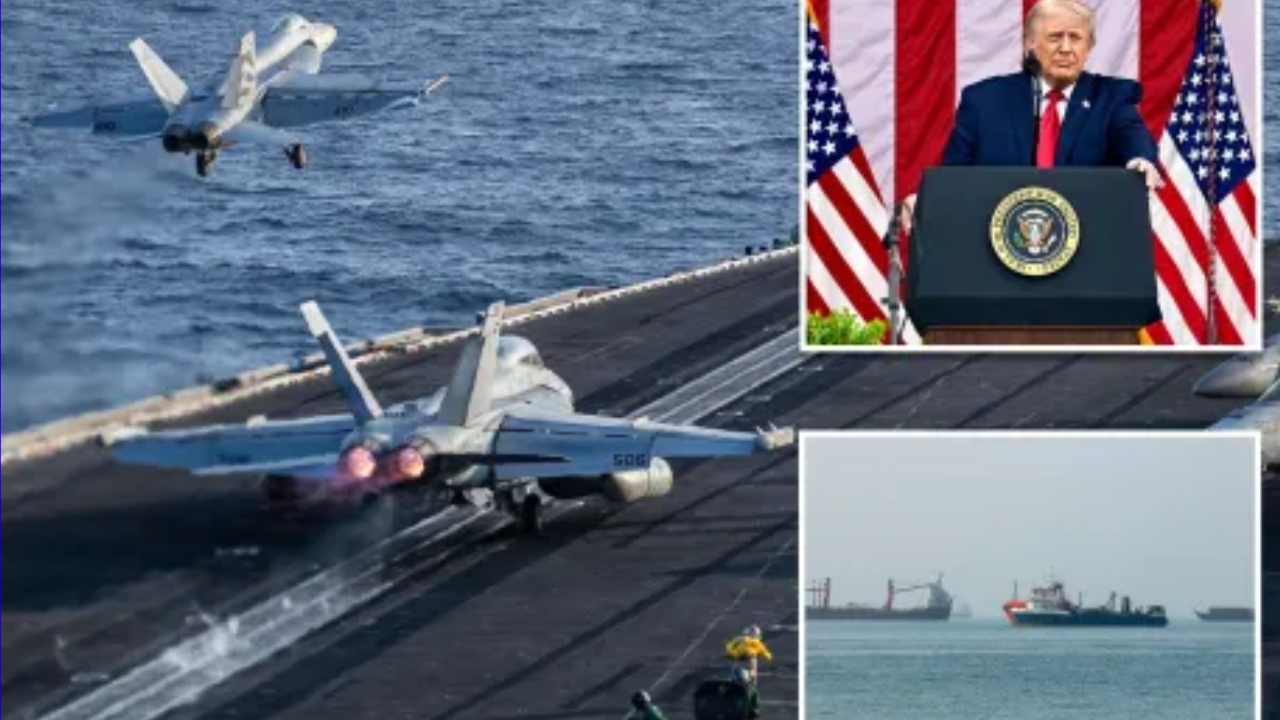
U.S. Central Command (CENTCOM) has executed targeted, localized strikes against military assets in southern Iran. Despite the high-stakes escalation, U.S. defense officials explicitly categorized the action as a tactical act of self-defense meant to neutralize immediate threats, rather than an attempt to collapse the broader regional ceasefire established in April.
Key Details of the Strikes
According to CENTCOM, the operation was concentrated near the strategic port city of Bandar Abbas, a critical naval hub along the Strait of Hormuz. The engagement involved two distinct targets:
- Mine-Laying Vessels: U.S. forces intercepted and destroyed two Islamic Revolutionary Guard Corps (IRGC) boats caught actively attempting to deploy naval mines in international shipping lanes.
- Surface-to-Air Missile (SAM) Battery: A stationary Iranian air defense site in Bandar Abbas was targeted and eliminated after it engaged or locked onto U.S. military aircraft patrolling the airspace.
Casualties & Counterclaims: Regional reports indicate the strikes triggered visible explosions across multiple coastal cities, resulting in at least four casualties. The IRGC claimed it retaliated by targeting American assets, including a U.S. MQ-9 Reaper drone.
The Diplomatic and Economic Stakes
The timing of the strike underscores the volatile “talk-and-fight” dynamic currently playing out between Washington and Tehran.
1. The Fate of the Truce
Senior U.S. officials emphasized that the operation is “over for now” and is not a termination of the current weeks-long ceasefire. The administration maintains that U.S. forces acted with extreme restraint to isolate a localized threat while keeping broader diplomatic tracks alive.
2. Ongoing Peace Negotiations
The friction occurred just hours after Iranian negotiators met with Qatari mediators acting on behalf of the United States. President Trump indicated via social media that a comprehensive deal—hinging on the destruction or removal of Iran’s highly enriched uranium—was “proceeding nicely,” though Iranian officials continue to publicly downplay how close the sides are to a final signature.
3. Market Reactions
Global energy markets looked past the brief military flare-up, focusing instead on the potential for a diplomatic breakthrough. West Texas Intermediate (WTI) crude futures dropped over 6% to roughly $90.73 a barrel following reports that a tentative peace blueprint includes a provision to completely reopen the Strait of Hormuz to commercial transit within 30 days of a signed agreement.
The Bottom Line
While CENTCOM’s “self-defense” framing is intended to insulate peace negotiations from collapsing, the exchange serves as a stark reminder of how easily localized maritime friction in the world’s most critical energy corridor can threaten a sweeping geopolitical breakthrough.

Suresh holds a Master of Commerce (M.Com) degree and is a dedicated personal finance researcher and writer. Combining his advanced academic background in commerce with deep industry research, he covers complex topics like taxation, banking systems, credit analysis, and personal finance strategies. As the founder of Tax Assistant (taxassistant.org), Suresh is committed to translating complicated financial guidelines and economic data into simple, accurate, and actionable educational resources for everyday readers.