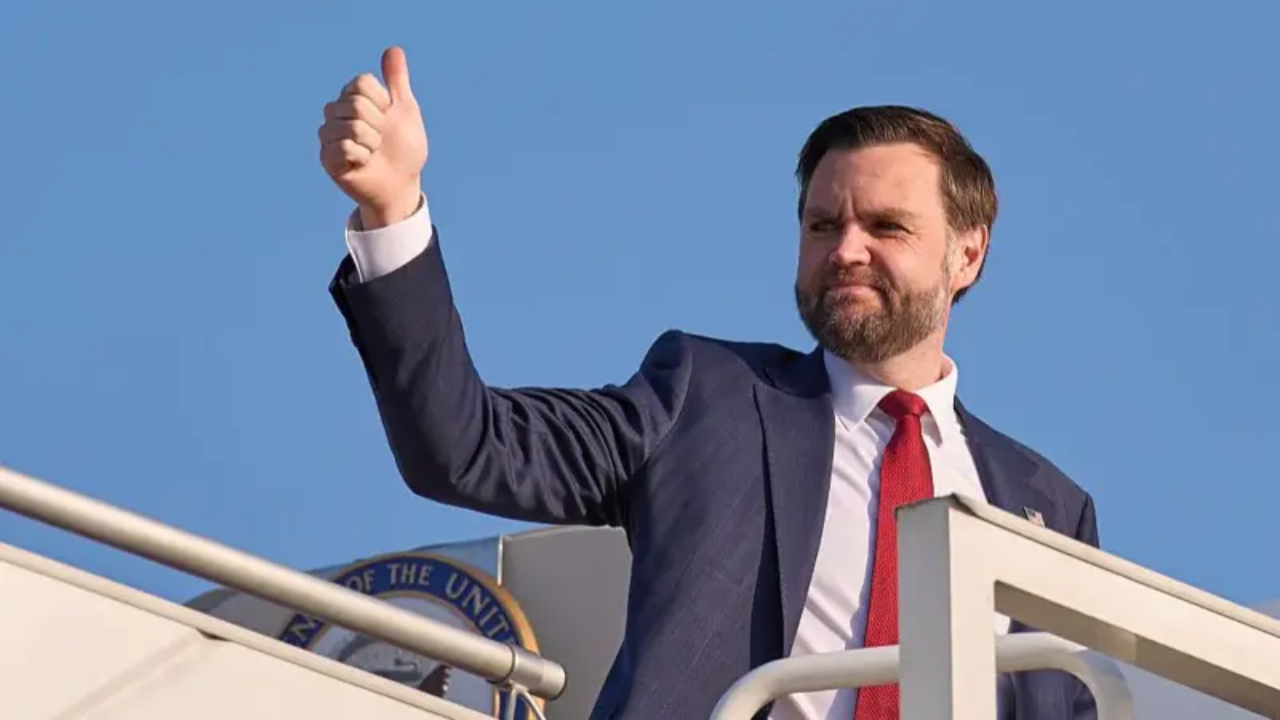
Despite the United States labeling its latest proposal as a “final and best” offer, the door to diplomacy between Washington and Tehran remains open. Following Vice President JD Vance’s departure, President Trump characterized the high-level meetings as “productive” and “friendly,” suggesting that the two nations have already found common ground on specific points.
Thank you for reading this post, don't forget to subscribe!The mere fact that these face-to-face discussions occurred is a significant breakthrough, shattering a long-standing Iranian political taboo against direct high-level engagement with the U.S. This shift in atmosphere, while not a solution in itself, has paved the way for a more formal negotiating track.
Key Obstacles and “Red Lines”
While the tone has improved, the core issues remain deeply entrenched:
- Nuclear Ambitions: Iran’s nuclear program remains the most significant “red line.” Bridging the gap between U.S. demands for dismantlement and Iranian insistence on sovereignty is the primary challenge for negotiators.
- Regional Security: Disputes over the Strait of Hormuz and other regional flashpoints are unlikely to be resolved quickly. Both sides appear unwilling to make major concessions on these strategic fronts.
- Volatility of the Ceasefire: The current truce is described as “shaky.” While neither leadership seems to desire a full-scale military escalation, the proximity of forces creates a persistent risk of an accidental conflict.