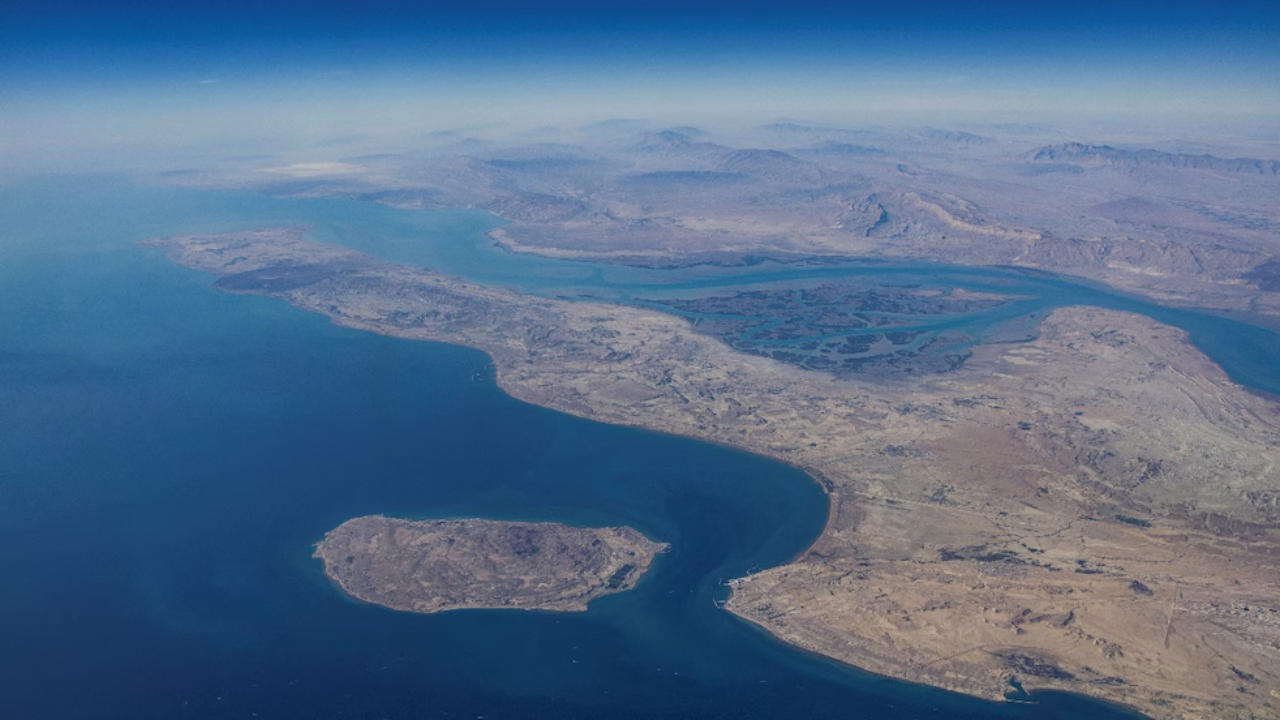
Amidst an intensifying conflict in West Asia, Iran has moved to stabilize its relationship with New Delhi by offering explicit guarantees for Indian maritime interests. Following the implementation of a “selective blockade” in the Strait of Hormuz, Iranian officials have signaled that India remains a prioritized partner.
Thank you for reading this post, don't forget to subscribe!The “Friendly Nation” Protocol
- Exemptions: While the Strait is restricted for US and Israeli-linked vessels, Iran has designated India, China, and Russia as friendly nations entitled to continued passage.
- Operational Oversight: Despite the “safe hands” assurance, all transit remains subject to Iranian and Omani regulatory control. Reports indicate that “friendly” vessels may still face new transit fees and mandatory pre-approval protocols.
Risks to India’s Energy Supply
- LPG & LNG Dependency: Nearly 90% of India’s LPG and 60% of its LNG imports transit this narrow waterway. Any delays, even for “friendly” ships, threaten domestic supply chains.
- The “War Premium”: Global oil prices have surged toward $110 per barrel. Even with guaranteed access, Indian importers are facing significantly higher insurance and freight costs.
- Fleet Status: Roughly 18 Indian-flagged tankers are currently navigating the Persian Gulf, with New Delhi closely monitoring their progress to ensure the safety of hundreds of Indian seafarers.
India’s Strategic Response

"Suresh Kumar Saini is an experienced Tax Assistant and finance writer. He specializes in US & Canada Tax Guide, Indian Income Tax laws, GST compliance, and personal finance, helping freelancers and remote workers optimize their taxes."