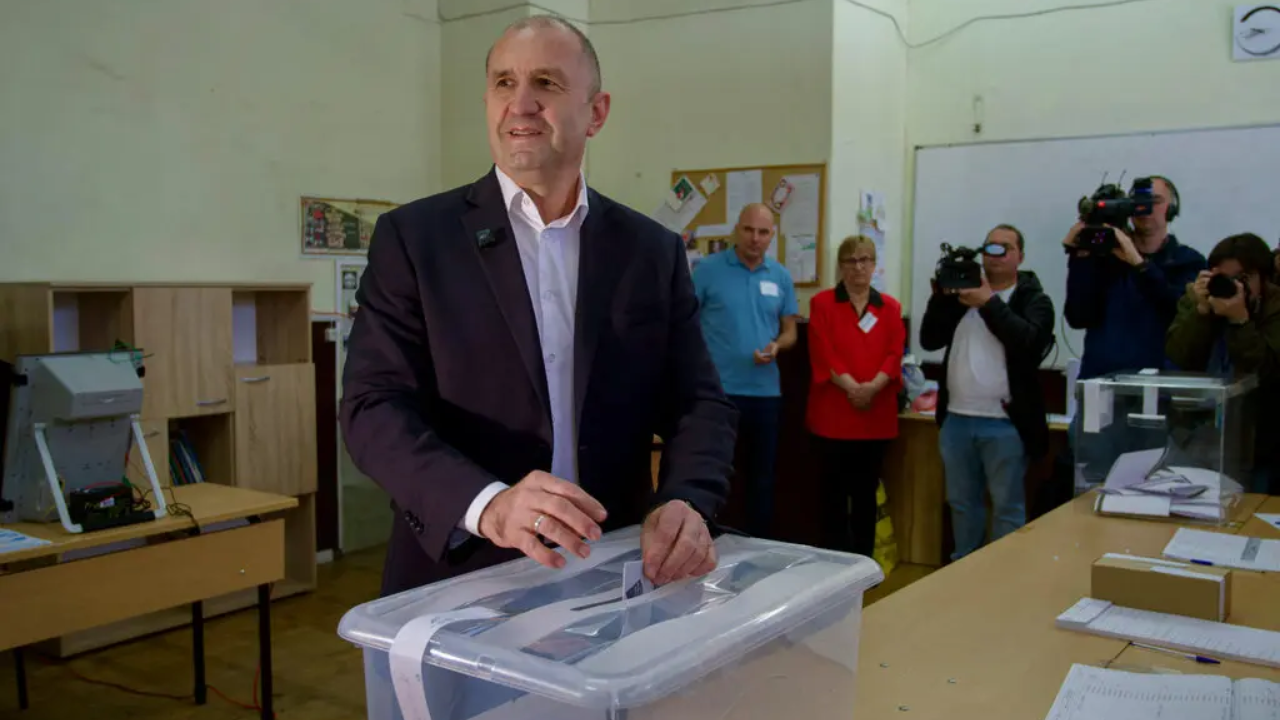
Bulgaria’s political deadlock may finally be over. Following the parliamentary elections on April 19, 2026, a weary electorate has handed a clear mandate to the newly formed Progressive Bulgaria (PB) coalition, led by former President Rumen Radev.
Thank you for reading this post, don't forget to subscribe!The Numbers: A Landslide Mandate
With nearly all ballots counted, the political map of Sofia has been redrawn:
| Party/Coalition | Projected Vote % | Estimated Seats (out of 240) |
| Progressive Bulgaria (PB) | 45% | 132 |
| GERB-SDS | 15% | 40 |
| PP-DB | 14% | 38 |
Key Drivers of the Election
- The “Radev Factor”: By resigning the presidency to lead a political movement, Radev successfully positioned himself as an outsider capable of dismantling systemic corruption.
- The December 2025 Catalyst: The resignation of the Zhelyazkov government amid mass protests over the budget and judicial stagnation set the stage for this “protest vote.”
- Voter Re-engagement: Turnout surged to 48%. While modest by global standards, it represents a massive rebound from the voter apathy that plagued recent years.
The Road Ahead: Stability vs. Diplomacy
While the win promises domestic legislative efficiency, it raises eyebrows in Brussels and Washington. Bulgaria entered the Eurozone and the Schengen Area in January 2026, yet Radev’s skeptical stance on EU energy policies and his resistance to military aid for Ukraine suggest a more nationalistic, “Bulgaria-first” approach to foreign policy.

"Suresh Kumar Saini is an experienced Tax Assistant and finance writer. He specializes in US & Canada Tax Guide, Indian Income Tax laws, GST compliance, and personal finance, helping freelancers and remote workers optimize their taxes."