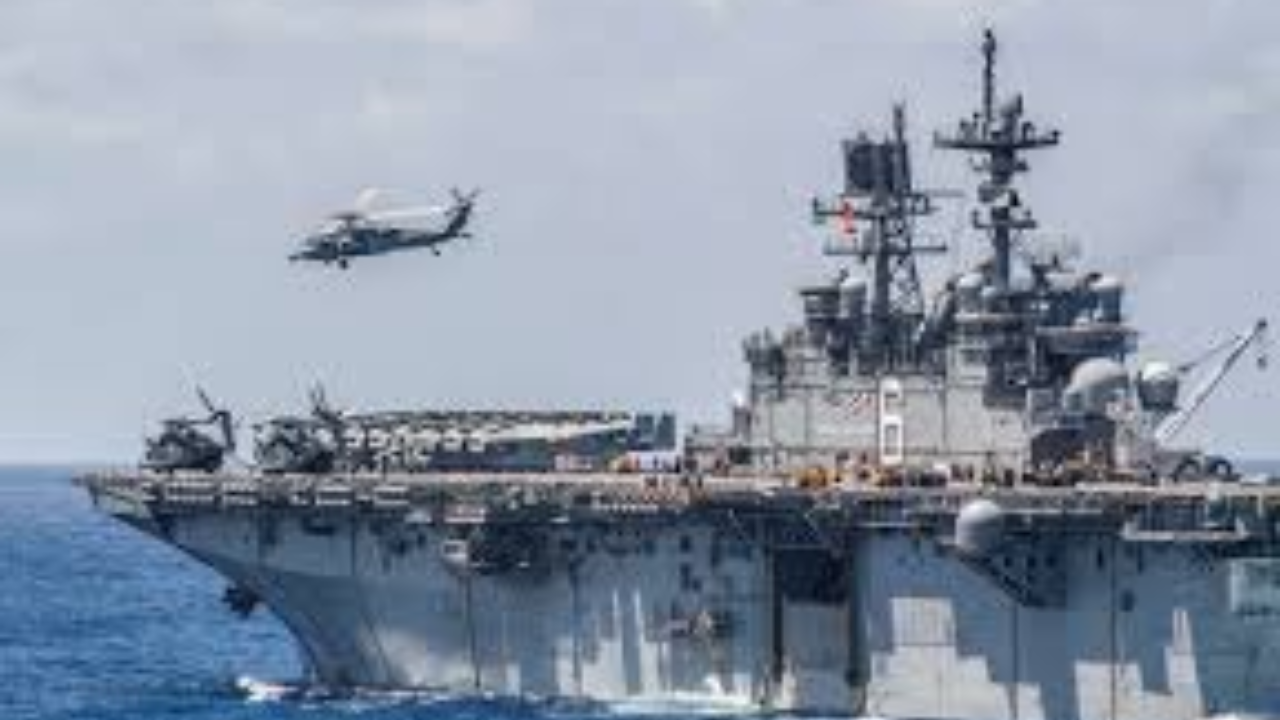
The U.S. naval blockade of Iranian ports isn’t just about starving Tehran of resources; it’s a high-stakes move to force Beijing to use its leverage. Here is why this strategy might actually work:
Thank you for reading this post, don't forget to subscribe!1. Eliminating the “Gray Market”
In previous years, China relied on “ghost fleets” and clandestine transfers to bypass sanctions. A physical naval blockade makes these workarounds impossible. If the tankers can’t leave the docks, China loses 1.4 million barrels of oil per day, forcing them to look for more expensive alternatives.
2. The Economic Breaking Point
- Allow the Iranian economy to collapse (and lose their 25-year strategic investment).
- Force Tehran back to the negotiating table to restore the flow of trade.
3. Stability Over Ideology
The Reality: Beijing is likely the only power that can convince Tehran to make concessions. The blockade essentially “outsources” the pressure, making Iran’s survival dependent on China’s willingness to mediate.
Key Pressure Points at a Glance
- Tehran’s Dilemma: Total loss of oil revenue vs. making a deal.
- Beijing’s Dilemma: High energy costs vs. pressuring a strategic ally.
- The Goal: A diplomatic breakthrough brokered by China to protect its own economic interests.