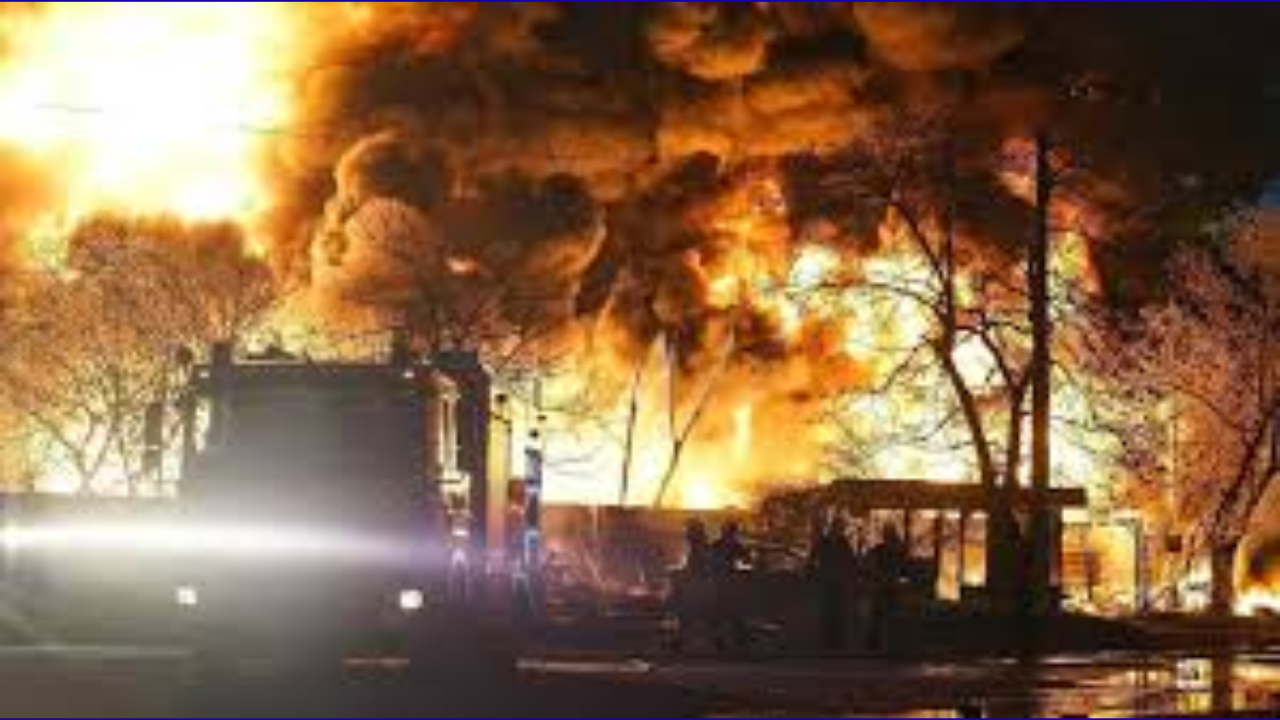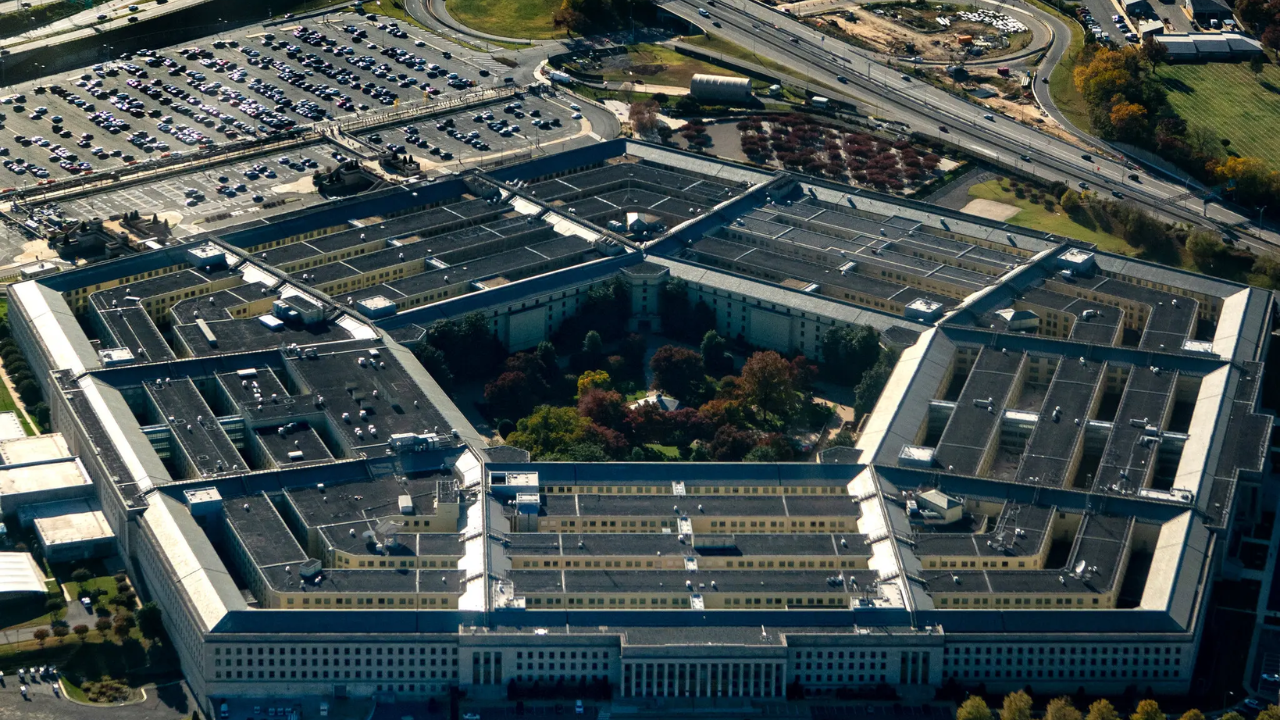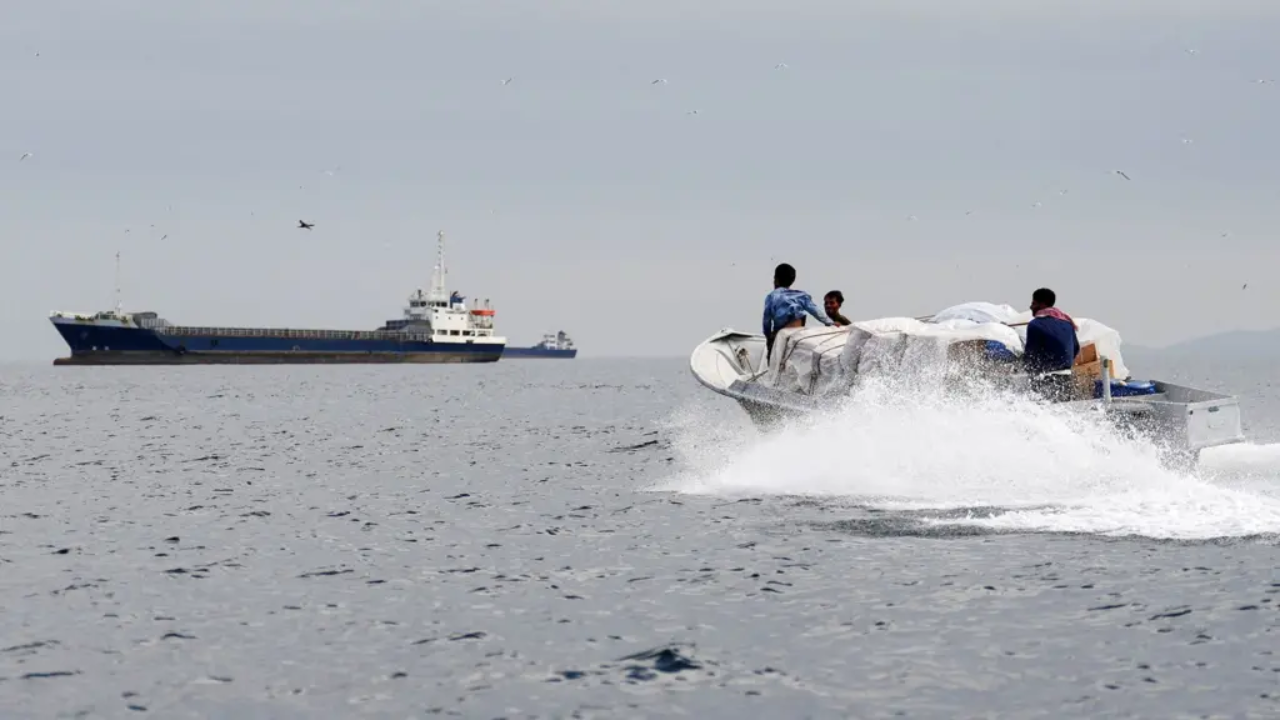
Implementing a naval blockade on Iranian ports represents a significant shift into more hazardous territory for the United States, carrying profound legal, military, and economic implications. While technically feasible, the operation is fraught with strategic challenges.
Thank you for reading this post, don't forget to subscribe!Tactical Realities: Avoiding the “Kill Zone”
- The Strategy: CENTCOM would utilize satellite intelligence and high-tech surveillance to track vessels leaving port.
- The Execution: Even if ships disable their transponders (AIS), U.S. warships positioned at a safe distance in the Gulf of Oman can intercept them once they reach open water.
The Cycle of Escalation
The diplomatic fallout of such a move is immediate and circular:
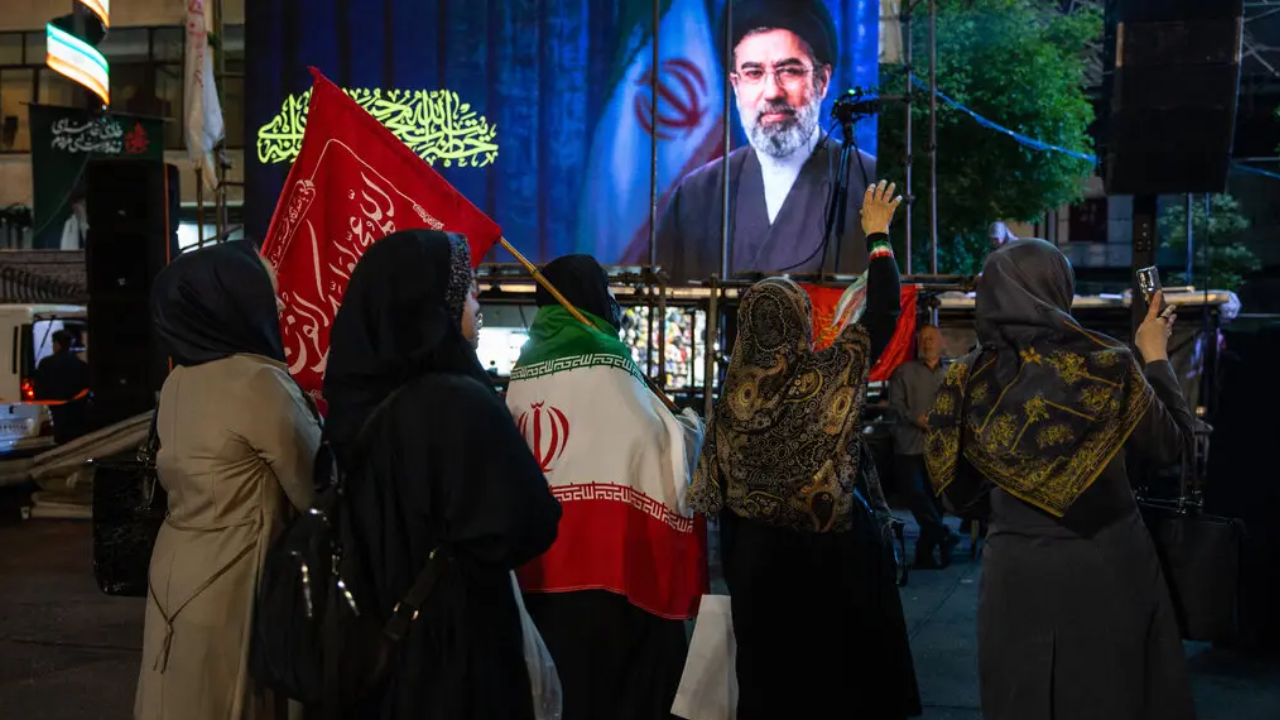
- Accusations of Piracy: Iran has labeled the blockade “maritime piracy”—the same charge often leveled at Iran for its interference in the Strait of Hormuz.
- Retaliatory Threats: In response, the Islamic Republic has threatened to target the ports of neighboring Gulf Arab nations, expanding the conflict’s geography.
The Global Superpower Factor
The most volatile variable involves Iran’s allies, specifically China and Russia:
- The Sovereignty Dilemma: The U.S. faces a massive diplomatic risk if it chooses to board or impound a Chinese-owned cargo vessel.
- Naval Confrontation: With a military base in nearby Djibouti, China could decide to provide armed naval escorts for its merchant ships. This forces the U.S. into a dangerous binary: allow the ships to pass, or risk a direct military engagement with another superpower.
Key Takeaway: While the U.S. possesses the hardware to enforce a blockade, the potential for a wider regional war or a direct confrontation with China makes this one of the most high-stakes maneuvers in modern geopolitics.