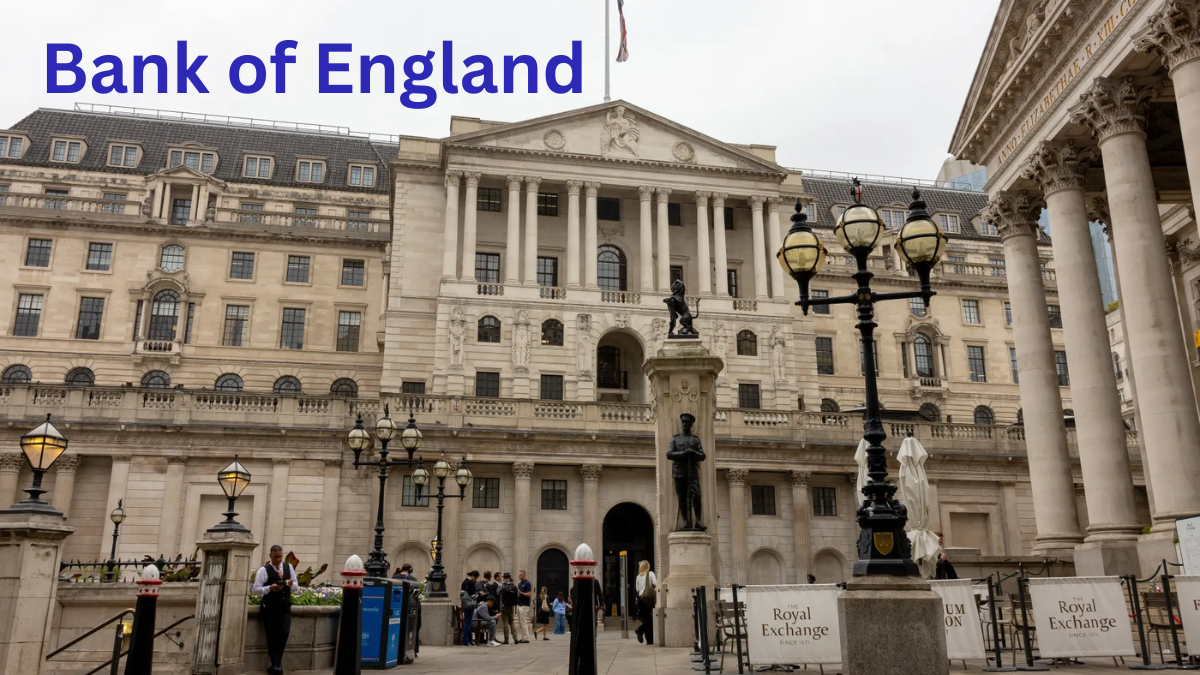
The escalating geopolitical conflict involving Iran has triggered a massive global energy shock and severe market volatility. For the Bank of England, this isn’t just a political crisis—it is directly sabotaging their strategy for Quantitative Tightening (QT), the process of selling off the massive bond portfolios built up during years of crisis money-printing.
Thank you for reading this post, don't forget to subscribe!To successfully pull billions of pounds out of the financial system, you need stable, highly liquid markets. The crisis undermines that stability through three critical channels:
1. The Stagflation Trap
The conflict has caused a massive supply-side shock, driving up oil and gas prices and threatening to push UK inflation well above the 2% target.
This leaves the BoE in a brutal catch-22. Normally, hot inflation calls for aggressive tightening. But because this inflation is driven by external energy costs rather than a booming domestic economy, dumping billions in government bonds (gilts) onto the market risks crushing a fragile economy. The Bank may be forced to slow down or pause bond sales to avoid triggering a deep recession.
2. A Massive Repo Market Unwind
Central banks don’t just sell bonds to average investors; they rely on hedge funds and institutional buyers. These funds usually buy gilts using leverage—borrowing against the bonds in the repo market.
When the crisis hit, panic rippled through global markets:
- The Margin Crunch: Lenders demanded higher margins, forcing a sudden £19 billion unwinding of leveraged borrowing in the UK gilt market.
- The Liquidity Drain: As hedge funds rapidly deleveraged, private demand for gilts evaporated.
The Bottom Line: If the private market doesn’t have the liquidity to absorb these bonds, the BoE cannot aggressively dump its own holdings without causing bond yields to spike, dangerously raising borrowing costs for the government, businesses, and mortgage holders.
3. The Banking Reserves Squeeze
Mechanically, when the central bank conducts QT, it destroys commercial bank reserves, draining cash out of the banking system.
Under normal conditions, commercial banks manage this smoothly. But during a geopolitical crisis, banks face massive volatility, unpredictable deposits, and sudden collateral demands on derivatives. Right now, banks need to hoard liquid cash as a safety buffer. Forcing QT in this environment starves the banking system of vital liquidity at the worst possible moment.
Summary
The Iran crisis has created a hostile environment for balance-sheet reduction. By choking off leveraged market liquidity, triggering stagflation risks, and squeezing bank reserves, the conflict has made it nearly impossible for the Bank of England to push forward with aggressive QT without risking financial instability.
It comes down to market stability and inflationhttps://taxassistant.org/chinese-banks-rein-in-retail-gold-trading/. Quantitative Tightening (QT) requires a calm, liquid financial environment where private investors (like pension funds and insurance companies) are willing to step in and buy the government bonds (gilts) that the Bank of England is selling.
When the Iran crisis escalated, it closed off key shipping routes like the Strait of Hormuz, triggering a massive energy shock and spiking global inflation pressures. This sudden spike in volatility made investors highly risk-averse. Instead of buying bonds, financial institutions focused on preserving cash. Trying to aggressively sell billions in gilts into a panicked market would cause bond prices to crash and yields to skyrocket, dangerously increasing borrowing costs across the UK economy.
Hedge funds are major players in the UK gilt market, accounting for roughly 30% of all transactions. They frequently use a strategy where they borrow money in the repo market to buy government debt, magnifying their returns using high leverage.
When the crisis sparked a global market sell-off, lenders became nervous and demanded more collateral (known as “margin calls”) or higher discounts (“haircuts”) on those loans. To meet these demands, hedge funds had to rapidly dismantle their trades—unwinding an estimated £19 billion in repo borrowing. Because these funds were forced to stop buying and start selling to raise cash, the natural private demand that the Bank of England relies on to absorb its QT bond sales completely evaporated.

"Suresh Kumar Saini is an experienced Tax Assistant and finance writer. He specializes in US & Canada Tax Guide, Indian Income Tax laws, GST compliance, and personal finance, helping freelancers and remote workers optimize their taxes."