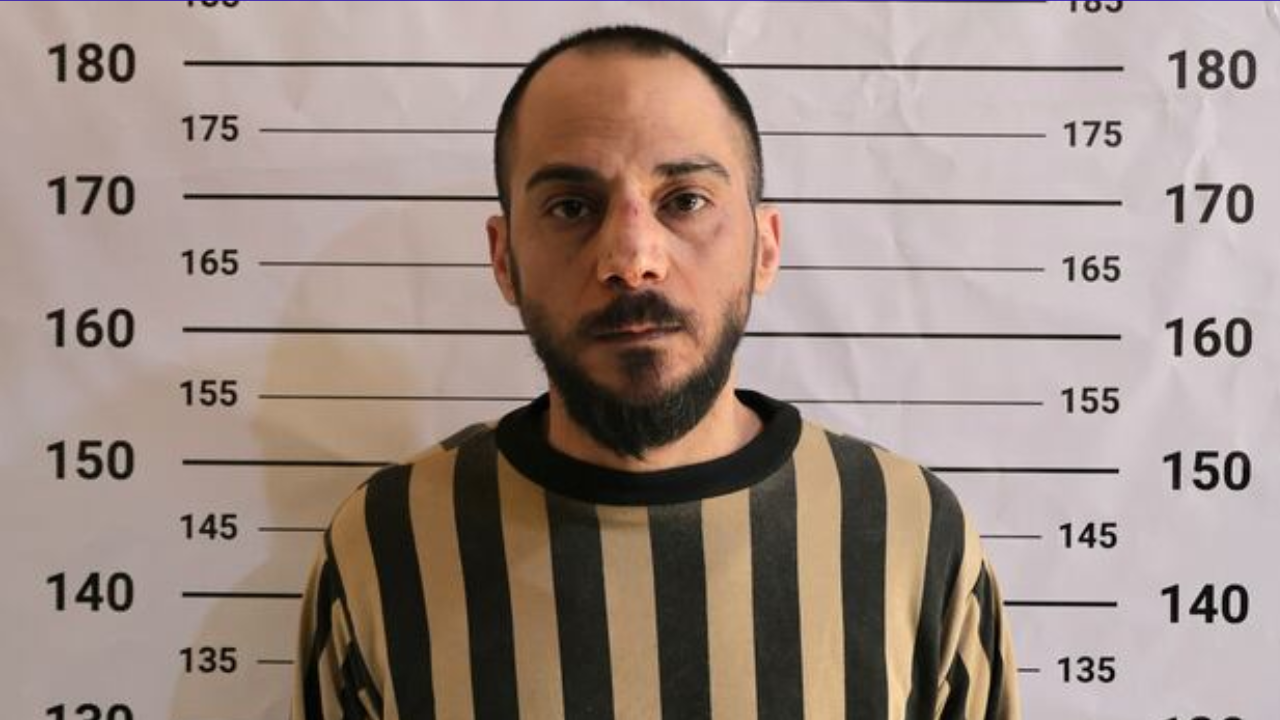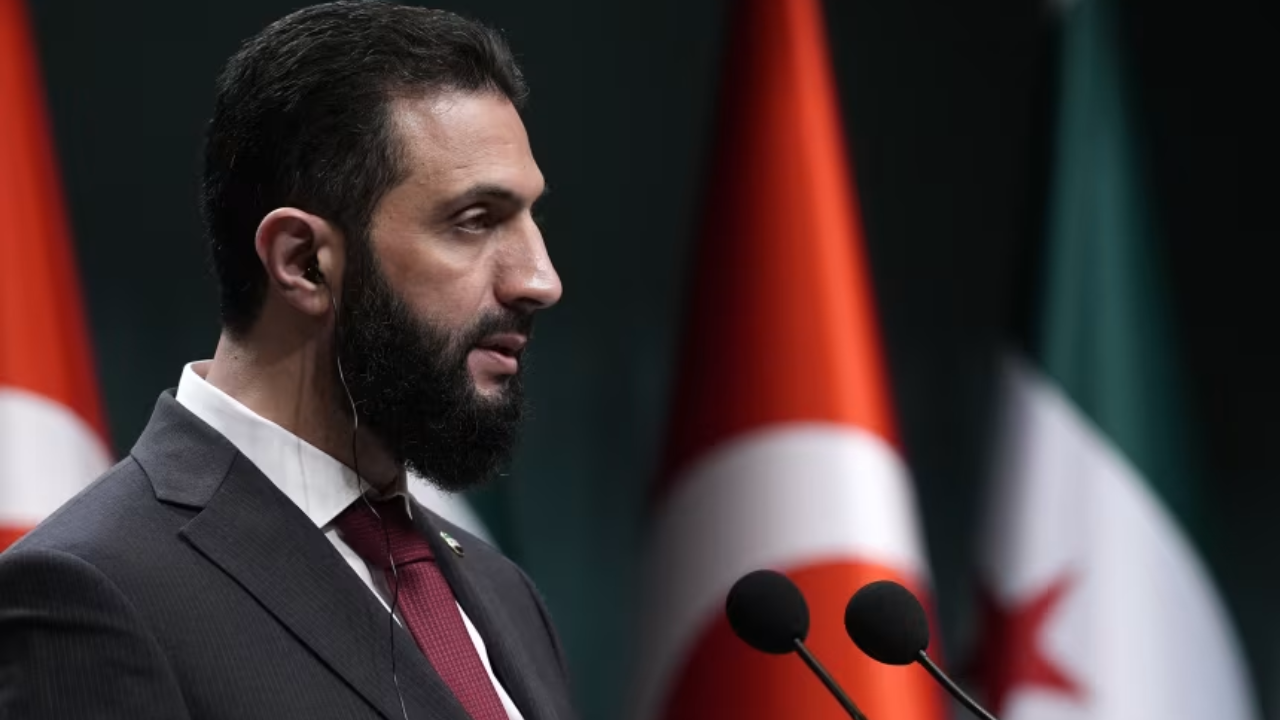
Ahmad al-Sharaa, Syria’s jihadist-turned-president, is capping his extraordinary political transformation from battlefield insurgent to global statesman with a historic visit to the White House. This unprecedented encounter says as much about the young leader’s strategic ambition as it does about his country’s diplomatic reinvention.
Thank you for reading this post, don't forget to subscribe!Less than a year after his lightning power grab—an offensive that swiftly toppled the 53-year Assad dynasty—Al-Sharaa is now meeting the US Commander-in-Chief on American soil. This Monday meeting marks the first-ever White House visit by a Syrian head of state and his 20th foreign trip since he appointed himself president in January.
From American Foe to Diplomatic Partner
The transformation is profound. In his early twenties, Al-Sharaa joined Islamist insurgents battling US forces in Iraq. He was captured, released, and later established an Al-Qaeda-backed rebel army to fight Bashar Al-Assad. Now, he’s shaking hands with the country he once fought.
- The US Shift: The warming ties began in May after a meeting brokered by Saudi Arabia. US President Donald Trump hailed the 43-year-old as a “young, attractive guy” with a “very strong past,” and ordered the lifting of some US sanctions.
- The Stakes: Al-Sharaa’s immediate goal is to press Washington for the full removal of crippling sanctions and urge President Trump to pressure Israel to halt attacks and withdraw troops from southern Syria. His broader objective is to reverse Syria’s isolation and heal an economy devastated by conflict and shackled by the previous regime’s narrow alliances.
Balancing East and West
Despite his clear westward outlook and the “diplomatic charm offensive” he’s conducting globally, Al-Sharaa must navigate the deep-seated legacy of the Assad regime, which was firmly aligned with Russia and Iran.
- The Russia Factor: The Russians, whose intervention in 2015 kept Assad in power, maintain their strategic Mediterranean naval base in Tartus. Al-Sharaa has been careful not to antagonize Moscow, telling CBS’ “60 Minutes” that engaging in a conflict with Russia would be “too costly.”
- The US Gamble: Bolstered by lobbying from US allies like Saudi Arabia and Turkey, the US sees Al-Sharaa as a strategic, albeit risky, partner. Experts like Joshua Landis note the US has “no alternatives” as neighboring Lebanon spirals into instability and Iraq remains a “fertile ground for pro-Iranian militias.”
The visit carries profound symbolic weight, signaling Syria’s shift toward a balanced, non-aligned foreign policy in an increasingly polarized world, a stance now adopted by several developing nations.