SpaceX just pushed the boundaries of space exploration yet again. On Friday, May 22, 2026, the aerospace giant successfully launched its next-generation Starship Version 3 (V3) in a historic debut flight from the newly minted Pad 2 at Starbase in Boca Chica, Texas.
Thank you for reading this post, don't forget to subscribe!While this was the 12th uncrewed test flight for the broader Starship program, it marked the very first outing for this heavily overhauled, ultra-powerful V3 architecture.
Bigger, Lighter, Faster: What’s New with V3?
The Starship V3 is the largest, most ambitious iteration of the rocket SpaceX has ever built. Key upgrades tested during this flight include:
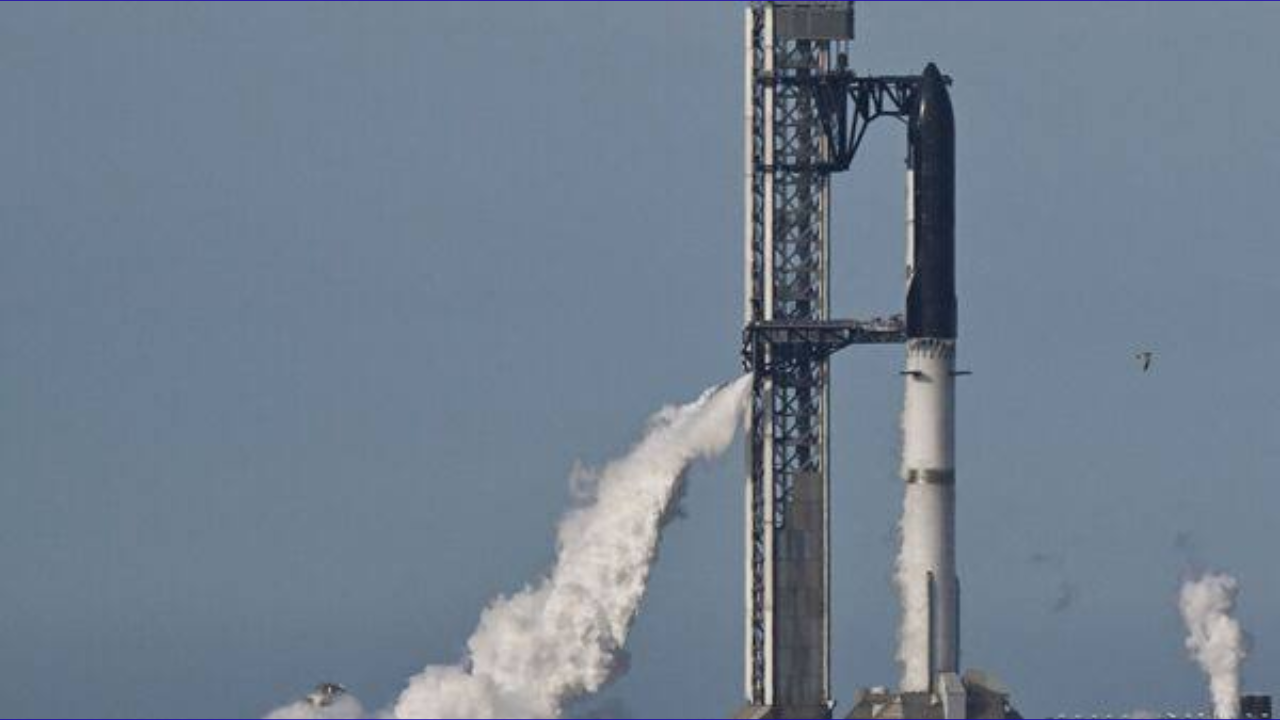
- Extra Height: The integrated stack now towers at a staggering 124 meters (407 feet), making room for significantly increased propellant capacity.
- Next-Gen Propulsion: This flight marked the operational debut of the Raptor 3 engines. Lighter and more powerful than previous versions, the 33 engines on the Super Heavy booster combined to unleash roughly 18 million pounds of raw thrust.
- Upgraded Hardware: The Super Heavy booster features more robust grid fins for atmospheric steering. Additionally, it now sports a massive main fuel transfer line—about the width of an entire Falcon 9 booster—designed to facilitate future ship-to-ship orbital refueling.
Flight Breakdown: Triumphs and Anomalies
The hour-long suborbital mission checked off almost all of SpaceX’s core engineering goals, providing invaluable data despite a few hardware hiccups.
| Phase | Outcome | Key Details |
| Liftoff & Ascent | Success | All 33 Raptor 3 engines ignited perfectly. One engine shut down early during ascent, but built-in redundancy kept the rocket on track. Hot-staging was executed flawlessly. |
| Booster Recovery | Partial Success | The Super Heavy booster performed a boostback burn toward the Gulf of Mexico. However, it failed to relight all necessary engines for its final braking sequence, resulting in a hard splashdown. |
| Payload Milestones | Success | While coasting at an altitude of 120 miles (193 km), Starship deployed 20 mock Starlink simulators alongside two active, modified Starlink satellites. These satellites captured stunning, high-res exterior footage of Starship in deep space. |
| Re-entry & Splashdown | Success | To stress-test the vehicle, engineers intentionally removed one heat tile and painted others white. After executing extreme banking maneuvers to test the rear flaps, Starship successfully flipped vertical, fired its engines, and splashed down precisely in the Indian Ocean before breaking apart. |
The Big Picture
This launch carries massive implications for the future of space travel and SpaceX as a company:
The Commercial Angle: This successful test comes right on the heels of Elon Musk’s announcement to take SpaceX public. The smooth flight of V3 directly boosts investor confidence ahead of a historic IPO targeting a staggering $1.75 trillion valuation.
Furthermore, the milestone keeps SpaceX firmly on schedule for NASA’s Artemis program, which relies on a modified Starship variant to land the next generation of astronauts on the Moon.