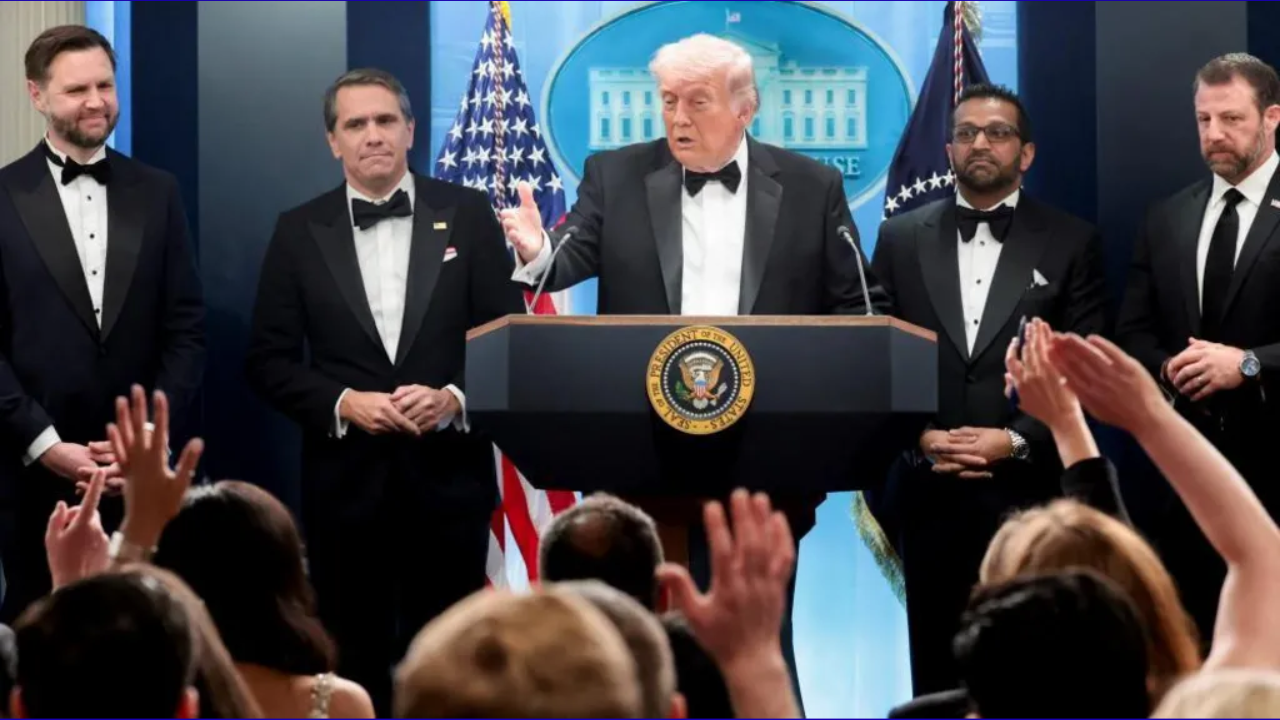
The United States has proposed a substantial $686 million technology upgrade for Pakistan’s F-16 fighter jet fleet, a move that is expected to significantly enhance the aircraft’s capabilities and operational lifespan. The proposal, notified to Congress by the Trump administration, is now subject to a 30-day review.
Thank you for reading this post, don't forget to subscribe!Key Details of the Upgrade Package
The comprehensive package, approved by the US Defense Security Cooperation Agency (DSCA), focuses on modernizing Pakistan’s existing Block-52 and Mid-Life Upgrade (MLU) F-16s.
| Component Category | Key Items & Purpose | Value Note |
| Major Defense Equipment (MDE) | 92 Link-16 Data Link Systems: Secure, jam-resistant digital network for real-time battlefield coordination with US and allied forces. | $37 million |
| Six Mk-82 Inert Bombs: Non-explosive units for integration and release testing. | ||
| Non-MDE Support | Advanced avionics updates, cryptographic gear (appliques), IFF (Identification Friend or Foe) equipment, mission-planning systems, training, and full logistical support. | $649 million |
Principal Contractor: Lockheed Martin of Fort Worth, Texas.
US Rationale and Regional Implications
The US administration justified the sale with two main objectives:
- Extended Fleet Life: The overhaul will address critical flight safety issues and extend the F-16s’ operational life through 2040.
- Interoperability: It aims to maintain the fleet’s compatibility with US and allied forces for ongoing counterterrorism operations.
Crucially, the administration stressed that the sale “will not alter the basic military balance in the region,” a statement intended to mitigate India’s longstanding concerns over US military aid to Pakistan. India is reported to be keeping a close watch on the developments.
Congressional Review
The $686 million proposal, which includes advanced avionics and cryptographic equipment, now faces a 30-day scrutiny period by Congress. While similar arms transfers have often generated debate, they have typically moved forward without formal resolutions of disapproval in recent years.