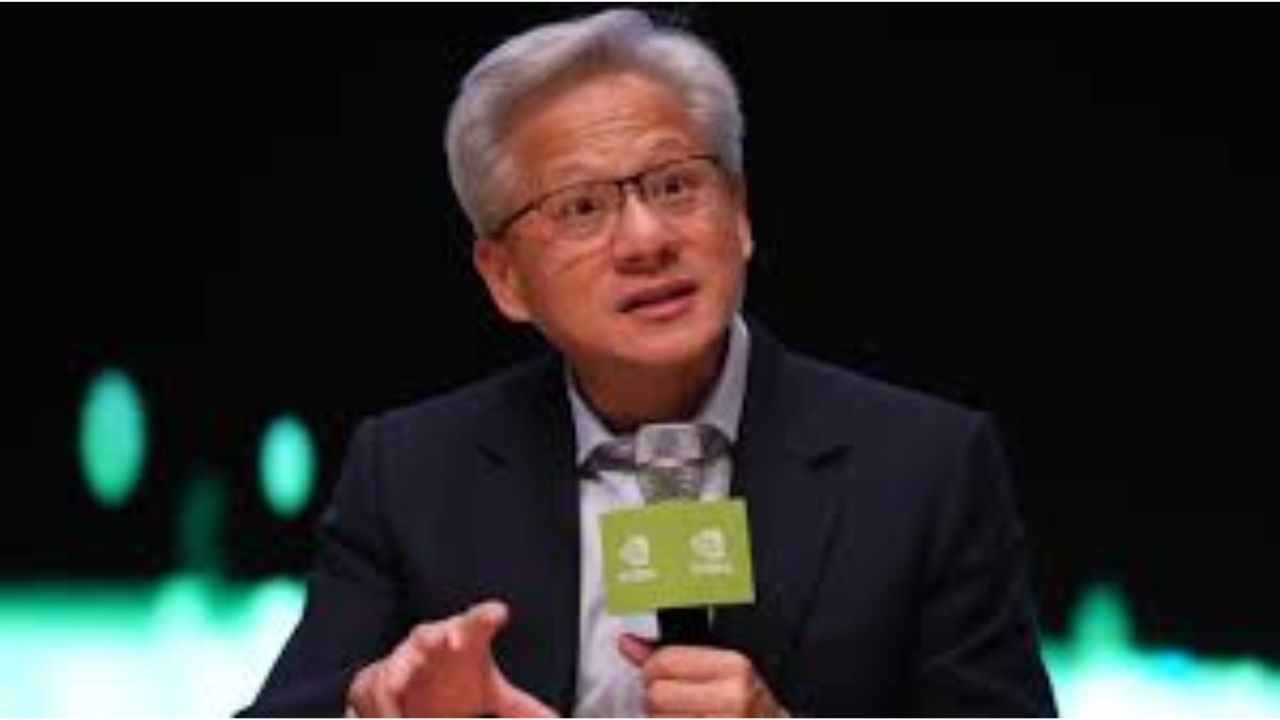
Nvidia CEO Jensen Huang met with President Trump on Wednesday to discuss the contentious issue of export controls on advanced AI chips, a critical technology driving the current artificial intelligence boom.
Thank you for reading this post, don't forget to subscribe!Huang’s meeting comes as he successfully lobbies against a legislative measure that would have restricted the company’s foreign sales.
The Legislative Fight: GAIN AI Act
- The Proposal: The Guaranteeing Access and Innovation for National Artificial Intelligence (GAIN AI) Act aimed to compel chipmakers to prioritize sales to U.S. companies before selling advanced chips to China. It was initially passed by the Senate as part of the annual defense bill (NDAA).
- Nvidia’s Stance: Huang openly opposed the measure, calling it detrimental to the United States. Following his lobbying efforts and reported resistance from the Trump White House, the GAIN AI Act is now considered unlikely to be included in the final version of the NDAA.
Looming Sales and Congressional Pushback
The central tension remains Nvidia’s desire to sell its high-end chips in the massive Chinese market, while U.S. lawmakers fear this technology will enhance China’s military capabilities.
- Potential H200 Sales: The Trump administration is reportedly considering allowing Nvidia to sell its H200 chips to China.
- Lawmaker Concerns: This possibility drew immediate criticism from lawmakers, including Senators Elizabeth Warren and Andy Kim. They wrote to Commerce Secretary Howard Lutnick, urging him to stop “cutting deals” that compromise national security by giving Beijing access to chips that could power its surveillance, censorship, and military applications.
The Political Divide
The issue has highlighted a clear political split:
| Faction | Viewpoint | Key Actions/Statements |
| Nvidia/CEO Huang | Argues that overly restrictive controls damage U.S. competitiveness and the ability to fund R&D. | Successfully lobbied against the GAIN AI Act; expressed hope of selling advanced chips to China. |
| Senate Republicans (led by Tim Scott) | Focus on balancing strong export controls with fostering domestic innovation and market access. | Met with Huang to discuss AI’s growth and impact on the financial system, emphasizing keeping America competitive. |
| Senate Democrats (led by Elizabeth Warren) | Prioritize national security, fearing advanced chips will bolster China’s military. | Slammed Huang for “sneaking in to meet with Senate Republicans behind closed doors” and demanded he testify publicly about his lobbying against the GAIN AI Act. |
In short, while Nvidia continues to navigate the tightrope between the world’s two largest economies, the company appears to have temporarily defeated a major legislative threat to its sales in China.