The public inquiry into the 2023 Nottingham attacks has uncovered a series of “errors, omissions, and misjudgments” regarding the care—or lack thereof—of Valdo Calocane. Recent findings from the Nottingham Inquiry (May 2026) and the Care Quality Commission (CQC) highlight systemic failures in the months leading up to the tragedy.
Thank you for reading this post, don't forget to subscribe!1. Disregard for Family Warnings
The inquiry heard that Calocane’s mother and brother repeatedly alerted the Nottinghamshire Healthcare NHS Foundation Trust to his deteriorating mental state. Despite these warnings:
- Ignored Intelligence: Clinicians failed to consistently act on the specific concerns raised by the family.
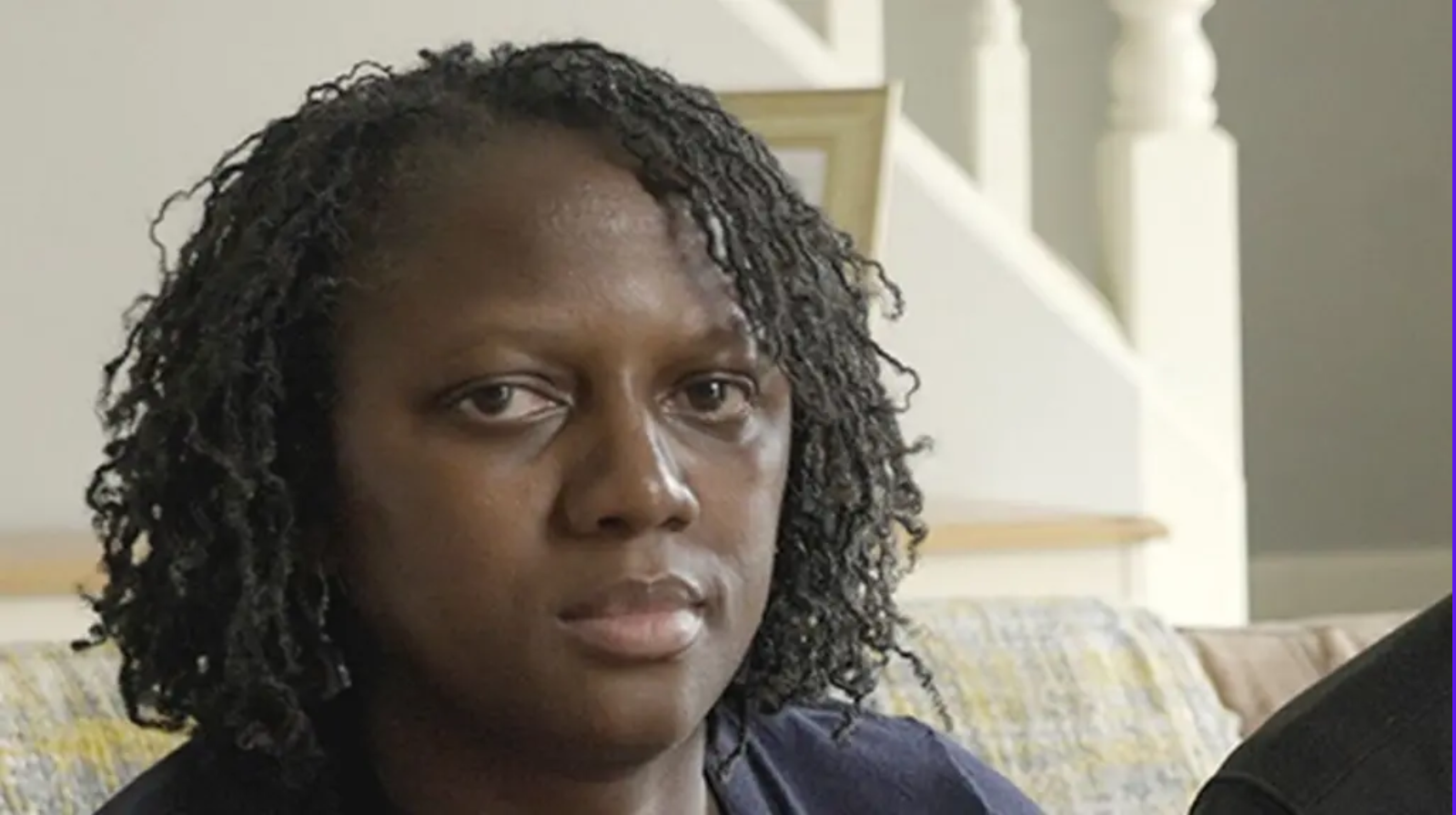
- Systemic Powerlessness: Calocane’s brother, Elias, testified that he felt “powerless,” stating that the system seemed to operate on the belief that “unless something happens, nothing changes.”
2. A Fatal Discharge
In September 2022, just nine months before the attacks, Calocane was discharged from secondary mental health services to the care of his GP.
- The “Non-Engagement” Trap: The discharge wasn’t based on clinical improvement, but rather because Calocane stopped engaging with the Early Intervention in Psychosis (EIP) team.
- Predictable Relapse: Experts testified that given his history of refusing medication, a relapse into aggressive behavior was “beyond any real doubt” once professional supervision was removed.
3. Missed Clinical Interventions
The inquiry scrutinized why Calocane was never treated under Section 3 of the Mental Health Act.
- Section 2 vs. Section 3: While Section 2 is for assessment, Section 3 would have allowed doctors to mandate long-acting injectable medication or implement a Community Treatment Order.
- The Result: By remaining on Section 2, there were fewer legal mechanisms to ensure he stayed medicated once he was back in the community.
4. Complexity in Assessment
A significant revelation involved the decision-making process during Calocane’s 2020 admission. Professionals reportedly opted against detention in part because they were mindful of the over-representation of young Black men in the mental health system. They chose a “less restrictive” community path, which Calocane ultimately abandoned.
The Goal of the Inquiry
Chaired by Sir Adrian Fulford, the inquiry is investigating whether the deaths of Barnaby Webber, Grace O’Malley-Kumar, and Ian Coates were preventable. For the victims’ families, these hearings represent a long-awaited look into what they describe as “systemic neglect” across the NHS and police services.
"Suresh Kumar Saini is an experienced Tax Assistant and finance writer. He specializes in US & Canada Tax Guide, Indian Income Tax laws, GST compliance, and personal finance, helping freelancers and remote workers optimize their taxes."