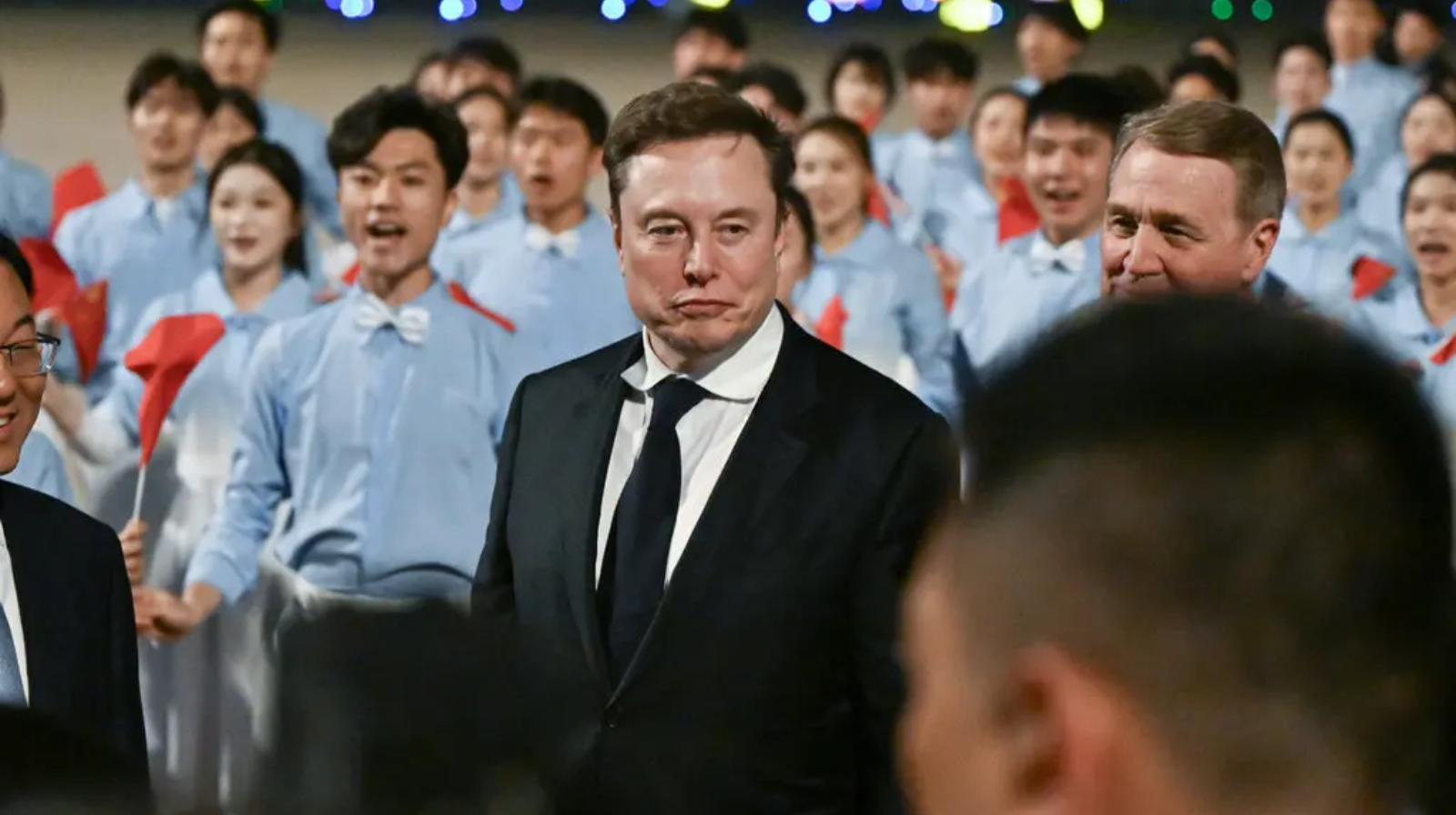
President Trump arrived in Beijing on Wednesday, May 13, 2026, for a critical summit with President Xi Jinping. He is supported by a heavy-hitting delegation of cabinet members and tech titans, signaling a focus on both high-level diplomacy and industrial trade.
Here is the breakdown of the figures you mentioned and other key attendees:
High-Profile Cabinet & Advisors
- Marco Rubio (Secretary of State): His arrival marks a historic diplomatic shift. Previously sanctioned by Beijing, a diplomatic compromise—reportedly involving a specific transliteration of his name—cleared the way for him to lead these high-level negotiations.
- Pete Hegseth (Secretary of War): Hegseth is the first U.S. defense chief to visit China in nearly eight years. His presence marks the first time a sitting Secretary of War has accompanied a president on a state visit to Beijing in decades.
- Elon Musk: Joining as a prominent member of the business delegation, Musk’s role as a key administration advisor and his deep manufacturing ties in China make him a central figure in discussions regarding tech and AI.
The Broader Delegation
The President is also accompanied by a mix of economic strategists and the CEOs of America’s most influential companies:
- Administration Officials: Scott Bessent (Treasury), Jamieson Greer (Trade Representative), and Stephen Miller (Deputy Chief of Staff).
- Business Icons: The delegation includes Tim Cook (Apple), Jensen Huang (Nvidia), Larry Fink (BlackRock), and Kelly Ortberg (Boeing).
- Family: Eric and Lara Trump are traveling with the group; however, First Lady Melania Trump did not make the trip.
Why This Trip Matters
This summit is being closely watched globally, as the agenda is packed with volatile topics:
- Trade & Tariffs: New frameworks for economic competition.
- Geopolitics: Addressing the escalating conflict involving Iran.
- Technology: Setting boundaries on AI development and semiconductor supply chains.

Suresh holds a Master of Commerce (M.Com) degree and is a dedicated personal finance researcher and writer. Combining his advanced academic background in commerce with deep industry research, he covers complex topics like taxation, banking systems, credit analysis, and personal finance strategies. As the founder of Tax Assistant (taxassistant.org), Suresh is committed to translating complicated financial guidelines and economic data into simple, accurate, and actionable educational resources for everyday readers.