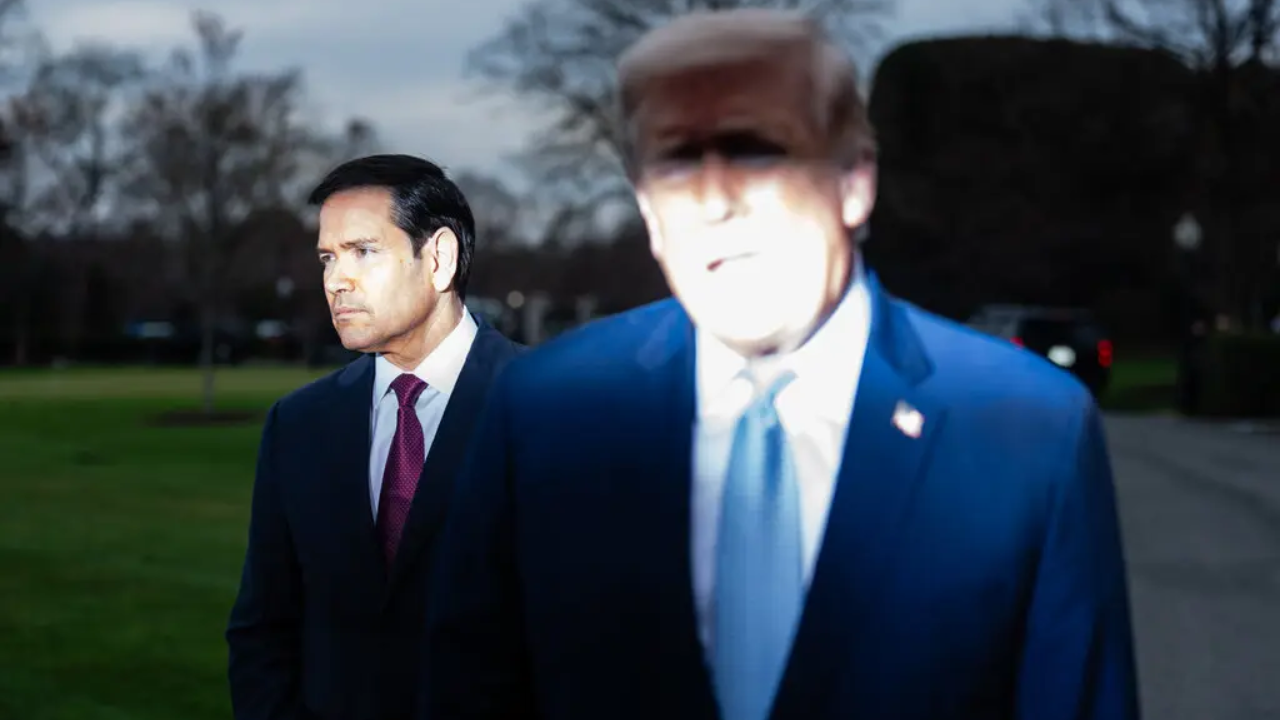
The notable absence of Secretary of State Marco Rubio from recent high-level negotiations with Iran marks a distinct shift in U.S. diplomatic architecture. While the Secretary of State is traditionally the face of major international breakthroughs, Rubio has largely remained in Washington during the latest rounds of talks, signaling a specialized “good cop, bad cop” strategy within the administration.
A Change in the Diplomatic Guard
- The Lead Negotiators: The heavy lifting in face-to-face meetings has been delegated to Special Envoys Steve Witkoff and Jared Kushner, who report directly to the President.
- The Departure from Norms: This breaks from the precedent set by predecessors like John Kerry, who spent months abroad personally hammering out the details of the JCPOA.
- The “Stay-at-Home” Pattern: This isn’t an isolated incident; Rubio has similarly maintained a Washington-centric presence during recent high-stakes summits regarding Ukraine and the Middle East.
Rubio as the “Strategic Enforcer”
- Projecting Strength: From Washington, Rubio maintains a hardline stance. His recent rhetoric—emphasizing that U.S. military objectives against Iranian infrastructure could be met in “weeks, not months”—serves as the “iron fist” backing the envoys’ diplomacy.
- Managing the G7: Rubio has focused on the “defensive” side of the ledger, coordinating with G7 allies to ensure a unified front on regional security and the protection of the Strait of Hormuz.
- The Domestic Front: As a former Senator, Rubio remains a key bridge to Congress, ensuring that any potential “deal” has the political oxygen it needs to survive on Capitol Hill.
The “Dual-Track” Approach
The administration appears to be utilizing a dual-track system:
While personal envoys handle the “deal-making” and transactional compromises in the field, Secretary Rubio acts as the Enforcer of Red Lines, communicating the severe consequences that follow if diplomacy fails.
This division of labor keeps the Secretary of State’s hands clean of the messy, incremental concessions of the negotiating table, allowing him to maintain maximum leverage and a “bad cop” posture from the halls of the State Department.

Suresh holds a Master of Commerce (M.Com) degree and is a dedicated personal finance researcher and writer. Combining his advanced academic background in commerce with deep industry research, he covers complex topics like taxation, banking systems, credit analysis, and personal finance strategies. As the founder of Tax Assistant (taxassistant.org), Suresh is committed to translating complicated financial guidelines and economic data into simple, accurate, and actionable educational resources for everyday readers.