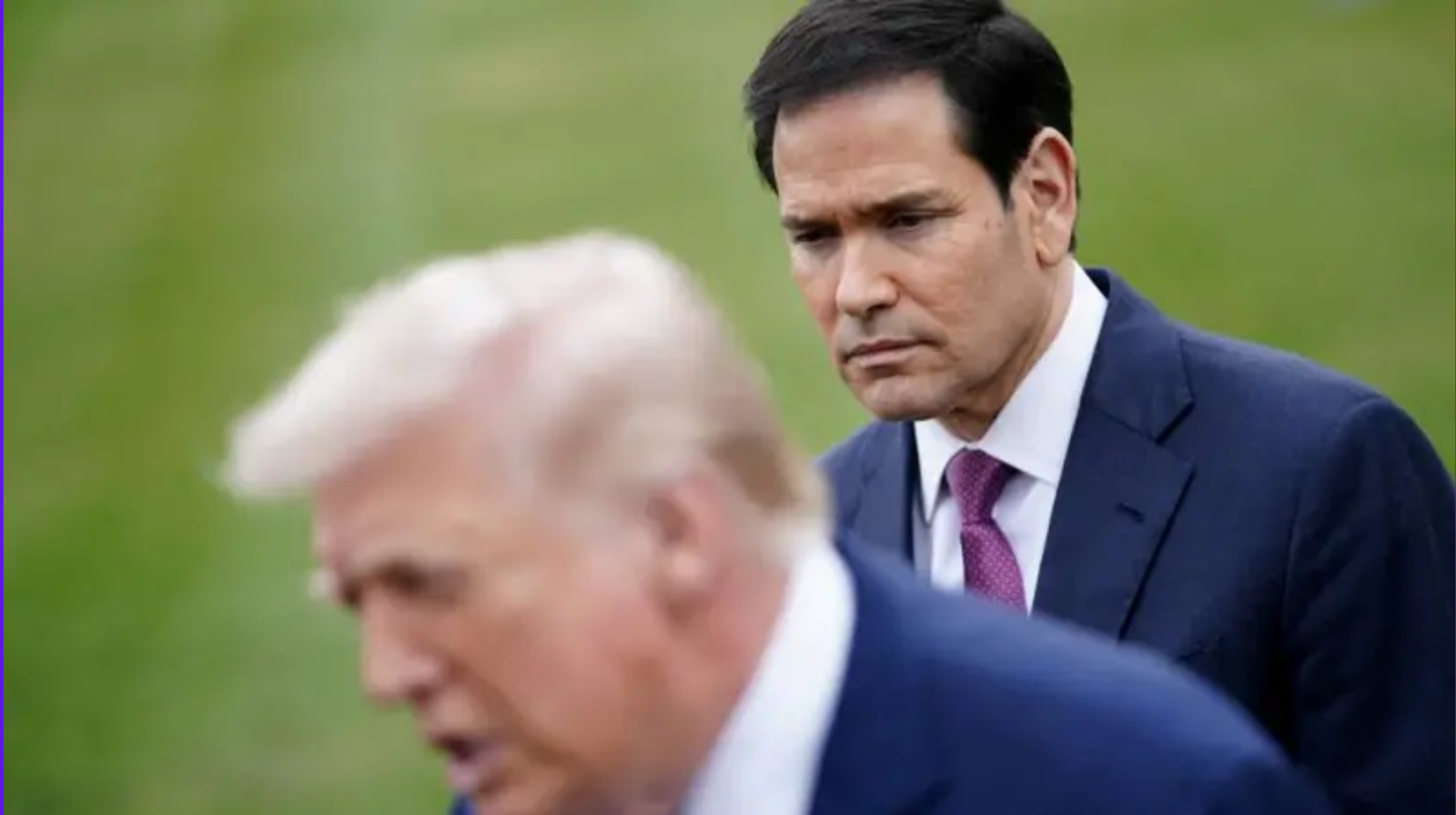
Secretary of State Marco Rubio has signaled a shift toward cautious diplomacy, confirming that while the U.S. is engaged in private talks with Iranian figures, there remains deep skepticism regarding who is actually in control.
Thank you for reading this post, don't forget to subscribe!Following the recent escalations and leadership voids in Tehran, the U.S. strategy is now focused on identifying which factions, if any, have the authority to make binding commitments.
Key Points of the U.S. Position
- The Authority Gap: Rubio emphasized that the U.S. is receiving “positive messages” in private. However, the critical hurdle is determining if these interlocutors will “end up being the ones in charge” or if they are simply sidelined by remaining hardliners.
- Internal Fractures: The State Department notes significant “fractures” within the 47-year-old regime. While there is hope that more “reasonable” figures will emerge, the U.S. remains wary of a regime that still employs “apocalyptic” rhetoric in its public messaging.
- Military vs. Diplomatic Goals: Despite the diplomatic outreach, the core military objective remains unchanged: the permanent dismantling of Iran’s nuclear, drone, and ballistic missile capabilities.
- A Measured Outlook: Unlike the more optimistic “regime change” declarations from the White House, Rubio warned that the U.S. must remain prepared for the high probability that these diplomatic efforts could fail.
Current Status

"Suresh Kumar Saini is an experienced Tax Assistant and finance writer. He specializes in US & Canada Tax Guide, Indian Income Tax laws, GST compliance, and personal finance, helping freelancers and remote workers optimize their taxes."