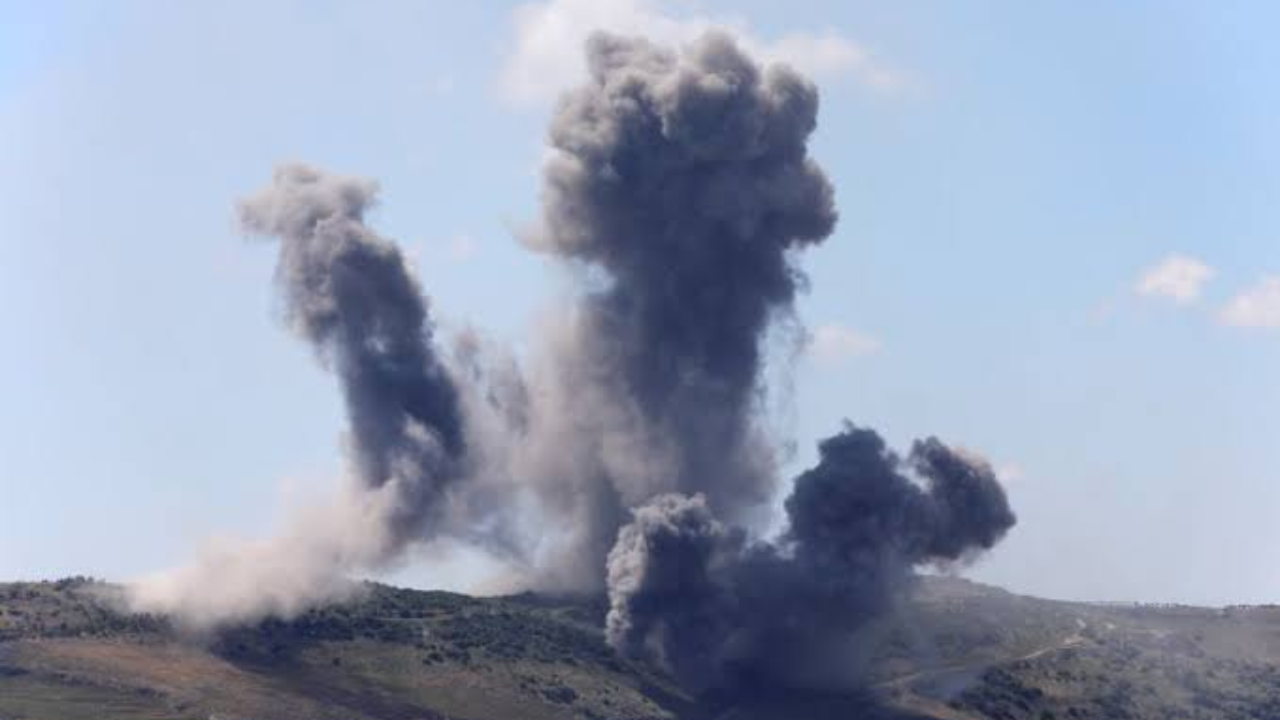
Israeli Prime Minister Benjamin Netanyahu has ordered a dramatic intensification of military operations against Hezbollah in Lebanon. This sharp escalation arrives at a critical diplomatic crossroads, threatening to derail active U.S.-Iran negotiations aimed at ending regional hostilities.
Thank you for reading this post, don't forget to subscribe!1. The Trigger: Un-Jammable Drone Attacks
The immediate catalyst for Israel’s escalation was a wave of sophisticated Hezbollah attacks utilizing fiber-optic drones. Borrowed from tactics seen in the Ukraine conflict, these drones resist standard electronic jamming. After strikes hit a northern Israeli border community and a school bus stop, Israel retaliated with over 70 rapid airstrikes across Tyre and the eastern Bekaa Valley.
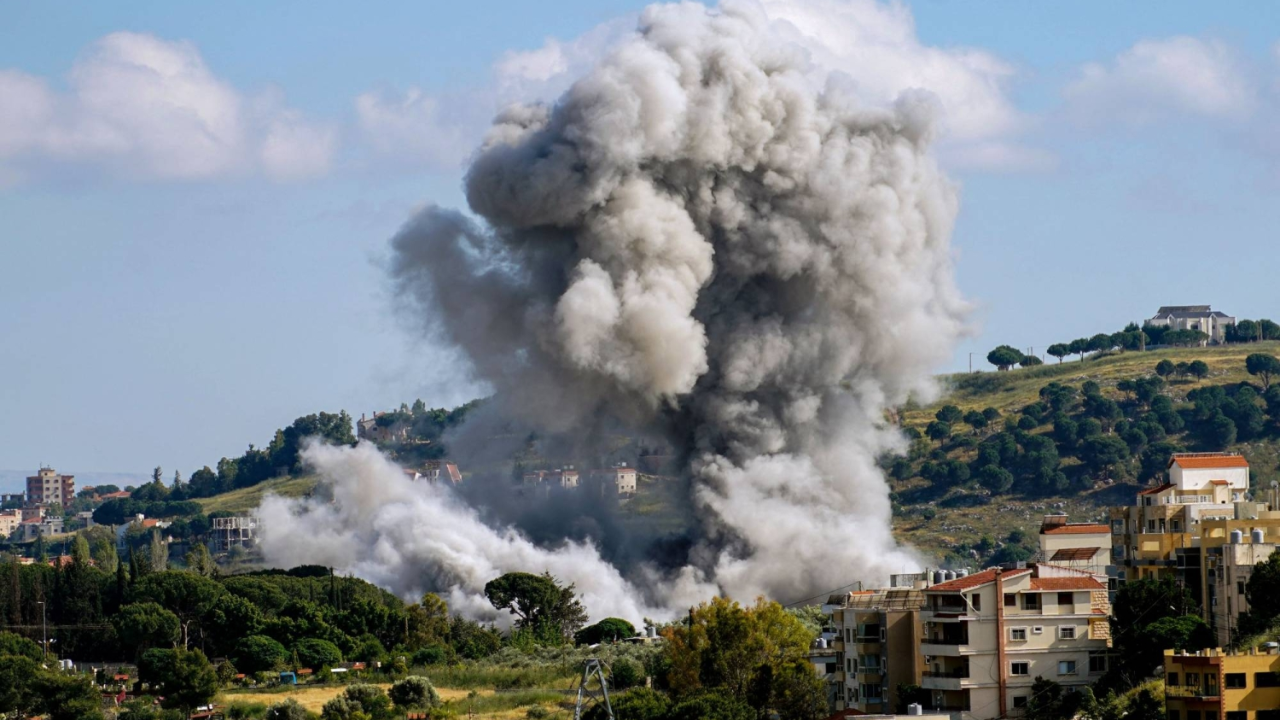
2. The Collapse of the April Ceasefire
The U.S.-brokered ceasefire implemented on April 17 is failing under near-constant violations:
- Hezbollah has launched over 1,000 drones and 700 rockets since the truce began, according to U.S. officials.
- Israel has maintained near-daily bombings, pushing the Lebanese death toll past 3,100 since early March.
3. High-Stakes U.S.–Iran Diplomacy
The battlefield surge is directly linked to secretive, high-stakes talks between Washington and Tehran:
- The Draft Deal: The proposed U.S.-Iran accord aims to permanently halt the Lebanese conflict and reopen the strategic Strait of Hormuz.
- Hezbollah’s Existential Threat: Direct, upcoming talks between the Lebanese government and Israel at the Pentagon threaten Hezbollah. A state-led peace would strip the militant group of its status as Lebanon’s sole “resistance force,” driving them to sabotage the peace process.
- Tehran’s Leverage: Iran has explicitly signaled to Hezbollah that a Lebanese ceasefire is a bargaining chip tied directly to its broader negotiations with the U.S.
4. Netanyahu’s Domestic Political Firestorm
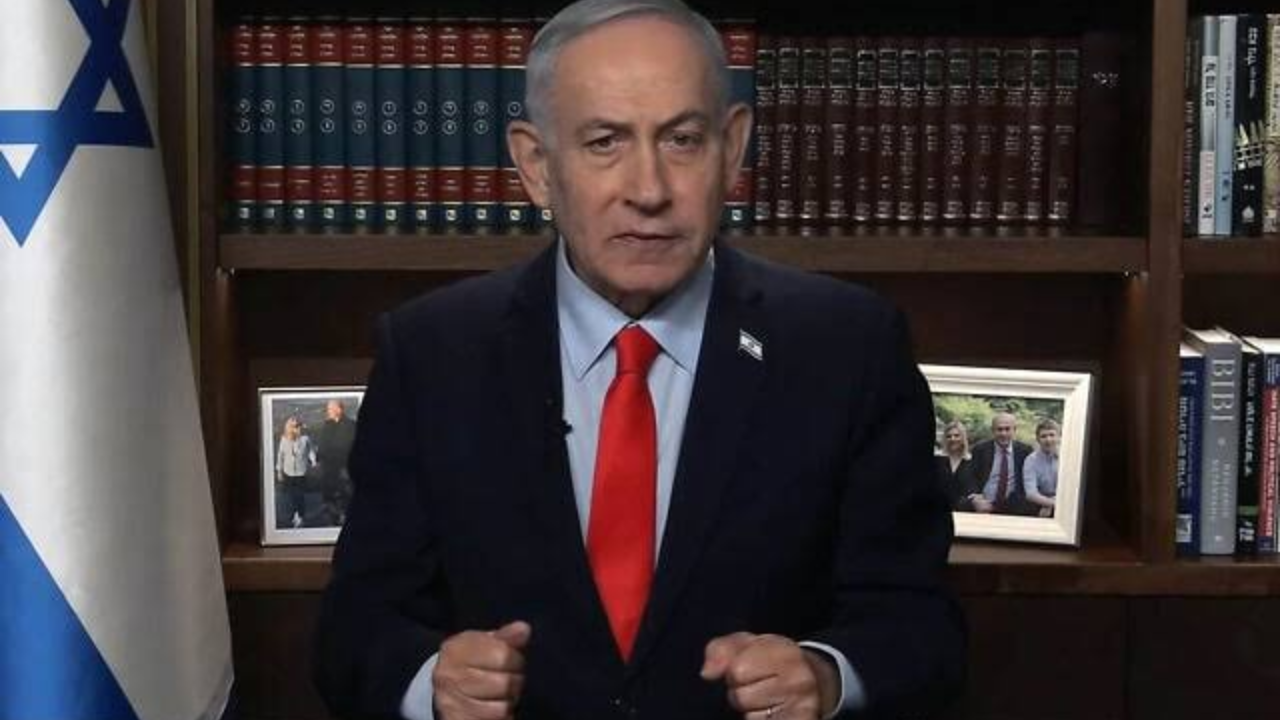
Netanyahu is facing intense internal pressure from far-right coalition ministers demanding total war:
- Itamar Ben-Gvir (National Security Minister) demanded an immediate return to “high-intensity warfare.”
- Bezalel Smotrich (Finance Minister) declared that “for every explosive drone, 10 buildings must fall in Beirut.”
While Israel has concentrated its latest strikes on southern and eastern Lebanon to prevent a total collapse of U.S. diplomatic efforts, panic is already spreading, prompting civilians to flee Beirut’s southern suburbs.
What’s Next: Israeli and Lebanese military delegations are still scheduled to meet at the Pentagon ahead of broader diplomatic rounds in early June. However, this escalating cycle of drone warfare and retaliatory airstrikes has placed the region on a knife-edge, risking a total collapse of the U.S.-Iran peace track.

"Suresh Kumar Saini is an experienced Tax Assistant and finance writer. He specializes in US & Canada Tax Guide, Indian Income Tax laws, GST compliance, and personal finance, helping freelancers and remote workers optimize their taxes."