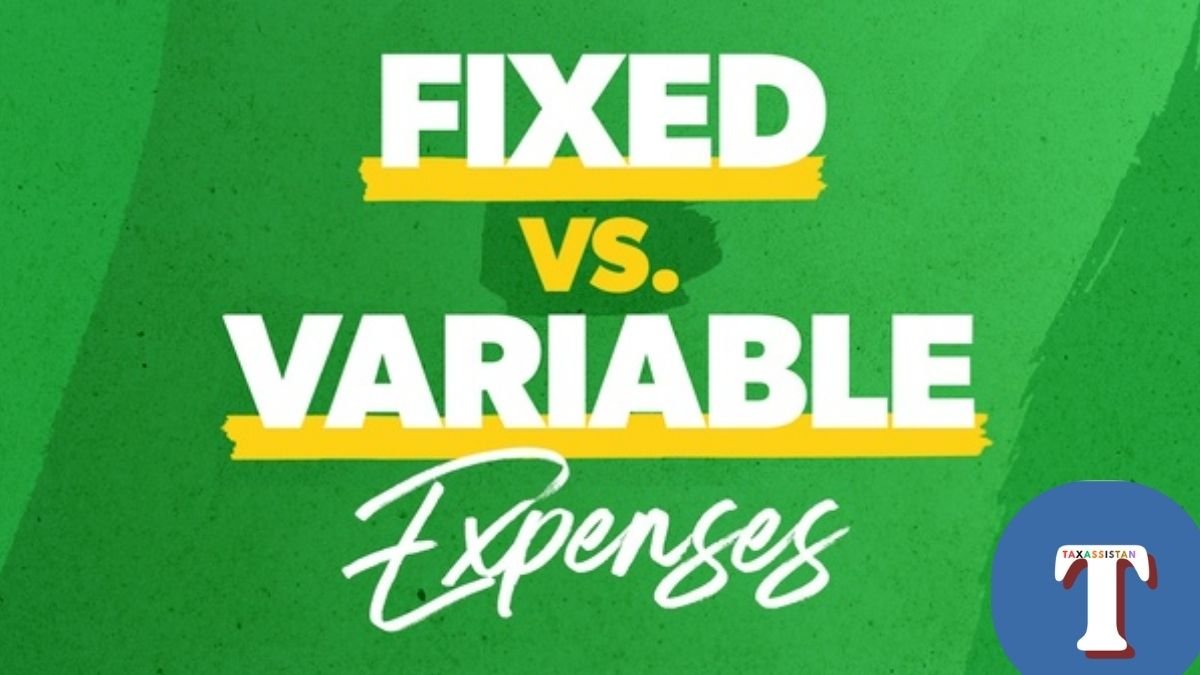
There are two types of monthly expenses you need to plan for when you create a budget: fixed and variable expenses. Fixed expenses tend to be easier to budget for because they stay the same from month to month. Variable expenses, on the other hand, may fluctuate each month and make budgeting more of a challenge.
Part of a successful budget is understanding fixed and variable expenses. This guide will help you understand these key terms, recognize the differences between these types of expenses, and learn how to plan for them.
What are fixed expenses?
Fixed expenses are financial obligations that remain roughly the same amount each time you pay them. These costs may include bills you pay monthly, quarterly, or annually.
In general, fixed expenses are the easiest types of expenses to plan for when you create a budget. It’s not uncommon for people to set fixed expenses up on autopay to make the budgeting process easier (and sometimes score an autopay discount, depending on the merchant or creditor).
It’s also worth noting that if a fixed expense is going to increase, you will often receive advance notice before the change takes place. For example, rent is a fixed expense; if your landlord plans to raise your rent when you renew your lease, they will typically send you notice of the pending rent hike (depending on the terms of your lease and state law).
What are variable expenses?
Variable expenses are financial obligations that tend to move up and down in cost within your budget. Because these expenses fluctuate, they can be more difficult to plan for in advance.
Even though variable expenses are inconsistent, you still need to account for these spending categories in your budget on a regular basis. Food costs, utilities, and vehicle maintenance are just a few examples of variable expenses that could be difficult to predict in advance but come up consistently.
Examples of fixed vs. variable expenses
As you create a household budget, it’s important to have a clear understanding of the differences between fixed expenses and variable expenses. This knowledge can help you plan ahead as you decide how to divide up your income each month and avoid overspending.
Below are common examples of both expense categories so you can learn how to tell the difference between fixed and variable costs.
| FIXED EXPENSES | VARIABLE EXPENSES |
| Mortgage or rent payments | Groceries |
| Utility bills (internet, security, etc.) | Dining out |
| Car loan payments | Utility bills (electricity, gas, water, etc.) |
| Student loan payments | Credit card payments |
| Personal loan payments | Home maintenance |
| Child care | Vehicle maintenance |
| Insurance premiums (health, car, homeowner’s, life, renters’, etc.) | Healthcare costs |
| Mobile phone service | Entertainment and hobbies |
| Subscriptions and memberships (television, music, gym, etc.) | Travel |
| Savings | Clothing and personal care |
Tips for budgeting fixed and variable expenses
Following a budget would probably be easier if every monthly expense was fixed. Unfortunately, that’s not the way personal finances work.
On a positive note, even though some of your monthly expenses may fluctuate, it’s still possible to create a financial plan that sets you up for success. Here are some tips you can use to plan ahead for both fixed and variable expenses.
Choose a budgeting strategy
When it comes to managing your money, you should understand that one size doesn’t fit all.
For example, some people may prefer the 50/30/20 method — a budgeting technique that has you break your monthly spending into three major categories (needs, wants, and savings/debt). A zero-based budget is another popular option to consider — one that gives every dollar you earn a job.
Whatever strategy you choose, starting with a plan can help you know what to do if and when expenses change.
Examine past spending habits
Another tip that can help you create a successful budget is to evaluate your past spending habits. No matter what budgeting method you choose, it’s important to know how you’ve been spending your money. This knowledge can help you map out the spending categories you need to set up in your new budget. It can also help you identify areas where you may need to cut back.
Track your spending
Once you establish a budget, it’s essential to track your spending. Accountability is crucial to make sure you stick with your new goals, especially where variable expenses are concerned.
For example, if you make a plan to spend $600 on groceries this month but fail to track your spending, it could be easy to go over that amount. A money management tool like Quicken’s Simplifi app can help you analyze past spending and set new budgeting targets. Or you could create your own budget in Excel or Google Docs.
Cut expenses
As you get comfortable with your budget, you may be able to find ways to save money on both fixed and variable expenses.
For example, if you have good credit, you might be able to consolidate high-interest debt with a balance transfer credit card or personal loan. Canceling unused subscriptions or finding creative ways to save on groceries could also be helpful. Or you might consider shopping around for better rates on some of your insurance premiums.
There are many possible ways to save on monthly expenses. And even if the savings are small, when you add them together with other bill reductions, they could add up significantly.
Hot tip: Tax assistant readers can try Simplifi free for 90 days. Act now!
Bottom line
You don’t need to be a financial expert to create a budget that helps you reach your financial goals. Understanding the difference between fixed and variable expenses can go a long way toward helping you manage your money so you can spend it on the things that matter most to you.
Look back at your spending over the past 3 to 6 months and calculate the monthly average for each variable category (like groceries or utilities). Use that average as your monthly budget target, or budget for the highest expected amount during peak months (such as higher utility bills in summer or winter) to avoid shortfalls.
While individual bill line items are distinct, certain overall categories can feel like both. For example, your cell phone bill might have a fixed base monthly plan cost, but standard usage overages or international roaming charges can introduce variable fees on top of that base.
Calculate the annual total of the bill and divide it by 12. Set aside that calculated amount each month into a dedicated savings account or “sinking fund” so that when the annual or quarterly bill comes due, the funds are already available without disrupting your regular monthly budget.
In the 50/30/20 framework, monthly income is split across Needs (50%), Wants (30%), and Savings/Debt (20%). Fixed expenses usually make up the bulk of your Needs (rent, minimum loan payments, basic insurance), while variable expenses are split between essential Needs (groceries, utilities) and discretionary Wants (dining out, hobbies, shopping).
Focus on variable expenses first. Because variable costs (like dining out, entertainment, and non-essential shopping) are tied to daily lifestyle decisions, you can reduce or eliminate them immediately. Lowering fixed expenses (like moving to cheaper housing or refinancing a loan) yields great long-term savings but takes significantly more time and effort to change.

Manoj Sharma is a Senior Writer on the banking team at Tax Assistant. He provides information on budgeting, bank accounts, the banking industry, and other related topics. Using original data and methodologies, he helps you identify the best financial institutions, accounts, and products tailored to your needs. Manoj holds a degree in Journalism and Political Science from Syracuse University. All articles are strictly reviewed and fact-checked by our panel of expert Chartered Accountants, including CA Devendra Saini, CA Nikhil Khunteta, and CA Ankit Goyal