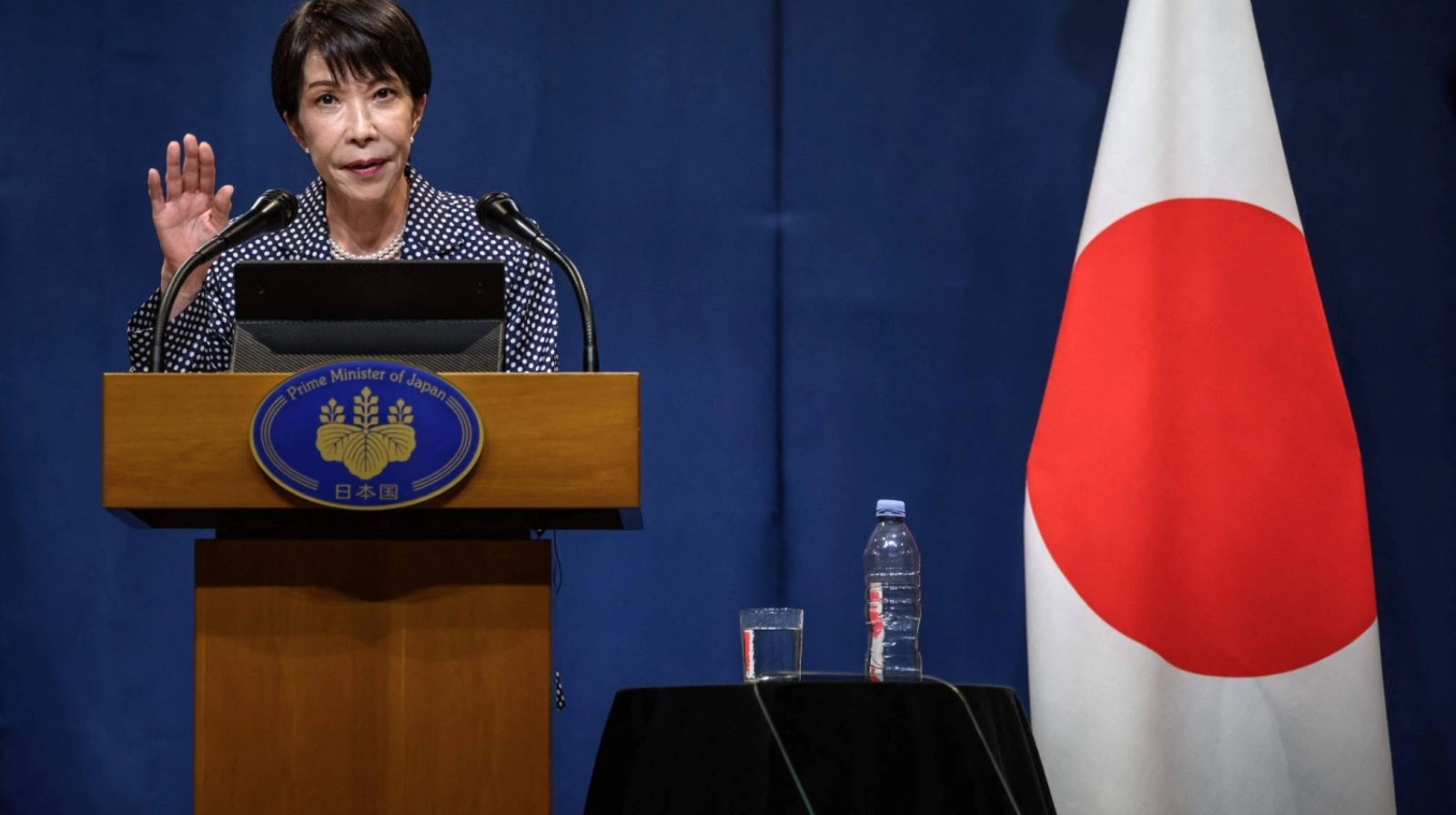
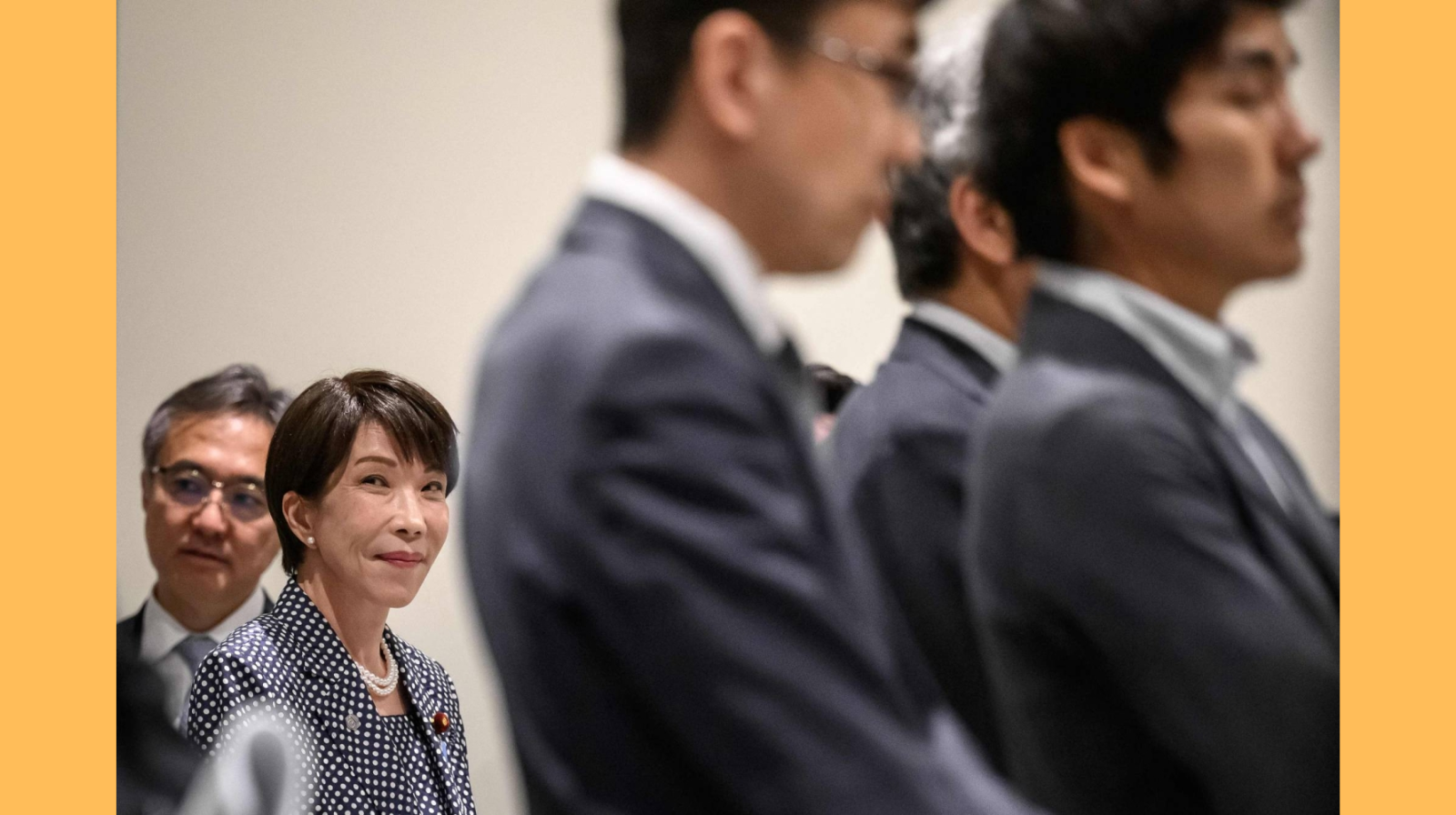
At her first Group of Seven (G7) summit in Evian, France, Japanese Prime Minister Sanae Takaichi successfully integrated economic security into the heart of global diplomacy. Rather than playing the traditional role of a political broker, Takaichi left a distinct mark by securing allied backing for a major overhaul of critical mineral supply chains and keeping Indo-Pacific security firmly on the global agenda.
Thank you for reading this post, don't forget to subscribe!
The Core Strategy: Intertwining Economics and Defense
Takaichi shifted Japan’s diplomatic focus heavily toward supply-chain defense. Her primary goal was building collective resilience against economic coercion—specifically targeting strategic resource vulnerabilities.
The 90-Day Critical Mineral Framework
Takaichi secured G7 agreement on a coordinated mineral security plan modeled after Japan’s unique domestic civilian stockpiling system:
90-Day Target: G7 and like-minded nations will build national stockpiles covering at least 90 days of demand for critical minerals.
IEA Coordination: These reserves will be managed alongside the International Energy Agency (IEA) for joint release during supply disruptions.
The Procurement Clause: Companies receiving emergency supply must commit to permanently shifting procurement away from the supplier responsible for the disruption.
Exporting Expertise:JOGMEC (Japan’s state-backed energy and metals security agency) will share its specialized expertise to help other member nations construct their own storage networks.
Confronting the “China Risk”
Japan’s urgency is rooted in both past trauma and current geopolitical friction.
The 2010 Shock: Following a maritime dispute near the Senkaku (Diaoyu) Islands in 2010, Beijing choked off rare earth exports to Japan. Through JOGMEC-backed diversification efforts (such as investing in Australia’s Lynas), Tokyo reduced its reliance on Chinese rare earths from 90% down to roughly 60%.
The Taiwan Flashpoint: After Takaichi stated in parliament that a Taiwan crisis could prompt a Japanese military response, Beijing retaliated with restrictions on dual-use goods and critical minerals. At the summit, Takaichi explicitly named China, warning that its actions threaten global supply networks.
The Structural Hurdle: Some experts warn that diversifying away from China remains difficult. As Ke Long (Tokyo Foundation) notes, Beijing faces far fewer environmental constraints regarding the toxic refining and extraction processes of critical minerals, giving it a persistent price and volume advantage.
For Takaichi, ensuring language on Taiwan and the East and South China Seas remained in the G7 leaders’ statement despite the summit’s heavy focus on the Middle East was a useful diplomatic marker
Energy Crises & POWERR Asia
Compounded by Middle East conflicts disrupting oil lines, Takaichi utilized the summit to bolster her regional energy platform:
POWERR Asia: Takaichi promoted the Partnership on Wide Energy and Resources Resilience Asia, a framework launched in April to strengthen resource supply chains across the region.
G7 Backing: The summit’s joint statement incorporated these core energy security principles, calling for deeper cooperation between energy-producing and energy-consuming nations.
Geopolitical Alignment in the Indo-Pacific
Amid quiet anxieties in Tokyo that U.S. President Donald Trump might deprioritize Taiwan under the Taiwan Relations Act in exchange for a broader deal with Beijing, Takaichi sought explicit regional reassurance.
Trump Exchange: In a brief sideline meeting, Takaichi and Trump affirmed their shared commitment to a “Free and Open Indo-Pacific,” with Takaichi later stating she does not believe U.S. interest in the region is waning.
The G7 Mandate: The final joint statement strongly opposed “any unilateral attempts to change the status quo, in particular by force or coercion, in the East and South China Seas and across the Taiwan Strait.”
The European Role: While European allies have limited military power projection in the Western Pacific, experts emphasize they are crucial economic and industrial partners to help Japan endure a protracted conflict if deterrence fails.
Frequently Asked Questions (FAQs)
1. What is the “90-Day Plan” proposed by Japan at the G7 summit?
Prime Minister Sanae Takaichi proposed an international, coordinated critical mineral stockpiling network modeled after Japan’s own domestic system. Under this plan, G7 and partner nations would build national stockpiles capable of covering at least 90 days of demand for critical minerals. If a supply chain disruption occurs, the countries would coordinate with the International Energy Agency (IEA) to release these reserves jointly.
To prevent further manipulation, companies receiving emergency minerals from these stockpiles must commit to permanently shifting their procurement away from the supplier responsible for the disruption.
2. Why is Japan prioritizing critical mineral security, and what is China’s role?
Japan’s intense focus on critical minerals stems from the 2010 Senkaku Islands incident, when Beijing abruptly restricted rare earth exports to Japan over a maritime dispute. Since then, Japan has successfully used its state agency, JOGMEC, to finance alternative suppliers (like Australia’s Lynas), reducing its reliance on Chinese rare earth imports from 90% down to roughly 60%.
The issue resurfaced aggressively at the summit because relations between Tokyo and Beijing have frayed. After Takaichi stated that a Taiwan crisis could trigger a Japanese military response, Beijing imposed new export restrictions on dual-use goods and critical minerals, prompting Japan to urge the G7 to decouple from single-source suppliers.
3. What is the “POWERR Asia” initiative introduced by Takaichi?
Introduced by Takaichi in April 2026, POWERR Asia (Partnership on Wide Energy and Resources Resilience Asia) is a $10 billion (¥1.5 trillion) framework designed to protect Asian supply chains from energy shocks.