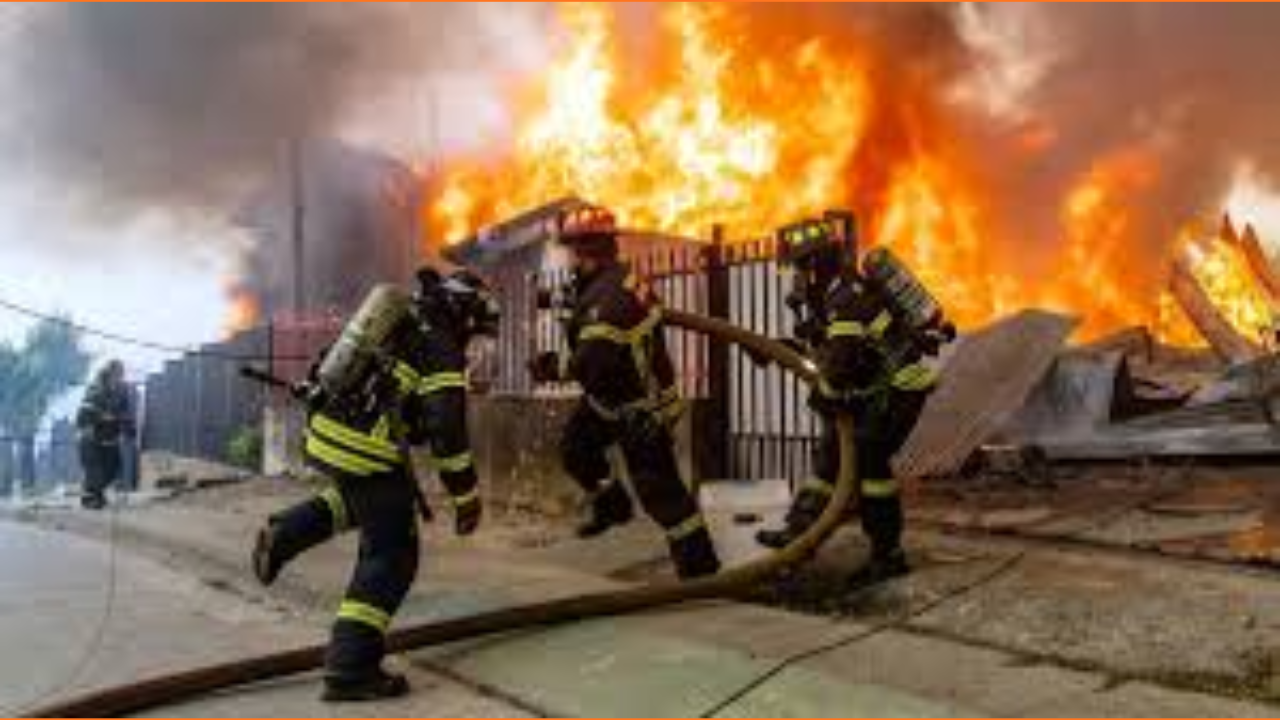
A lethal combination of record-breaking heat and gale-force winds has ignited a humanitarian crisis in Chile’s Biobío and Ñuble regions. As of January 19, 2026, the death toll has climbed to 19, with officials warning that the number will likely rise as emergency crews penetrate deeper into incinerated neighborhoods.
Thank you for reading this post, don't forget to subscribe!The Scale of the Disaster
The fires have moved with such speed that entire neighborhoods were overtaken in minutes. In the coastal city of Penco, residents described “walls of fire” that jumped across highways, leaving behind a landscape of charred vehicles and leveled homes.
- Evacuation Crisis: More than 50,000 people have been displaced. In several coastal towns, families fled toward the Pacific Ocean as the only remaining escape route from the advancing flames.
- Infrastructure Loss: Hundreds of structures—including schools, churches, and local businesses—have been lost. Massive plumes of smoke have reached Santiago, triggering air quality alerts in the capital.
- Extreme Conditions: Firefighters are battling “fire whirls” and unpredictable wind shifts amidst a heatwave where temperatures have peaked at 38°C.
Emergency Response Measures
President Gabriel Boric has declared a State of Catastrophe, a move that mobilizes the Chilean military to provide logistical support and security.
| Measure | Action Taken |
| Curfews | Implemented in hard-hit zones to prevent looting and keep roads clear for fire trucks. |
| Deployment | 4,000+ firefighters supported by military personnel and aerial water tankers. |
| Aid Stations | Schools and community centers have been converted into emergency shelters for the 50,000+ evacuees. |
Looking Ahead
Note for Residents: Chilean authorities emphasize that “material goods can be replaced, but lives cannot.” If an evacuation order is issued for your area, leave immediately.