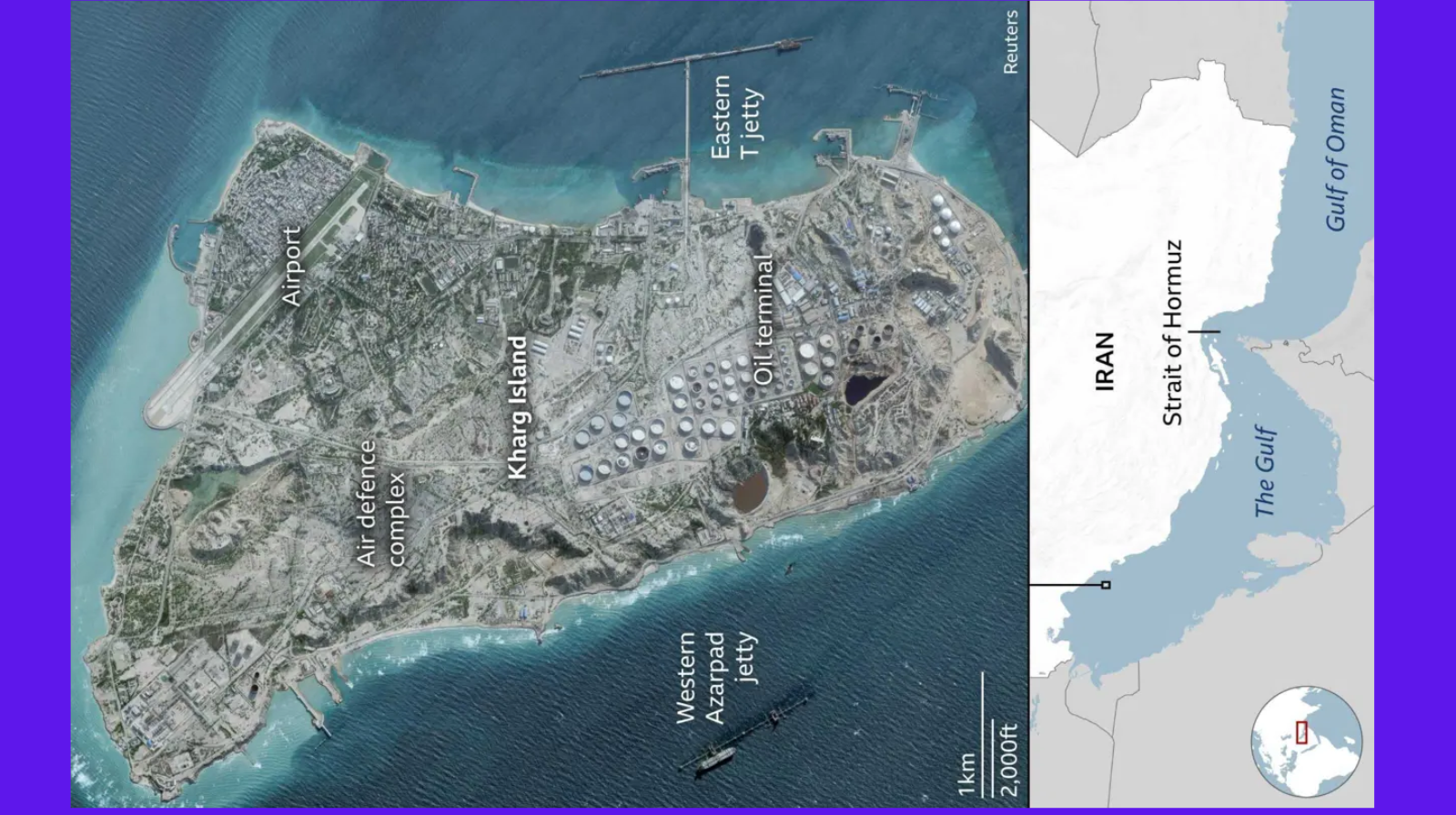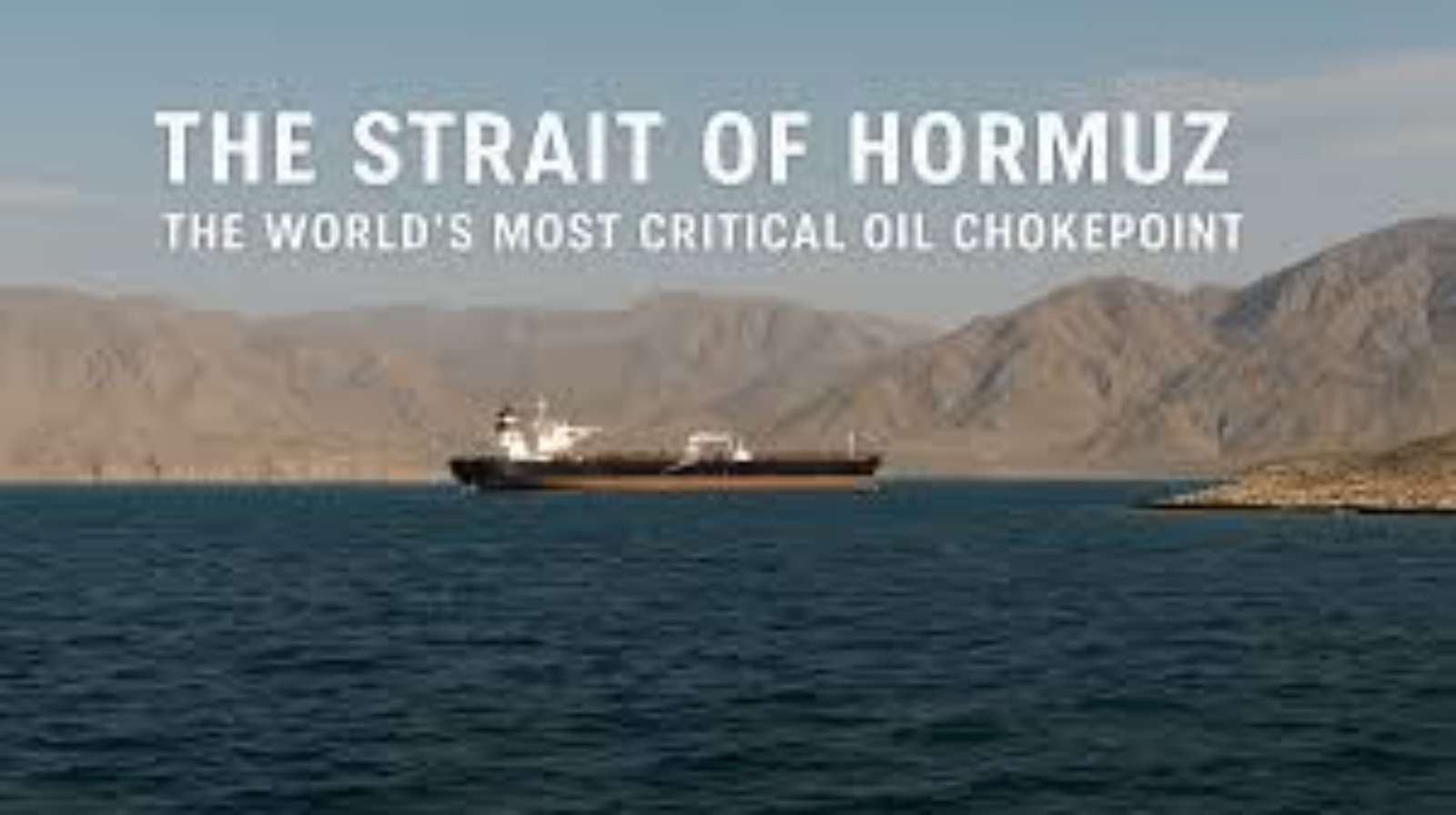
The Strait of Hormuz is a narrow waterway between Oman and Iran that serves as the primary artery for the global energy market. Its importance to the global economy is defined by four key factors:
Thank you for reading this post, don't forget to subscribe!1. Massive Energy Throughput
The Strait is the world’s most significant oil transit point. Approximately 20% of the world’s petroleum liquids—roughly 20 to 21 million barrels per day—passes through this corridor. It is the only maritime exit for the petroleum exports of several major Middle Eastern producers, including:
- Saudi Arabia
- Iraq
- Kuwait
- The United Arab Emirates
2. Global LNG Reliance
3. Geographical Vulnerability
- Width: The actual shipping channels are only 3 kilometers (2 miles) wide in each direction.
- Buffer Zone: These lanes are separated by a 3-kilometer “buffer zone” to prevent collisions.
- Lack of Alternatives: While some land-based pipelines exist in Saudi Arabia and the UAE to bypass the Strait, their combined capacity cannot handle the massive volumes currently moved by sea.
4. Economic “Risk Premium”
Because the global economy is so sensitive to energy costs, the Strait acts as a barometer for market stability. Even a perceived threat to the waterway can cause:
- Price Spikes: Immediate increases in global crude oil prices.
- Shipping Costs: Rising insurance premiums for tankers operating in the region.
- Inflation: Higher costs for consumer goods and transportation worldwide.
Summary Table: Impact of Disruption
| Sector | Primary Impact | Secondary Effect |
| Crude Oil | Immediate supply shortage | Global gas price increases |
| Natural Gas | Power grid instability (EU/Asia) | Rising heating and electricity costs |
| Shipping | Higher insurance premiums | Delayed global supply chains |