No market is entirely immune, but the U.S. labor market is proving to be remarkably bulletproof.
Despite a massive geopolitical shock that has sent global oil supplies reeling and pushed U.S. gas prices past $4.50 a gallon, American hiring isn’t collapsing. In fact, the labor market is staged for a major comeback after an anemic 2025.
The 2026 Turnaround (By the Numbers)
Recent data from the Labor Department shows an economy that is successfully defying the geopolitical headwinds:
- The April Surprise: U.S. employers added 115,000 jobs in April, obliterating economist forecasts of just 65,000.
- The Big Picture: While this is down from March’s 185,000 surge, the trend is clear. Monthly job gains averaged a measly 10,000 in 2025. So far in 2026, that average has skyrocketed to 76,000 jobs per month.
- Unemployment: The jobless rate held steady at a historically low 4.3%.
The verdict? The “hiring recession” of last year appears to be firmly in the rearview mirror.
Winners & Losers: Sector Breakdown
The market’s resilience isn’t uniform. While some industries are acting as economic engines, energy-sensitive sectors are feeling the squeeze.
| Sector | April Job Growth | The Bottom Line |
| Healthcare | +37,000 | The undisputed heavyweight. Added 456,000 jobs over the past year, driven by structural demand. |
| Transportation & Warehousing | +30,000 | Surprisingly robust activity, even with skyrocketing fuel costs. |
| Retail | +22,000 | Sustained by resilient consumers who are still spending their spring tax refunds. |
| Construction | +9,000 | Steady, insulated by major infrastructure projects. |
| Manufacturing | -2,000 | Struggling. Down 66,000 jobs over the past year despite protectionist tariffs. |
The Hidden Threat: The Wage Squeeze
If the job market isn’t breaking, where is the damage showing up? It’s hitting workers’ wallets.
The Wage-Inflation Gap: Average hourly earnings grew by 3.6% year-over-year in April. However, with the war driving projected inflation toward 4%, workers are actually taking a real-terms pay cut.
Additionally, the labor force participation rate dipped to 61.8%—its lowest level since late 2021—indicating that a chunk of the population is stepping away from the workforce entirely.
The Fed’s Next Move
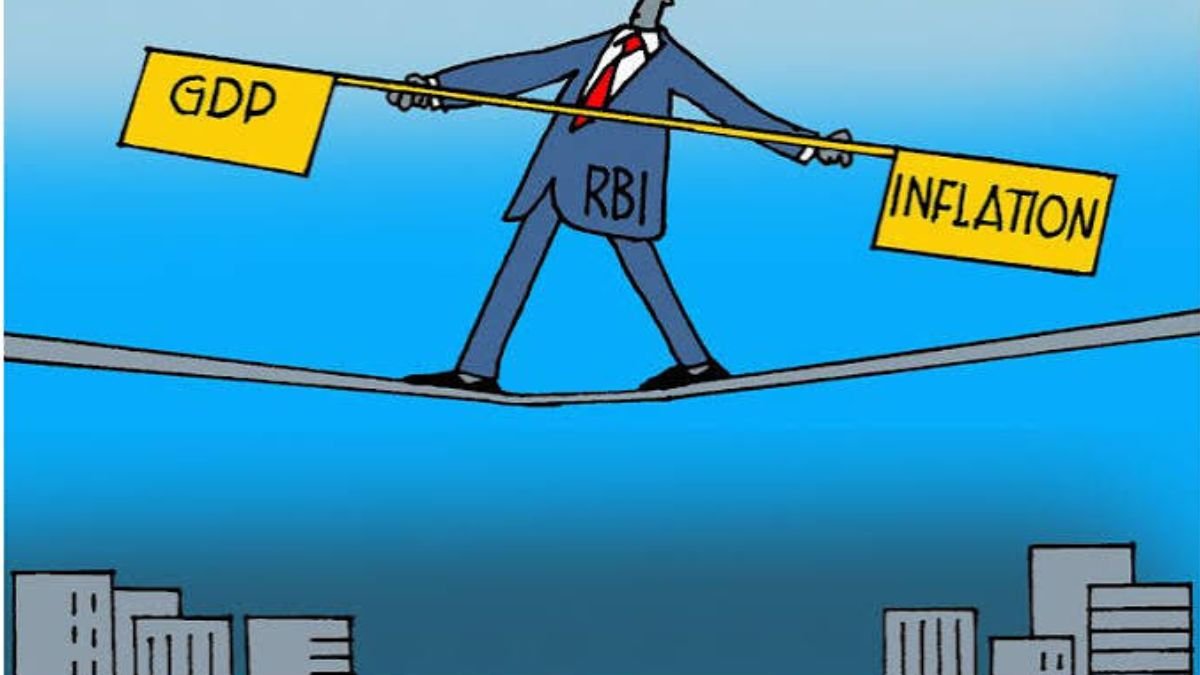
Because the job market refuses to buckle, the Federal Reserve is under zero pressure to cut interest rates. Expect the Fed to keep rates higher for longer, using this strong labor cushion to focus entirely on fighting war-driven inflation.

Suresh holds a Master of Commerce (M.Com) degree and is a dedicated personal finance researcher and writer. Combining his advanced academic background in commerce with deep industry research, he covers complex topics like taxation, banking systems, credit analysis, and personal finance strategies. As the founder of Tax Assistant (taxassistant.org), Suresh is committed to translating complicated financial guidelines and economic data into simple, accurate, and actionable educational resources for everyday readers.