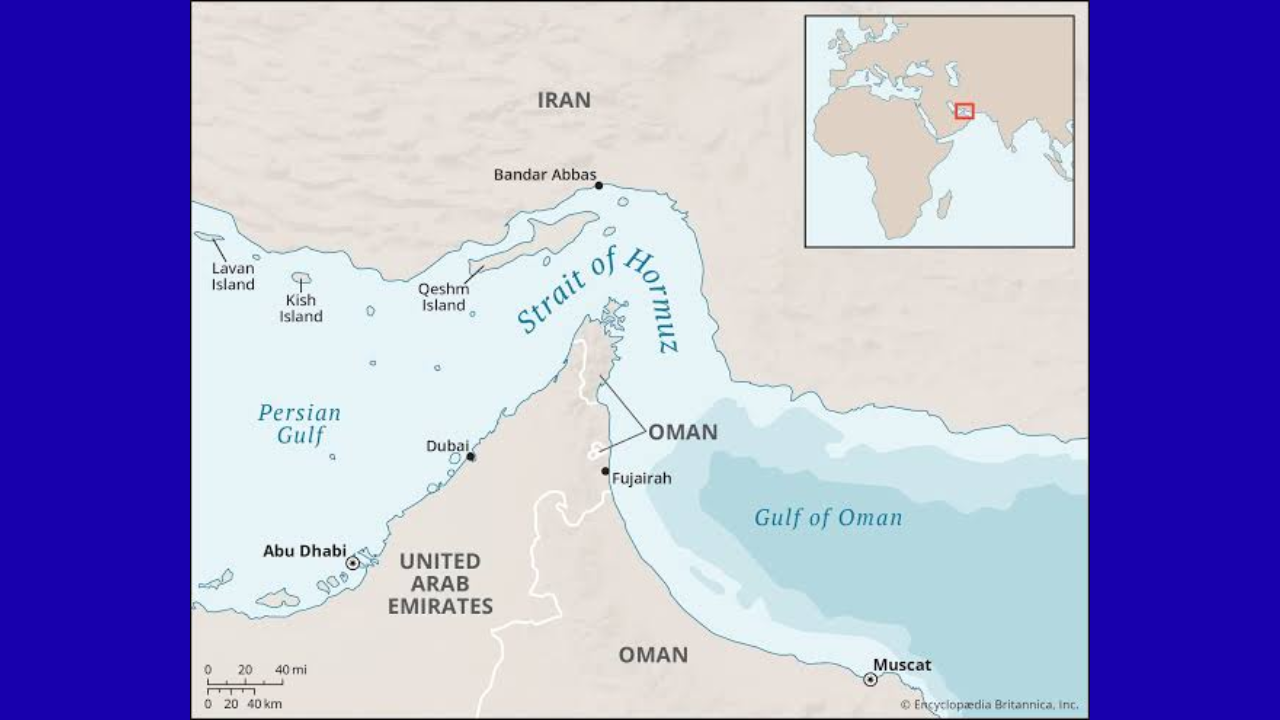
US and Iranian negotiators have reached a memorandum of understanding (MoU) to extend their fragile April 8 ceasefire by 60 days. While top officials say a deal is “very close,” it still lacks final approval from President Donald Trump, and critical disagreements remain between Washington and Tehran.
The high-stakes diplomacy follows a night of direct military skirmishes between US and Iranian forces, keeping energy markets highly volatile.
The Proposed Terms
If finalized, the 60-day interim agreement would require concessions from both sides to defuse the worst global energy crisis in decades:
| What Iran Agrees To | What the US Agrees To |
| Gradually reopen the Strait of Hormuz and clear naval mines. | Phase in sanctions relief and unlock frozen Iranian assets overseas (tied to ongoing progress). |
| Waive all shipping fees/tolls for the duration of the 60 days. | Ease the current naval blockade on Iranian commercial ports. |
| Begin formal nuclear talks, including discussions on diluting or surrendering its highly enriched uranium. |
Key Obstacles & Friction Points
Despite the momentum, the deal faces severe friction on multiple fronts:
- The White House “Red Lines”: Treasury Secretary Scott Bessent and Vice President JD Vance confirmed that Trump has not yet signed off. The administration maintains that Iran must entirely surrender its enriched uranium and secure free navigation of the seas before receiving major relief. Trump has stated publicly that sanctions relief is not currently on the table.
- Tehran’s Hesitations: Iranian state media warns that Trump may try to unilaterally declare a deal before Tehran’s concerns are met. Specifically, Iran wants to maintain administrative control over the Strait of Hormuz and retain the right to charge transit tolls—a system Trump has flatly rejected.
- High Regional Tension: Pakistani and Qatari mediators are working urgently to cement the extension amid fears that a breakdown will trigger a full-blown war. Highlighting the volatility, Trump recently threatened military action against Gulf ally Oman for its role in co-managing the strait’s framework with Iran.
Market Impact
The Strait of Hormuz is a vital global chokepoint responsible for 20% of the world’s oil supply. It has been effectively closed since late February. On signs of diplomatic progress, oil markets saw a slight reprieve:
- Brent crude dropped 1.3% to $92.45 a barrel.
- US crude declined 1.5% to $87.55 a barrel.

Suresh holds a Master of Commerce (M.Com) degree and is a dedicated personal finance researcher and writer. Combining his advanced academic background in commerce with deep industry research, he covers complex topics like taxation, banking systems, credit analysis, and personal finance strategies. As the founder of Tax Assistant (taxassistant.org), Suresh is committed to translating complicated financial guidelines and economic data into simple, accurate, and actionable educational resources for everyday readers.