The ongoing, record-long U.S. federal government shutdown is significantly impacting national air travel and has forced emergency restrictions on commercial space launches, according to a recent FAA order.
Thank you for reading this post, don't forget to subscribe!Aerospace Operations Under New Curfew
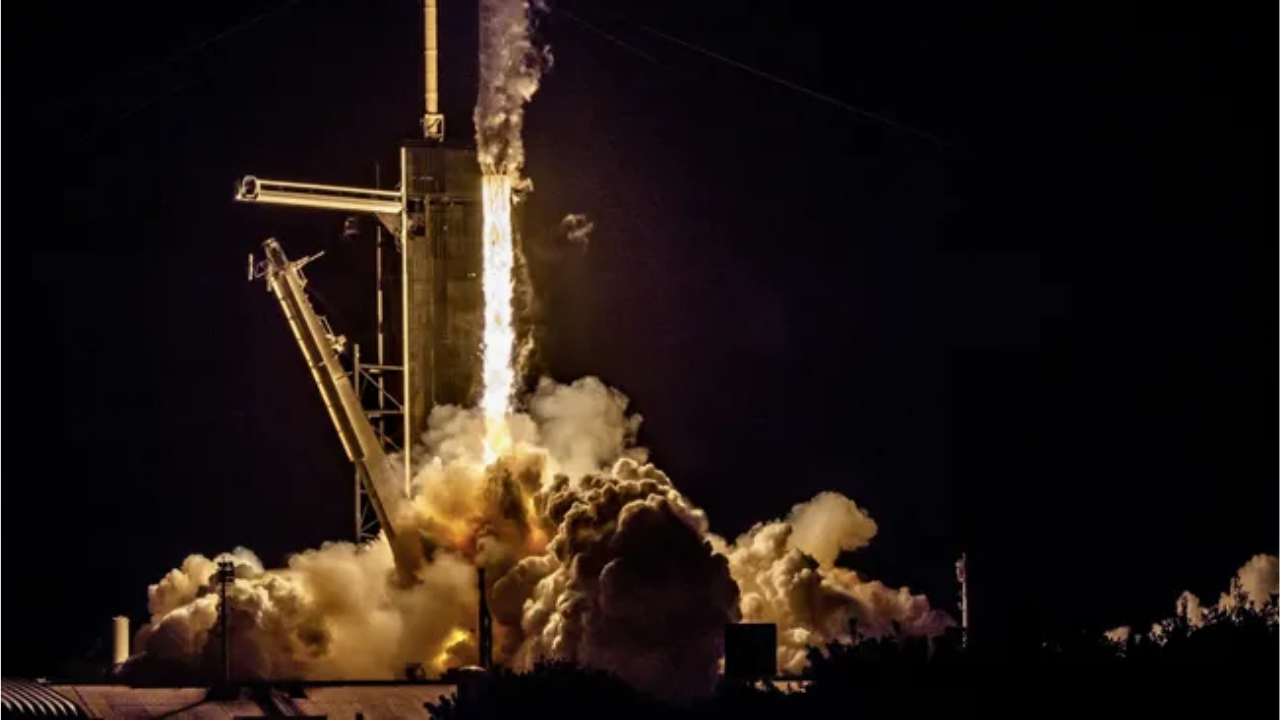
To alleviate stress on the air traffic control system, which is suffering staffing shortages as “excepted” essential employees work without pay, the FAA has imposed a nighttime-only launch window for commercial rockets.
- Daytime Launches Scrubbed: All daytime commercial launches are suspended.
- New Launch Window: Launches can only occur between 10 p.m. EST and 6 a.m. EST, effective November 10 at 6 a.m. EST (1100 GMT).
- Impact: This measure primarily affects SpaceX due to its high-cadence Starlink missions, though other providers like ULA will also be impacted.
- Mission in Jeopardy: The NASA ESCAPADE mission, scheduled for a daytime launch on November 9, faces a critical deadline, as a scrubbed attempt would prevent a near-term reschedule under the new restrictions. ULA’s Atlas V/ViaSat-3 launch, already delayed, could face further complications.
Shutdown’s Effect on Federal Agencies
The shutdown has created a stark contrast in staffing status between federal agencies:
| Agency | Furloughed Employees (Non-Essential) | Excepted Employees (Essential, Working Without Pay) |
| NASA | Nearly 95% of the workforce (~15,000 people) | Minimal |
| TSA | Minimal | 95% of the workforce |
Secretary of Transportation and Acting NASA Administrator Sean Duffy defended the emergency order, stating it was a proactive move to assess data and mitigate “building risk in the system” while controllers continue to work without pay.
Would you like me to focus the summary on a specific aspect, such as the impact on the launch schedule or the difference in staffing between NASA and TSA?