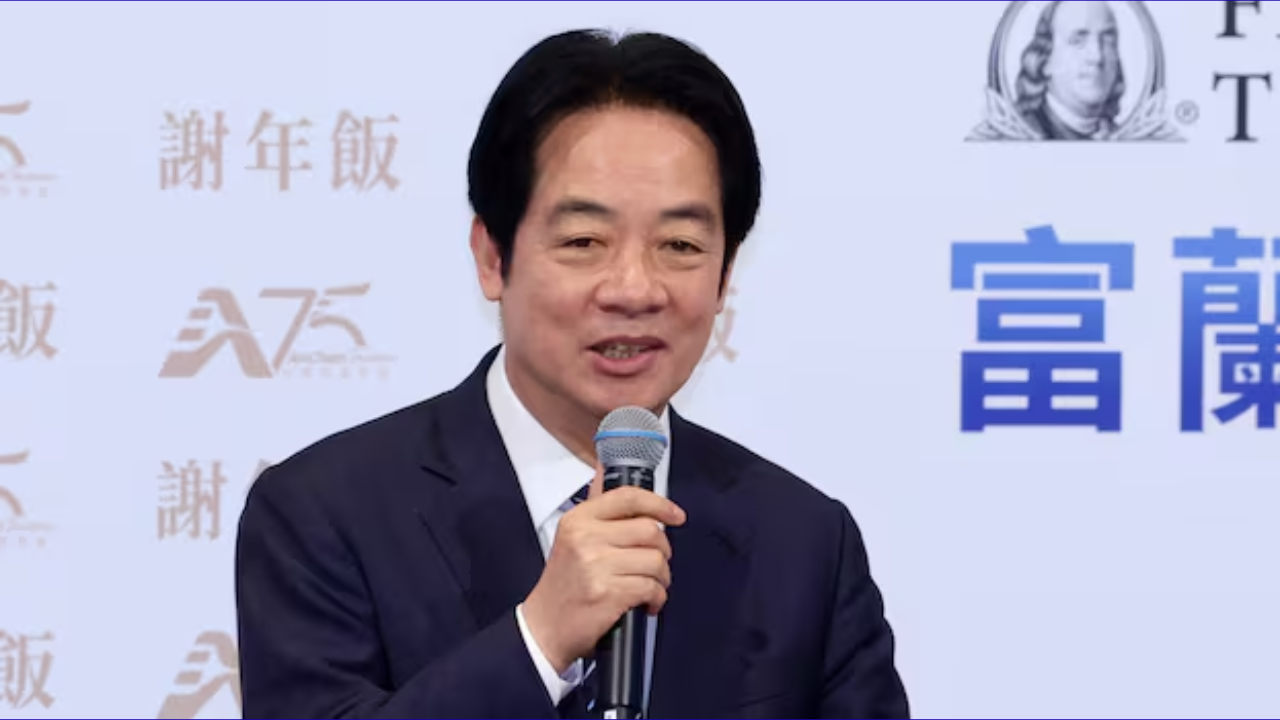
The recent easing of US-China trade tensions has brought a wave of relief and optimism to foreign businesses at the China International Import Expo (CIIE) in Shanghai, even as the fundamental issue of the massive trade imbalance remains.
Thank you for reading this post, don't forget to subscribe!Relief for US Agriculture
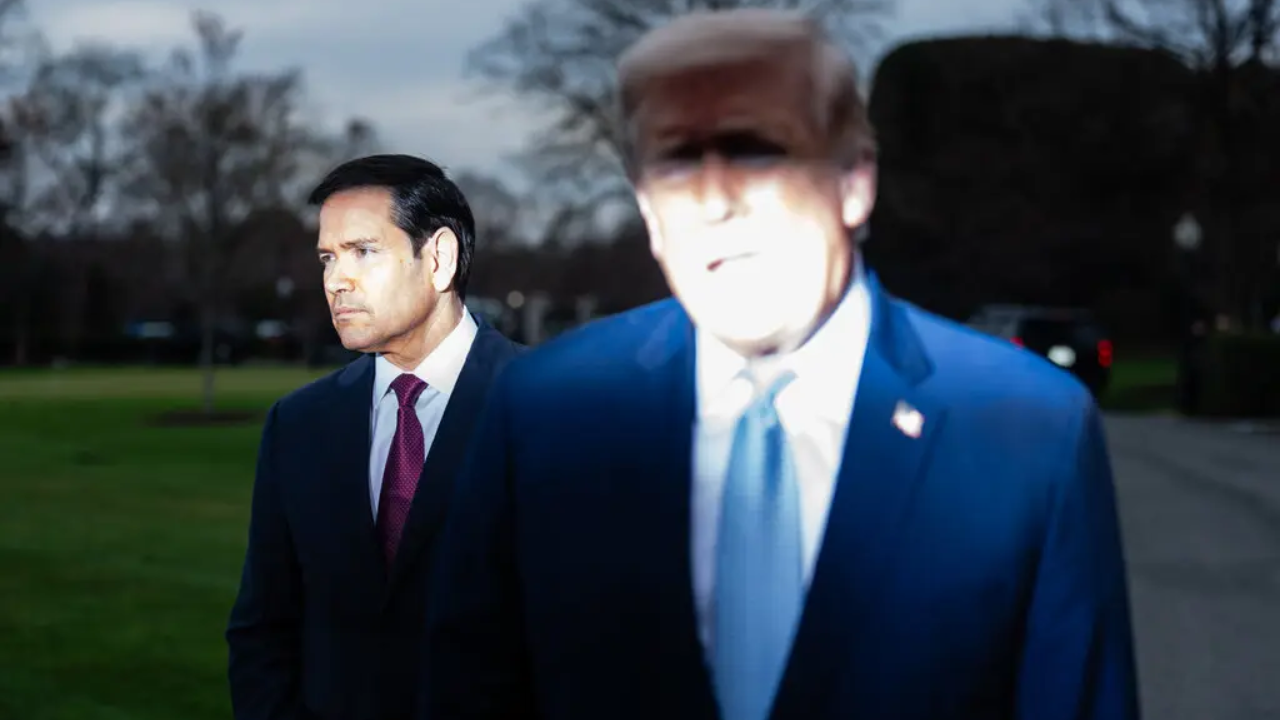
The announcement of a one-year trade truce between Presidents Trump and Xi was particularly welcome news.
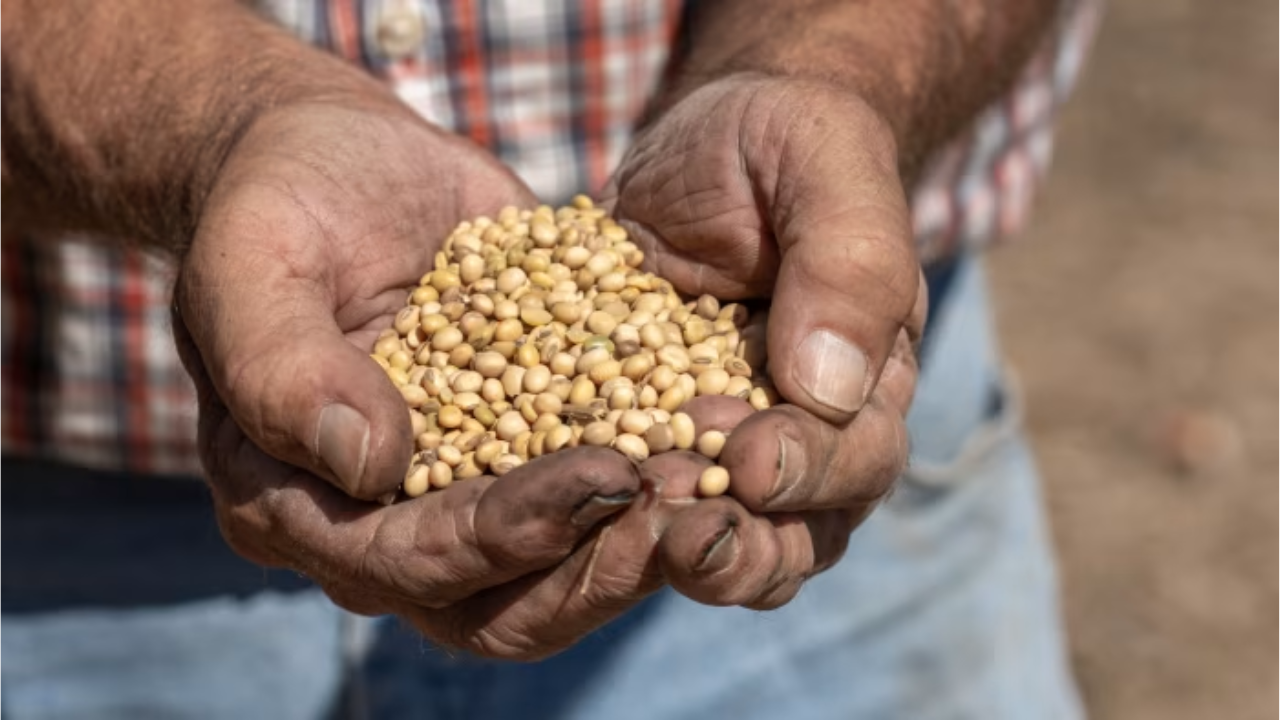
- Soybean Farmers Breathe Easy: Jim Sutter, CEO of the US Soybean Export Council, stated that the truce brought a “huge sigh of relief” to the 500,000 US soybean farmers, whose shipments to China had recently stalled due to high tariffs.
- Timely Showcase: The truce provided perfect timing for the CIIE, an annual fair launched by President Xi Jinping to signal that the world’s largest exporting nation is committed to buying more goods and services from international partners.
The Persistent Trade Imbalance
Despite the optimistic mood at the fair, experts warn that the underlying economic structure has not shifted:
| Trade Metric | Value (So Far This Year) | Context |
| China’s Global Goods Surplus | $965 billion | Approaching last year’s record high of almost $1 trillion. |
| China’s Surplus with the US | $233 billion | A core driver of the recent tariff conflicts. |
Eric Zheng, president of the Shanghai American Chamber of Commerce, described the deficit as a “structural issue” that is “almost impossible” to eliminate entirely, though he suggested narrowing it by focusing on less politically sensitive areas like agricultural products and services (e.g., finance and insurance).
The Enduring Allure of China’s Market
For many companies, the potential of the vast Chinese consumer base outweighs the challenges:
- European Growth: Erik Bresling of Danish Speciality Foods noted that his company’s annual sales in China (around Rmb2bn or $280mn) have recently been expanding at a 5% annual rate.
- Global Brands Presence: Companies like Tesla, Boeing, Microsoft, and Starbucks (which recently sold a stake in its mainland business) underscore the market’s significance.
- Evolving Demand: The California Wine Institute noted that China, which accounts for $80mn of their annual exports, has rapidly evolved from being “mostly a gifting market” to a highly competitive one.
A “Wake-up Call” for Global Trade
While foreign exporters still face intense price pressures and hyper-competition in China, the trade conflict’s impact may extend beyond the US-China relationship. Jim Sutter suggested that Trump’s aggressive actions might serve as a “wake-up call” for other nations, prompting them to reconsider their trade relationships and potentially increase purchases from the United States.
Would you like me to focus on a specific country or industry mentioned in the article, such as US soybeans or European food exports, or elaborate on the structural trade issues?