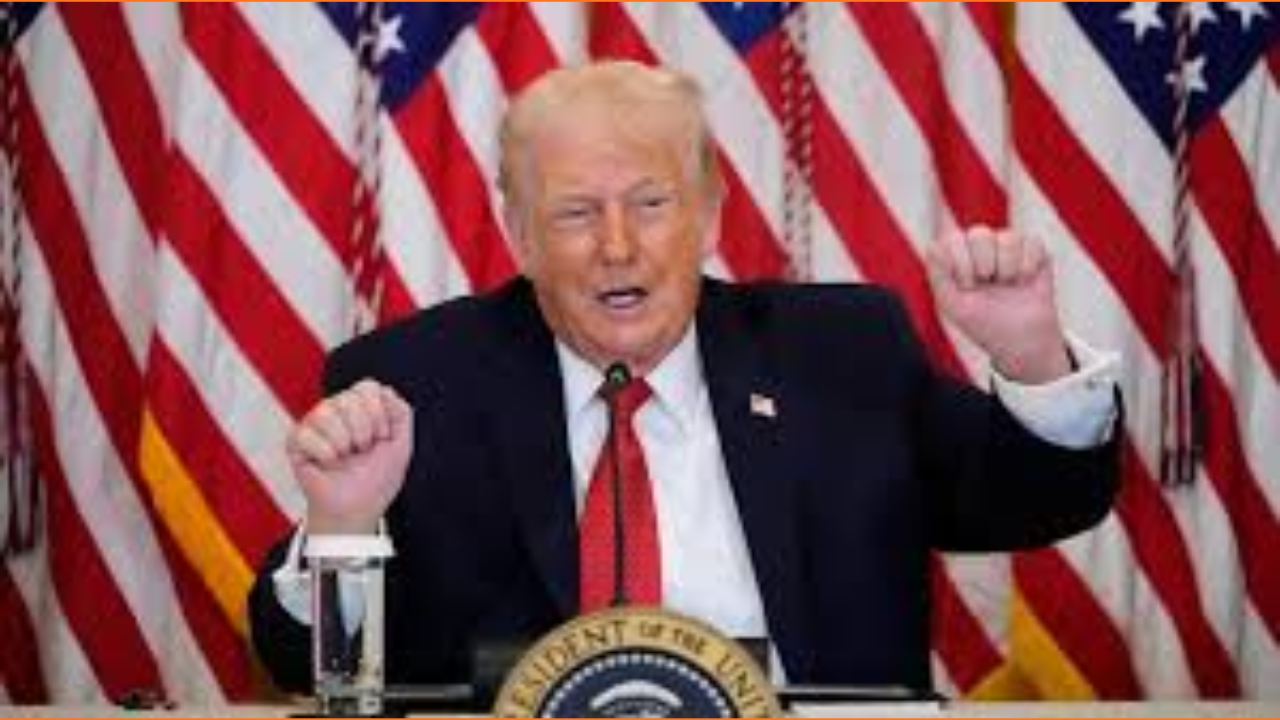
In a significant escalation of his administration’s foreign policy goals, President Donald Trump announced on January 16, 2026, that he is prepared to impose punitive tariffs on nations that oppose the U.S. acquisition of Greenland.
Thank you for reading this post, don't forget to subscribe!Asserting that control of the territory is a matter of vital national security, the President suggested that economic pressure is a necessary tool to overcome international resistance. “We need Greenland,” Trump stated, citing his previous use of tariffs against European allies as a successful precedent for this strategy.
The Breakdown of Diplomacy
The threat of economic sanctions follows a period of heightened tension between Washington and Copenhagen:
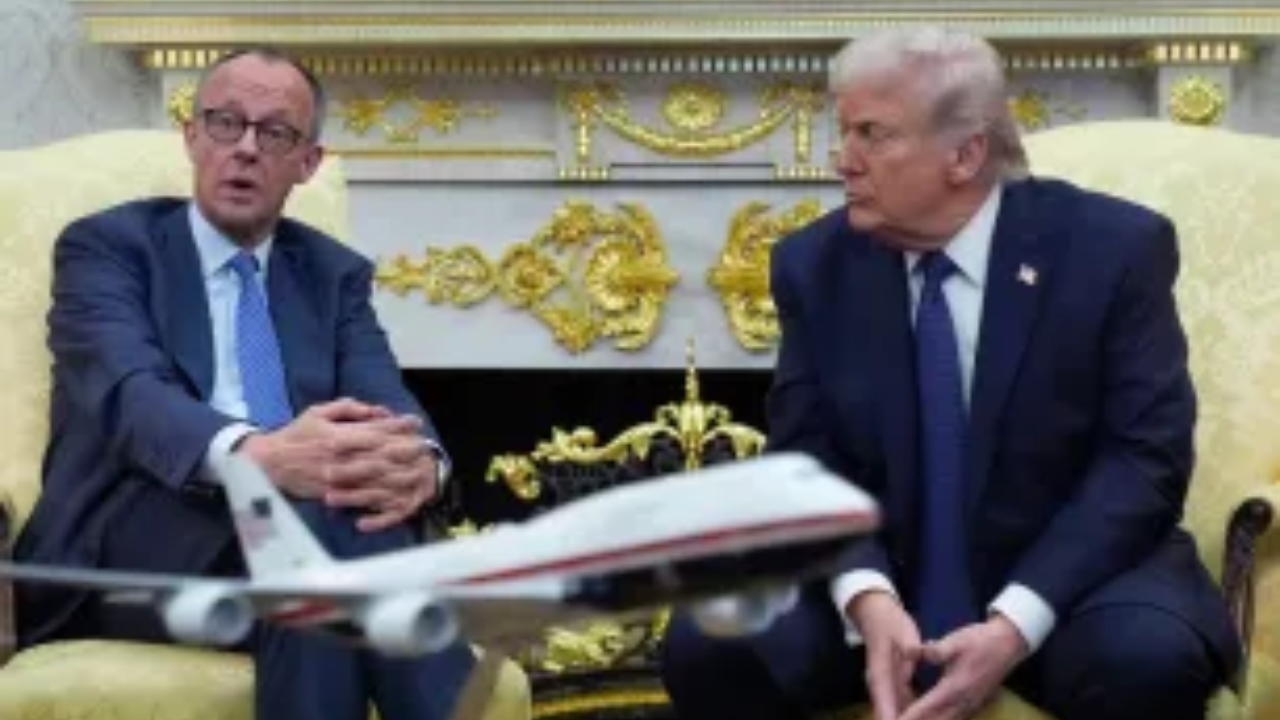
- Failed Negotiations: Recent talks in Washington between high-level U.S. officials and representatives from Denmark and Greenland ended in a deadlock.
- The “Not for Sale” Stance: Denmark continues to reject the proposal, viewing Greenland’s sovereignty as non-negotiable.
- European Solidarity: France, Germany, and Norway have signaled support for Denmark, even deploying a symbolic military presence to the island to discourage unilateral U.S. action.
Strategic Rationale vs. Global Risks
The White House justifies this aggressive stance through two primary lenses:
- Arctic Security: Preventing China and Russia from expanding their influence in the North.
- Missile Defense: Greenland is considered a cornerstone for the proposed “Golden Dome” defense system.
The Risks: International trade experts warn that these threats could dismantle existing trade agreements with the European Union, which currently limit tariffs to 15%. Critics also argue that forcing the issue could lead to a permanent fracture within the NATO alliance.
Domestic Opposition
- Block the use of federal funds for the annexation of territory belonging to NATO allies.
- Require explicit consent from the foreign government before any acquisition can be finalized.