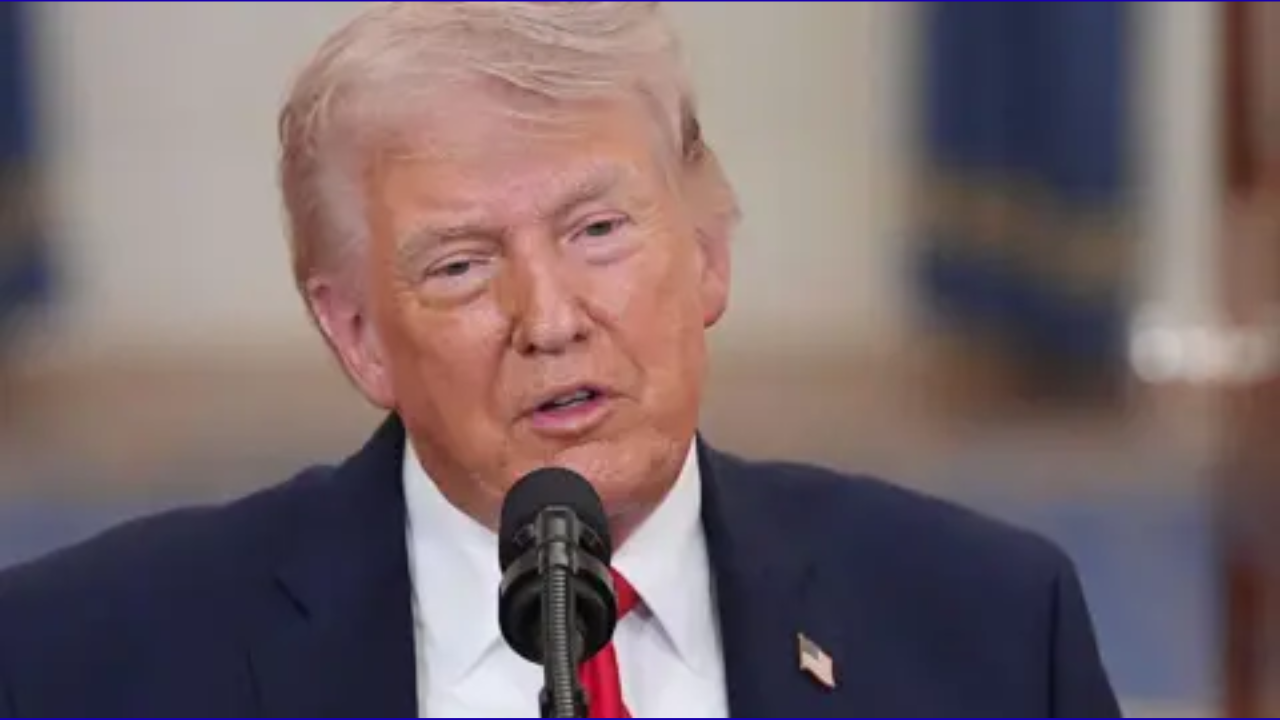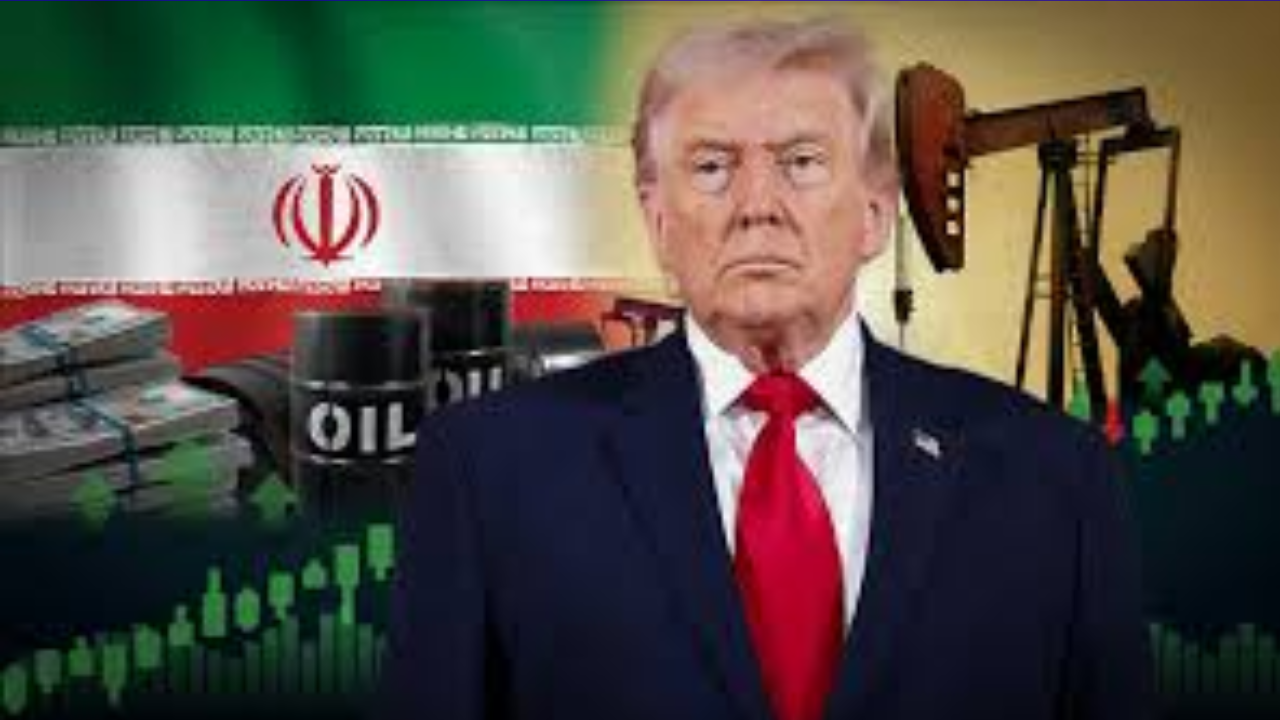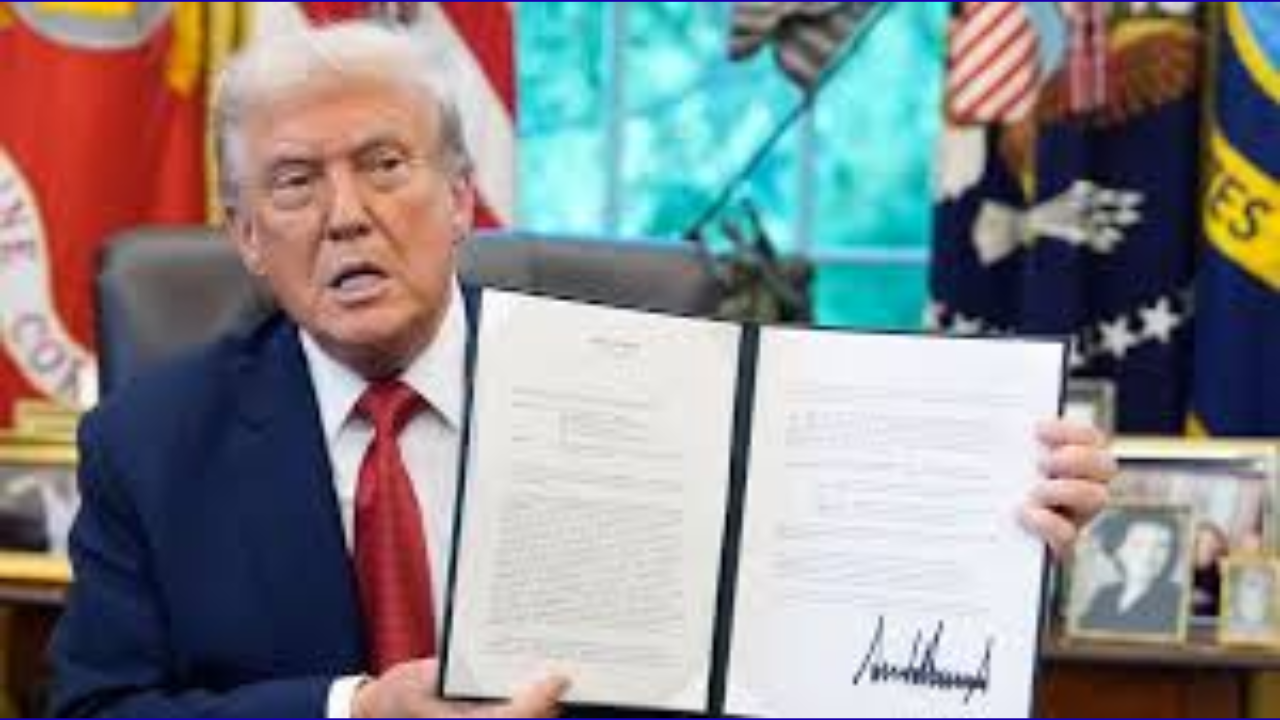
Marking the one-year anniversary of his “Liberation Day” trade policy on April 2, 2026, President Trump signed an executive order targeting the pharmaceutical industry and refined existing metal duties. This move serves as a strategic pivot following a Supreme Court ruling in February that limited the administration’s broader tariff powers.
Thank you for reading this post, don't forget to subscribe!1. The Pharmaceutical “Deal or Duty” Ultimatum
The administration is leveraging massive tariffs to force drugmakers into domestic manufacturing and lower pricing. The order targets patented, branded drugs and active pharmaceutical ingredients (APIs), while leaving generics untouched for now.
| Compliance Status | Tariff Rate | Conditions |
| Compliant | 0% | Signs a “Most Favored Nation” price deal and builds U.S. plants. |
| In Progress | 20% | Building U.S. plants but has not signed a pricing deal (scales to 100% over 4 years). |
| Non-Compliant | 100% | Refuses both U.S. onshoring and pricing agreements. |
- Deadlines: Large firms have 120 days to comply; smaller firms have 180 days.
- Ally Protections: Tariffs are capped at 15% for the EU, Japan, South Korea, and Switzerland. The United Kingdom secured a 0% rate through a specific three-year production deal.
2. Metal Duties: The “15% Weight” Rule
The administration also restructured the 50% tariffs on steel, aluminum, and copper to close valuation loopholes and provide relief for products where metal is only a minor component.
- The Weight Threshold: * Products with less than 15% metal by weight (like luxury goods or electronics with small metal accents) are now exempt from the 50% surcharge.
- Products exceeding the 15% threshold face a 25% tariff on their total value.
- Valuation Shift: To prevent “under-invoicing,” duties are now calculated based on the full customs value (the price paid by the consumer) rather than the wholesale port value.
3. The “National Security” Justification
The White House frames these moves as a necessity for national security, arguing that dependence on foreign medicine and raw metals creates a strategic vulnerability.
The Industry Pushback: Trade groups like PhRMA warn that these “100% levies” will likely backfire, resulting in higher out-of-pocket costs for patients and a significant reduction in research and development (R&D) spending within the U.S. market.
Estimated reading time: 2 minutes