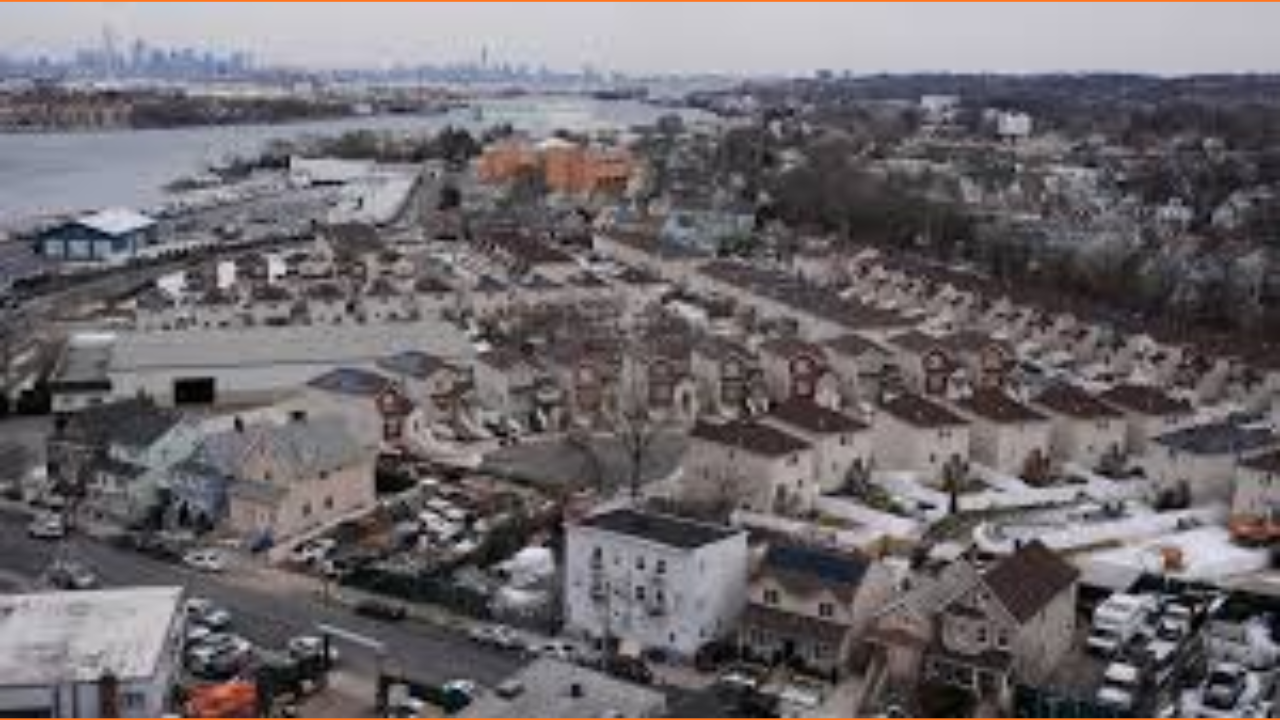
The 11th Congressional District—covering Staten Island and parts of Brooklyn—has long been the “white whale” for New York Democrats. However, a January 2026 court ruling has fundamentally changed the math.
Thank you for reading this post, don't forget to subscribe!Here is how the legal win translates into a political advantage:
The “Manhattan Bridge” Strategy
The core of the win lies in geographical realignment. Currently, the district leans Republican because it pairs Staten Island with conservative-leaning pockets of Southern Brooklyn (like Dyker Heights).
- The Shift: The court order paves the way to swap those Brooklyn neighborhoods for Lower Manhattan.
- The Impact: By tethering Staten Island to hyper-liberal areas like Chelsea or the West Village, the GOP’s local stronghold is effectively neutralized by a massive influx of reliably Democratic voters.
Correcting “Vote Dilution”
The ruling wasn’t just about party lines; it was framed as a victory for civil rights.
- The court found that the previous maps unconstitutionally split minority communities, muffling their collective voice.
- Any new map must prioritize community of interest guidelines, which likely means consolidating minority voting blocs in a way that aligns with Democratic platforms.
The “Albany Power Play”
Because the New York State Legislature is controlled by a Democratic supermajority, the court’s decision to throw out the old map hands the “pen” back to the party.
- The Independent Redistricting Commission (IRC) gets the first shot at a redraw.
- If they stall or fail, the Democratic-led Legislature takes over.
- This allows the party to craft a “Goldilocks” district: one that is just liberal enough to flip, without endangering neighboring Democratic incumbents.
The Bottom Line: For Republicans, this isn’t just a map change—it’s an existential threat to their last remaining foothold in New York City. For Democrats, it’s a vital piece of the puzzle in their quest to reclaim the House majority.