The global energy market and Middle Eastern security landscape sit on a knife’s edge today, April 11, 2026, as the United States begins active military operations to reopen the Strait of Hormuz while high-level diplomatic delegations attempt to salvage a teetering ceasefire in Pakistan.
Thank you for reading this post, don't forget to subscribe!Military Action: Clearing the Blockade
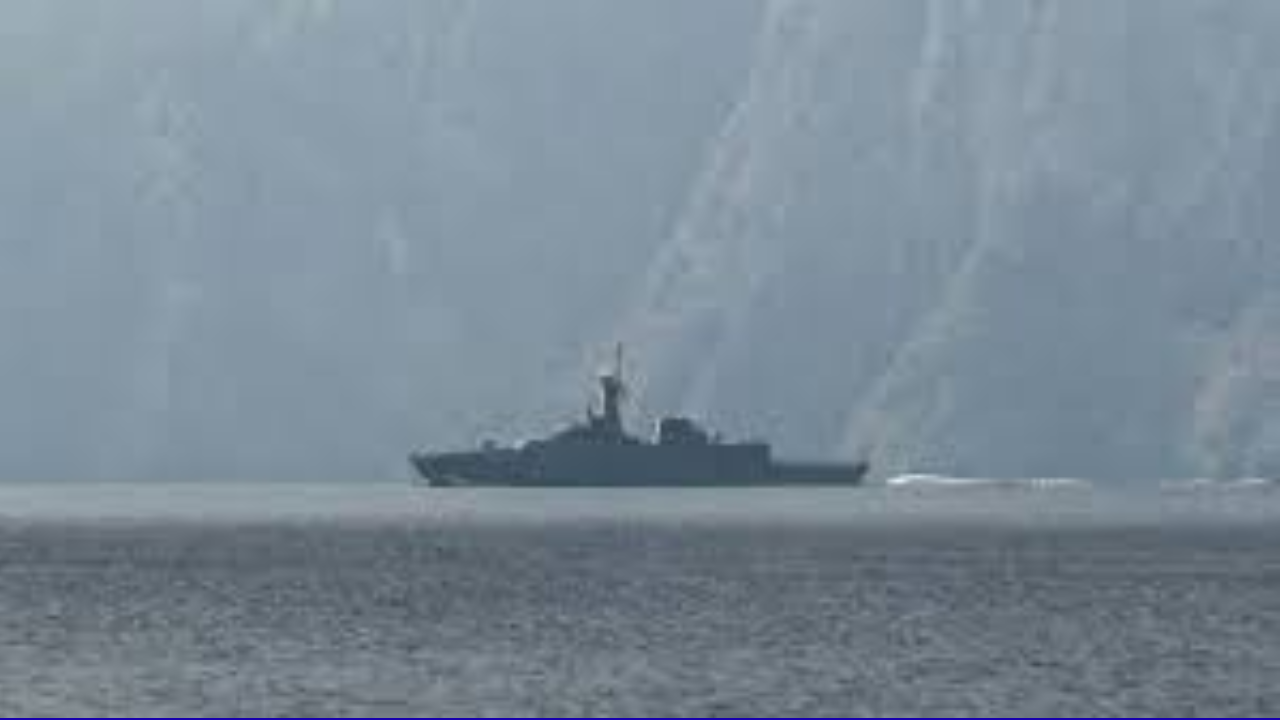
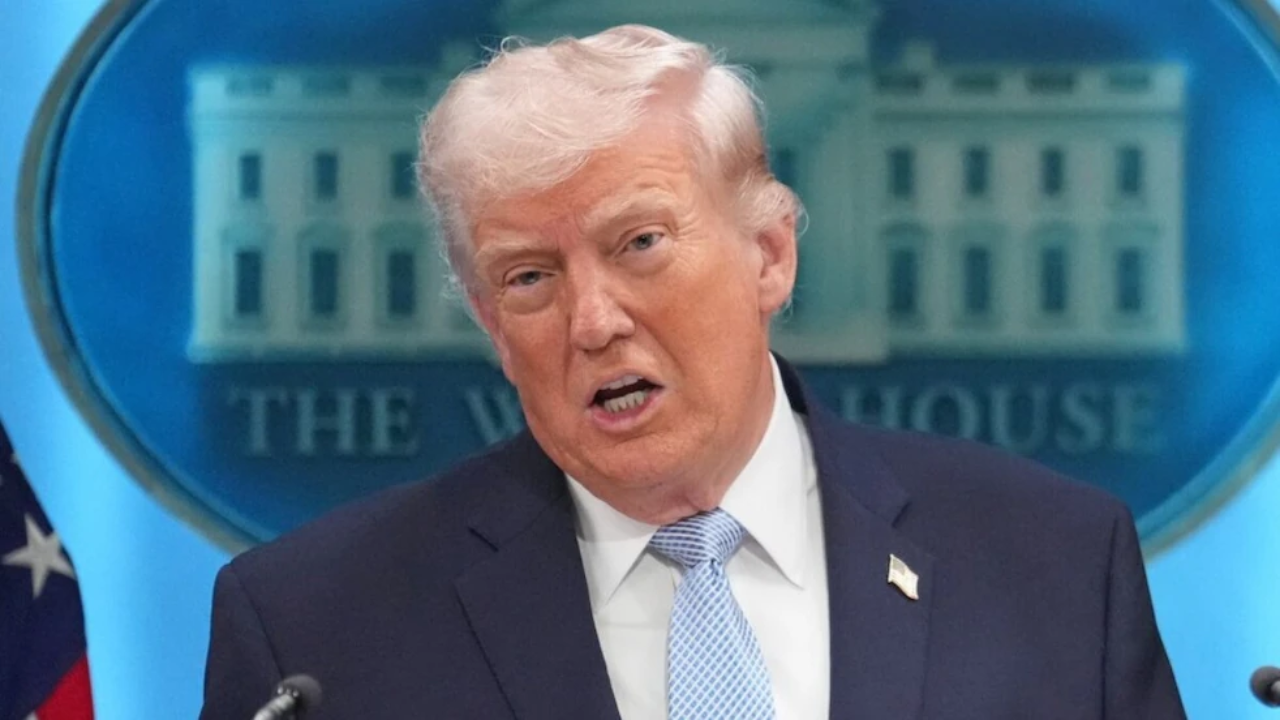
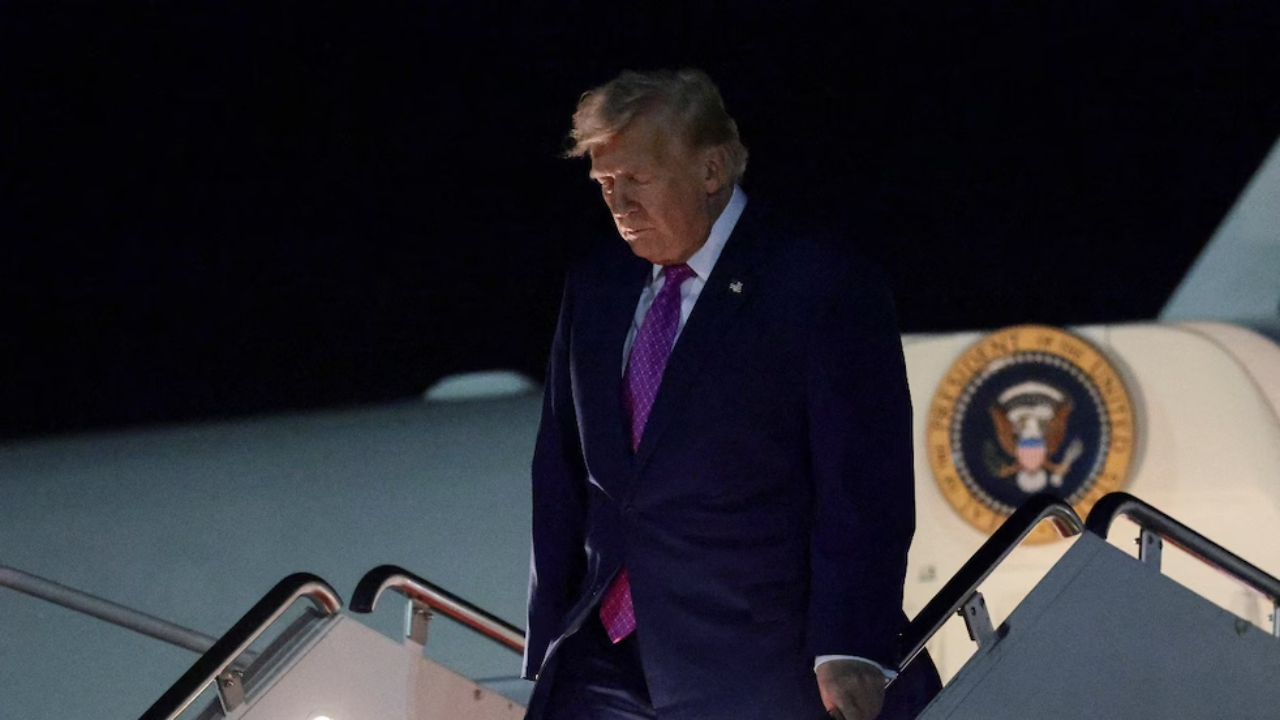
- Neutralizing Threats: The administration claims that Iranian mine-laying capabilities have been dismantled, with Trump stating that the vessels responsible are no longer operational.
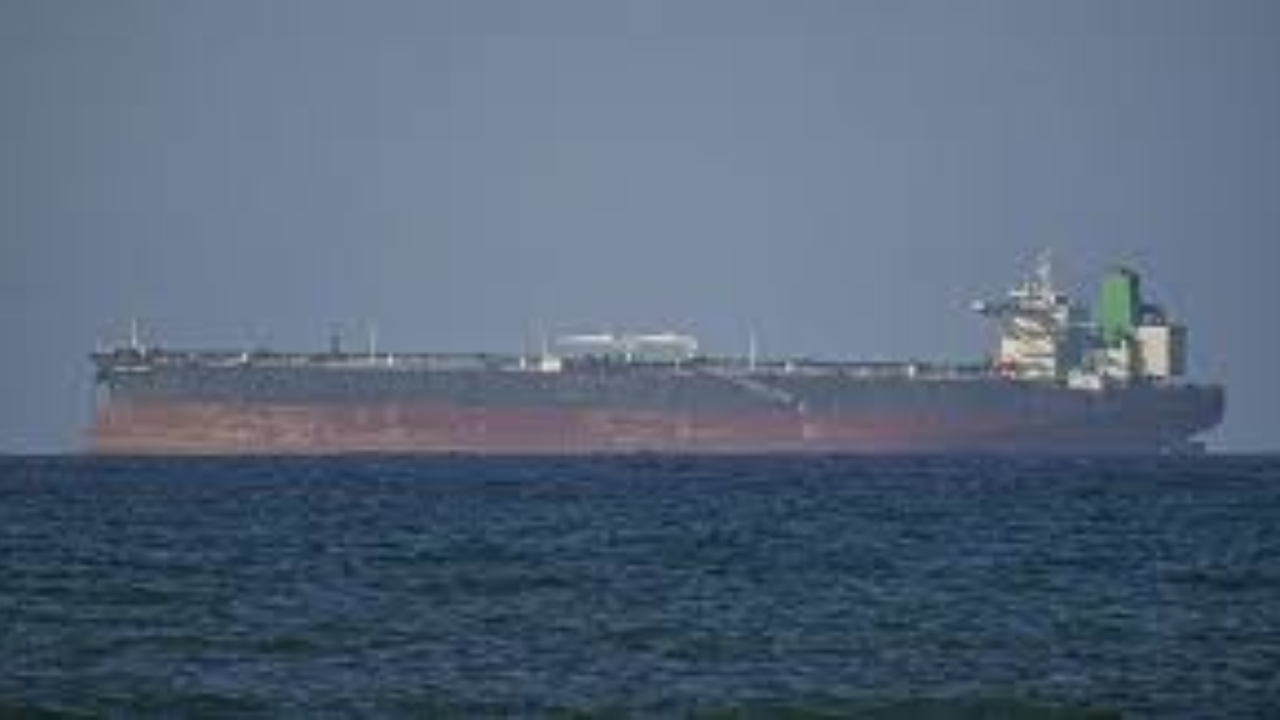
- The Mine Sweep: The current phase of the operation focuses on clearing sea mines to ensure the safe passage of commercial tankers.
- Economic Shift: In a strategic pivot, the White House is encouraging global markets to look toward U.S. energy exports as a more stable alternative to the volatile Middle Eastern supply chain.
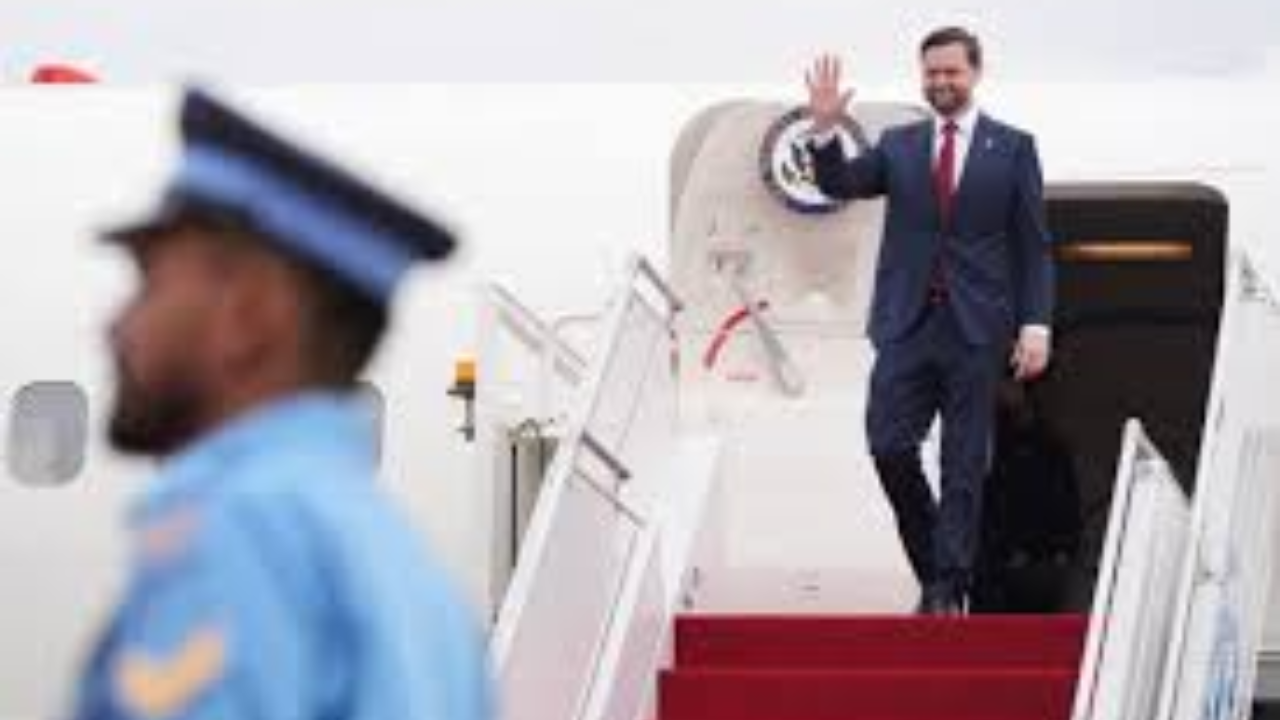
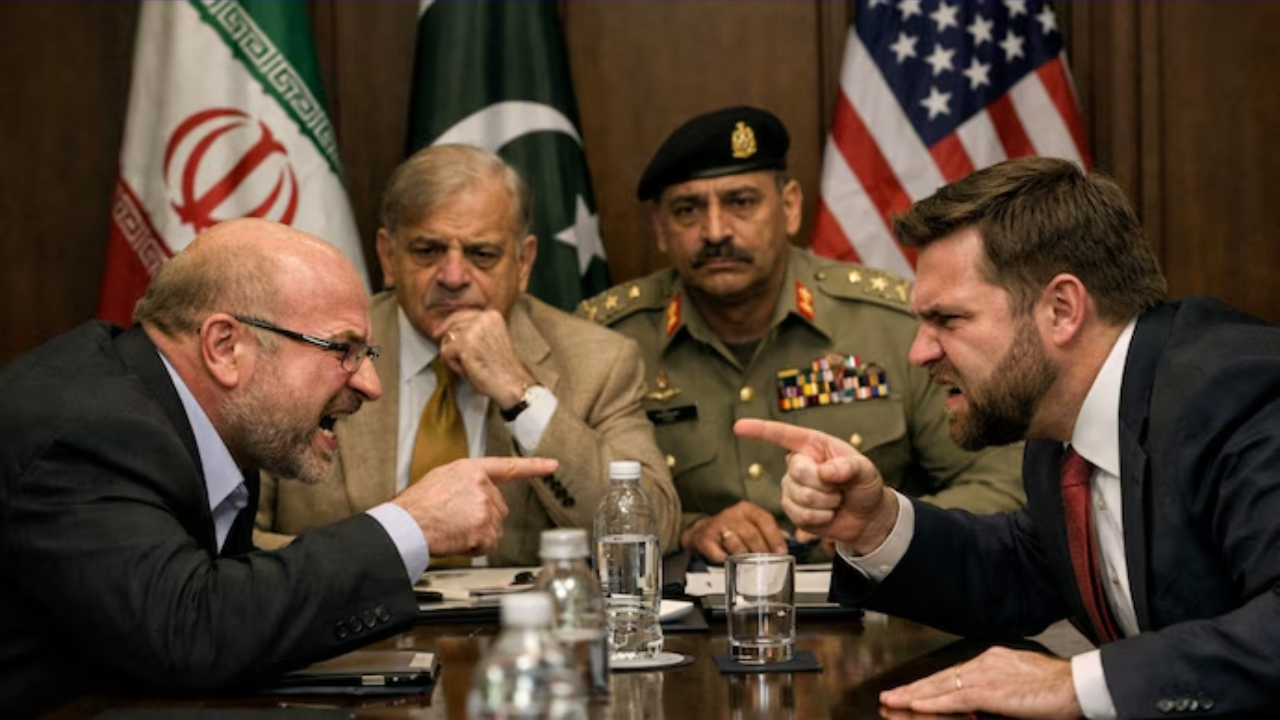
Diplomacy: The Islamabad Summit
“The world is watching Islamabad. This is the first real opportunity for a permanent de-escalation of the 2026 conflict, but the window is closing fast.”
The Ceasefire Friction
A 14-day ceasefire, brokered by Pakistani leadership earlier this week, is under severe pressure due to a dispute over its scope:
- The Lebanon Gap: Iran maintains that the truce must extend to operations in Lebanon.
- The U.S./Israel Position: Negotiators argue the ceasefire applies strictly to the direct U.S.-Iran theater, excluding regional proxy maneuvers.
The Path Forward
The stakes of the Islamabad talks cannot be overstated. Iran is demanding the release of frozen assets and the lifting of economic sanctions as a prerequisite for peace. Conversely, the U.S. has signaled that military “maximum pressure” remains the immediate fallback should the talks collapse.