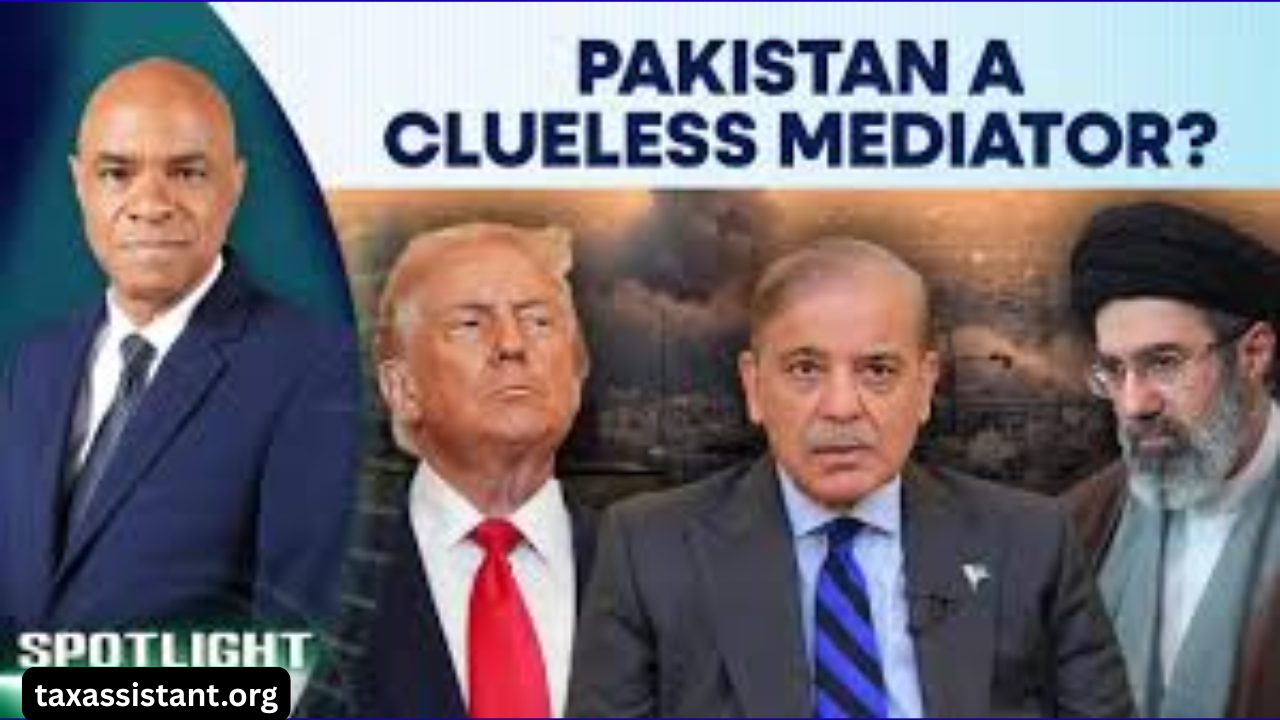
The current diplomatic tension surrounding the April 8, 2026, ceasefire is less about a single point of “blame” and more about a high-stakes breakdown in communication. While some officials point to Pakistan’s role as the mediator, the situation is a complex triangle of conflicting expectations.
Thank you for reading this post, don't forget to subscribe!The Catalyst of Confusion
On April 7, Pakistani Prime Minister Shehbaz Sharif announced a breakthrough: a US-Iran ceasefire that supposedly applied “everywhere, including Lebanon.” This specific inclusion of Lebanon is what triggered the immediate diplomatic firestorm:
- The Israeli Rejection: Prime Minister Netanyahu’s office denied any such agreement regarding Lebanon, insisting the truce was limited in scope. To underscore this, Israel launched a massive wave of airstrikes against Hezbollah targets shortly after the announcement.
- The American Clarification: Vice President JD Vance characterized the event as a “legitimate misunderstanding.” He noted that while Iran may have operated under the impression that Lebanon was included, the US and Israel viewed the Hezbollah conflict as a separate theater.
- The Iranian Retaliation: Iranian Foreign Minister Abbas Araghchi accused the West of a “bait-and-switch.” Consequently, Iran has leveraged its control over the Strait of Hormuz, threatening a total blockade if the strikes in Lebanon do not cease.
Pakistan’s Role: Messenger or Architect?
As the primary mediator, Pakistan finds itself in the crosshairs of the “blame game.” Analysts are divided on whether the confusion was a mistake or a strategy:
- Communication Gap: There is a possibility that Pakistan over-interpreted the progress of the talks, presenting a “comprehensive peace” to the public that hadn’t been fully ratified by the Israeli side.
- Constructive Ambiguity: It is also argued that all parties may have allowed for a level of vagueness to get the initial signatures, but that ambiguity proved fatal once kinetic action continued in Lebanon.
A Fragile Peace
The “Islamabad Accord” currently hangs by a thread. While a technical “two-week pause” exists between the US and Iran, the ongoing violence in Lebanon and the looming threat of a maritime blockade in the Strait of Hormuz suggest that the “misunderstanding” may have effectively neutralized the deal’s primary goal of regional stability.

"Suresh Kumar Saini is an experienced Tax Assistant and finance writer. He specializes in US & Canada Tax Guide, Indian Income Tax laws, GST compliance, and personal finance, helping freelancers and remote workers optimize their taxes."