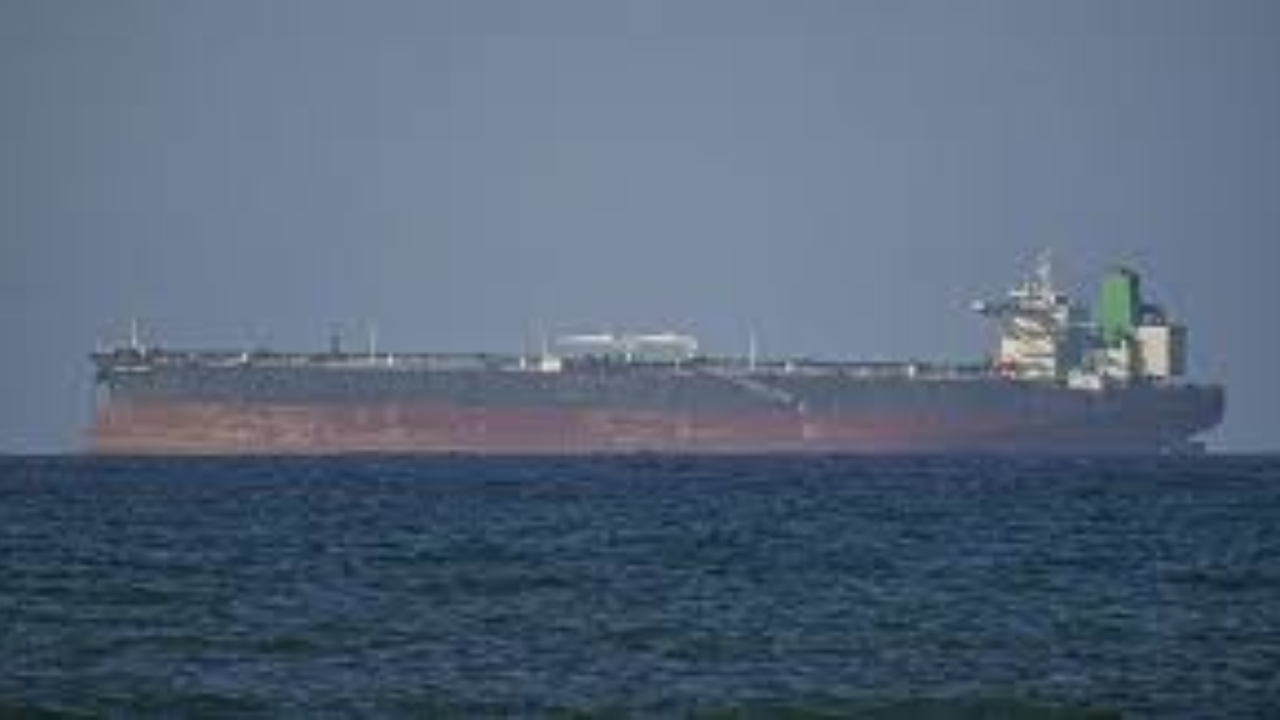
U.S. Central Command (CENTCOM) announced that two guided-missile destroyers, the USS Frank E. Peterson (DDG 121) and the USS Michael Murphy (DDG 112), have successfully transited the Strait of Hormuz.
The Mission: Securing Global Trade
- Freedom of Navigation: CENTCOM characterized the transit as a “freedom-of-navigation” mission.
- Unilateral Action: Officials confirmed the move was conducted without coordination with Tehran.
- Restoring Commerce: The goal is to establish a “safe pathway” for international tankers, including those from China and Greece, which have faced severe disruptions.
A Tense Regional Backdrop
The naval movement arrives at a delicate moment in international diplomacy:
- Peace Negotiations: While the destroyers maneuver in the Gulf, Vice President JD Vance is currently in Islamabad, Pakistan, leading high-level peace talks aimed at formalizing a permanent end to the war.
- A Fragile Ceasefire: The transit took advantage of a two-week ceasefire. Despite U.S. reports of a smooth passage, Iranian state media claimed U.S. vessels retreated following a warning—a claim U.S. officials have dismissed as “false propaganda.”
- Presidential Mandate: President Trump took to social media to state that the U.S. is clearing the Strait as a “service to the world,” asserting that Iranian naval resistance has been “greatly diminished.”
The Strategic Importance

Suresh holds a Master of Commerce (M.Com) degree and is a dedicated personal finance researcher and writer. Combining his advanced academic background in commerce with deep industry research, he covers complex topics like taxation, banking systems, credit analysis, and personal finance strategies. As the founder of Tax Assistant (taxassistant.org), Suresh is committed to translating complicated financial guidelines and economic data into simple, accurate, and actionable educational resources for everyday readers.