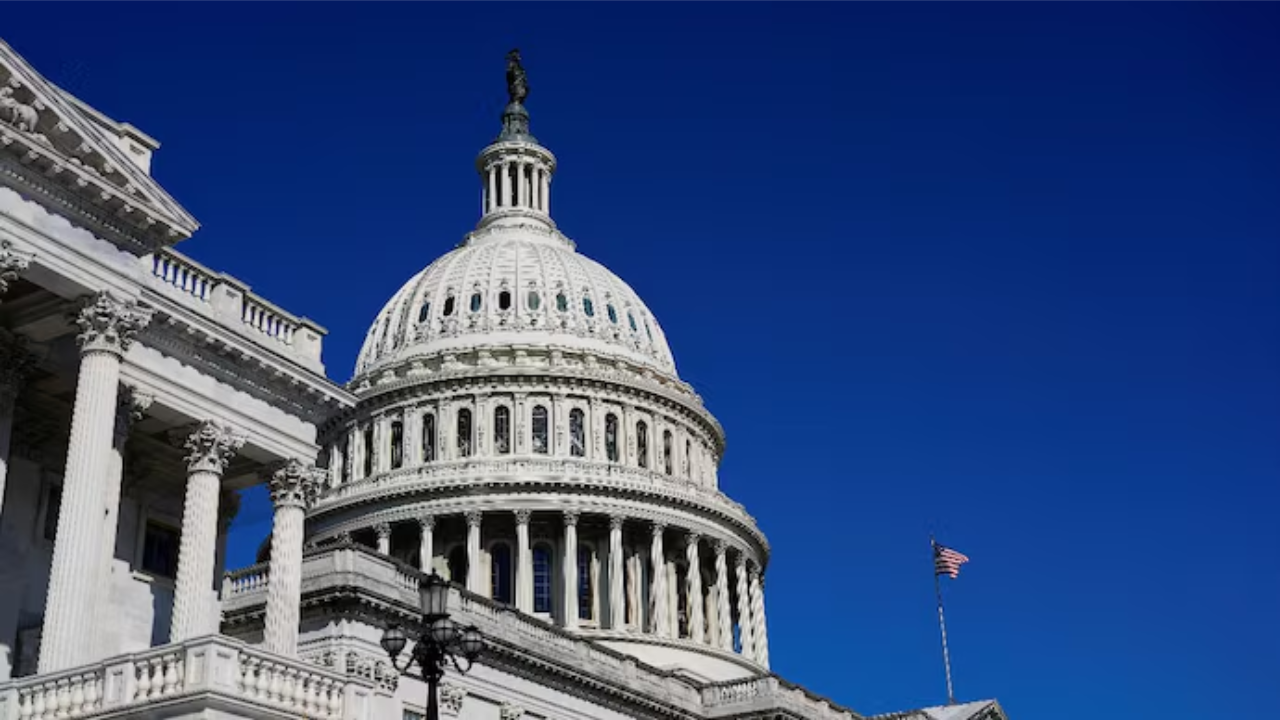
The longest federal government shutdown in US history, now past its 39th day, saw positive movement in the Senate on Saturday, though a major disagreement over Affordable Care Act (ACA) health insurance subsidies continues to block a final deal.
Thank you for reading this post, don't forget to subscribe!Senate Majority Leader John Thune (R-SD) acknowledged “positive” bipartisan talks, with lawmakers pursuing a two-track strategy to reopen the government.
The Senate’s Plan to Reopen Government
Senators are working on two legislative measures to end the funding crisis:
- Stopgap Funding: A temporary funding bill to reopen the entire government and keep it operational, likely through late January. This would buy time for a long-term agreement on the remaining nine annual spending bills.
- “Minibus” Full-Year Funding: Drafting of the full text of three longer-term bills to fully fund certain agencies through September 30, 2026. These include:
- Agriculture, food, and nutrition programs.
- Military construction and veterans’ programs.
- Funding for the operation of Congress.
The Healthcare Logjam: ACA Subsidies
The primary hurdle to a breakthrough is the expiration of the Affordable Care Act’s (ACA) enhanced health insurance subsidies (Premium Tax Credits), which help over 20 million Americans afford coverage.
- Democrats’ Demand: Senate Democratic Leader Chuck Schumer (D-NY) is pushing for a one-year extension of the subsidies as a condition for reopening the government. He has repeatedly warned that letting the credits expire will lead to skyrocketing premiums for millions.
- Republicans’ Stance: Republicans have firmly rejected tying the subsidy extension to the shutdown bill, insisting the government must be reopened first.
- Trump’s Alternative: President Donald Trump urged Republican senators to end the ACA subsidy program entirely and instead send the hundreds of billions of dollars directly to individuals so they can “purchase their own, much better, healthcare.” Several key Republican senators have publicly embraced this proposal, further complicating the negotiation by shifting the focus from a temporary extension to a full-scale repeal and replace debate.
Shutdown Impact Deepens
The ongoing impasse is causing severe disruptions across the country:
- Federal Workers: Hundreds of thousands of federal employees remain sidelined or are working without pay, with the next military and federal payday fast approaching.
- Food Aid: Critical programs are affected. SNAP (food stamp) funding has been withheld by the administration, and about 10,000 children have lost access to the Head Start early-learning and nutrition programs due to frozen grant approvals.
- Travel and Services: Air travel has seen reduced flights to relieve pressure on short-staffed air traffic control, and services at national parks are impacted.
Despite the positive reports of talks, the Senate is unlikely to break the logjam without a compromise on the fiercely contested healthcare subsidies.
Do you want an explanation of how the expiring ACA subsidies affect Americans’ health insurance costs?