the Vatican released “Magnifica Humanitas” (“Magnificent Humanity“)—the Catholic Church’s most comprehensive framework to date on the ethical, social, and spiritual risks of artificial intelligence.
Thank you for reading this post, don't forget to subscribe!The document was intentionally signed on the 135th anniversary of Rerum Novarum, the landmark 1891 papal letter on labor rights during the Industrial Revolution. The parallel is clear: just as the machine age required radical protections for workers, the AI age requires an overhaul to protect human dignity.
The 4 Core Warnings
- The Anthropological Crisis: Corporate “ethics guidelines” are not enough. The Pope warns against delegating life-altering decisions—like employment, credit, and legal judgments—to automated systems that lack human compassion.
- The Threat to Labor: While AI can relieve people of dangerous or tedious tasks, the text explicitly states that the pursuit of corporate profit must not systematically eliminate human livelihoods.
- AI Monopolies vs. Democracy: The Vatican warns that without strict government regulation, a tiny group of people controlling data and raw computing power will inevitably dictate the rules of global society, bypassing democratic institutions.
- Autonomous Warfare: The encyclical completely condemns the deployment of AI in weapons systems, warning against an automated “spiral of annihilation.”
A Historic Unveiling
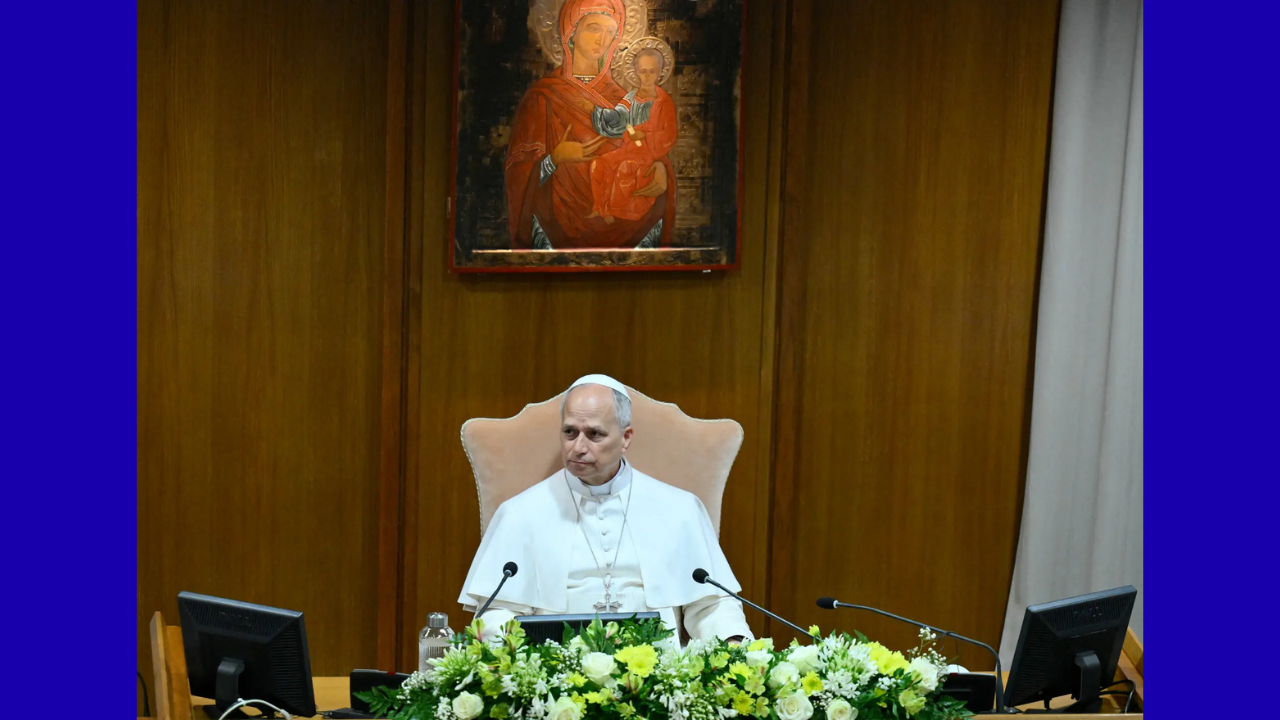
In a major departure from tradition, Pope Leo XIV presented the text in person at the Vatican’s Synod Hall.
Sharing the stage with the Pontiff was Christopher Olah, co-founder of the AI safety firm Anthropic. Bringing a prominent industry researcher—especially one specializing in “interpretability” (the science of unpacking how AI models make decisions)—signals that the Vatican intends to engage directly with the practical, technical realities of tech development, rather than offering passive critique from afar.
Why this matters: An encyclical is a high-level papal letter. It isn’t just an informal comment; it serves as official doctrine, making these ethical principles morally binding for the global Catholic church.

"Suresh Kumar Saini is an experienced Tax Assistant and finance writer. He specializes in US & Canada Tax Guide, Indian Income Tax laws, GST compliance, and personal finance, helping freelancers and remote workers optimize their taxes."