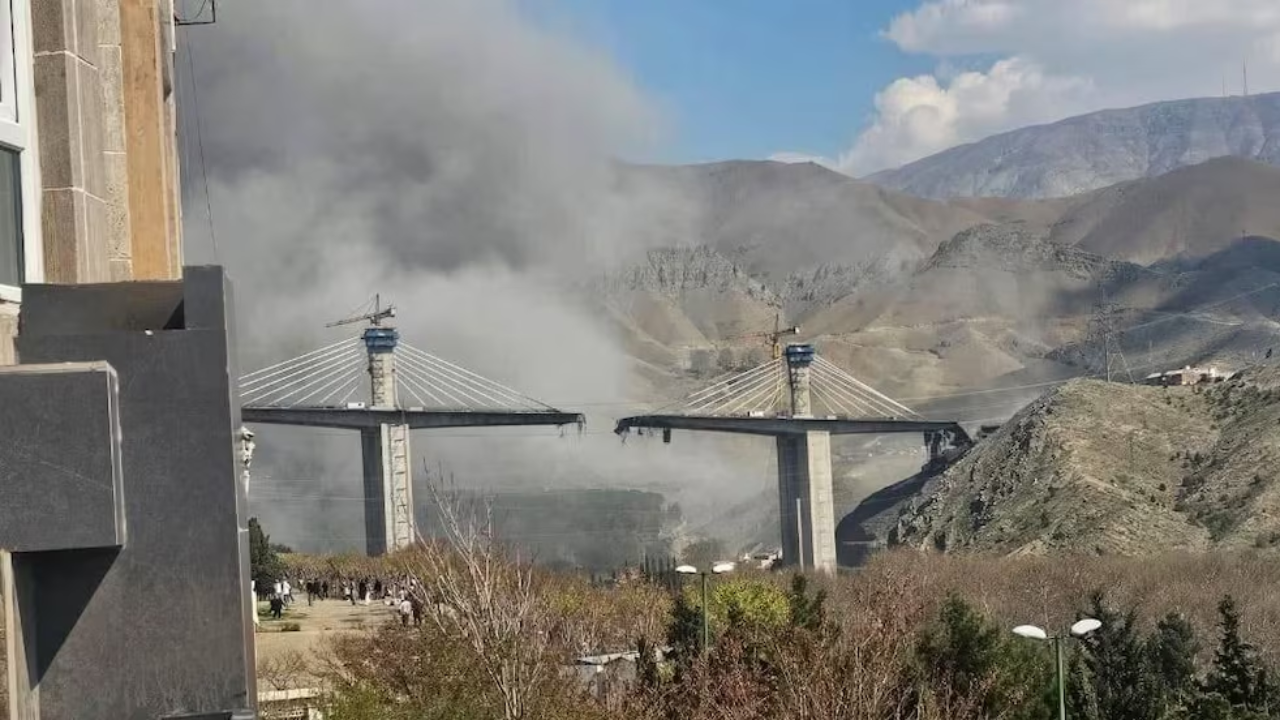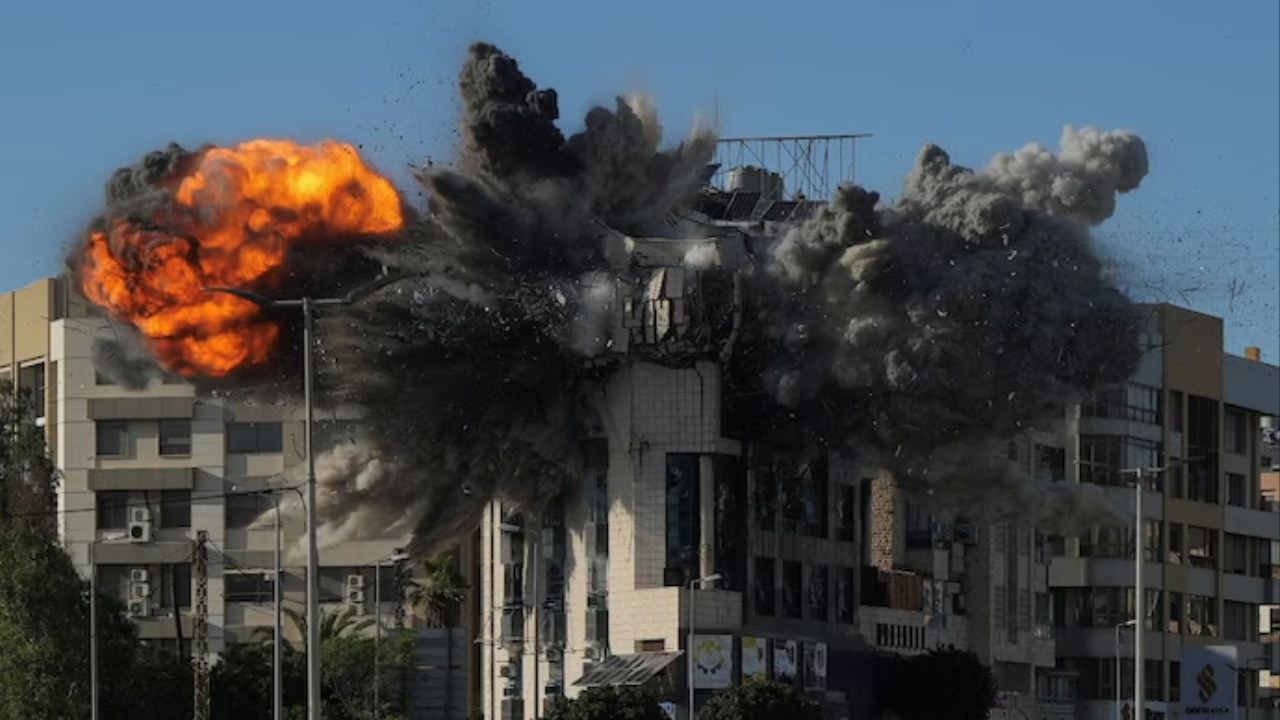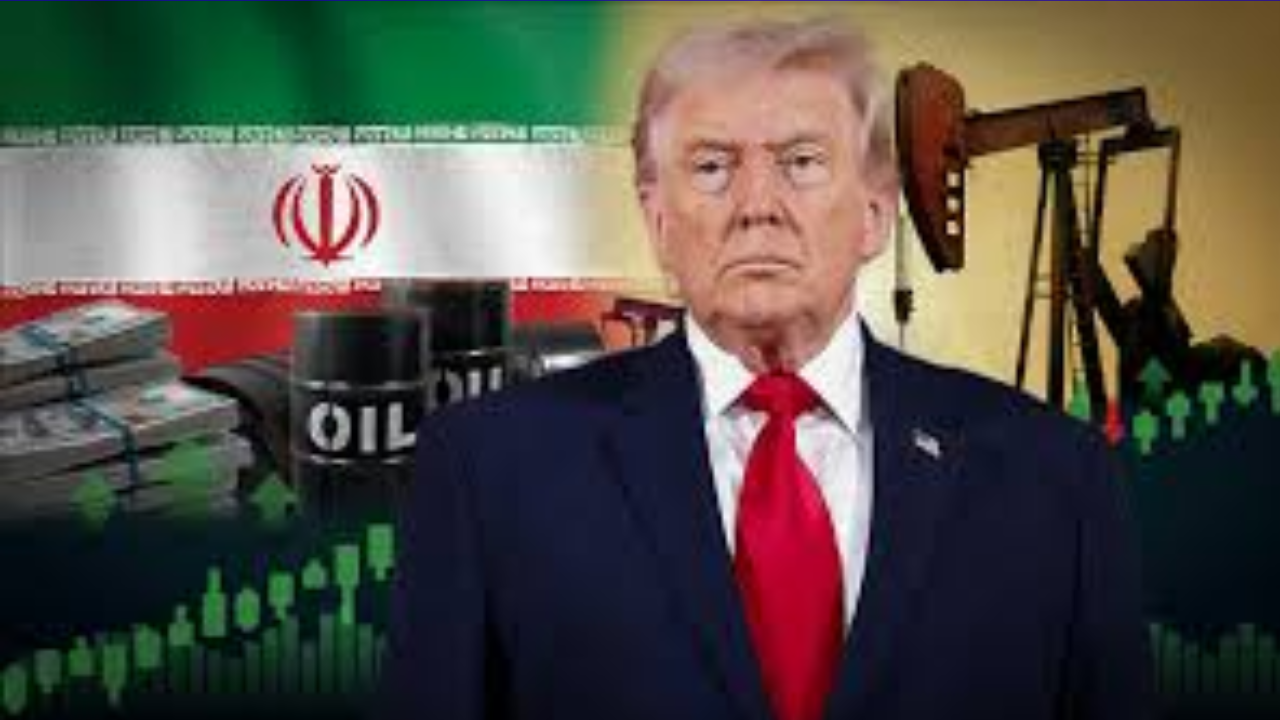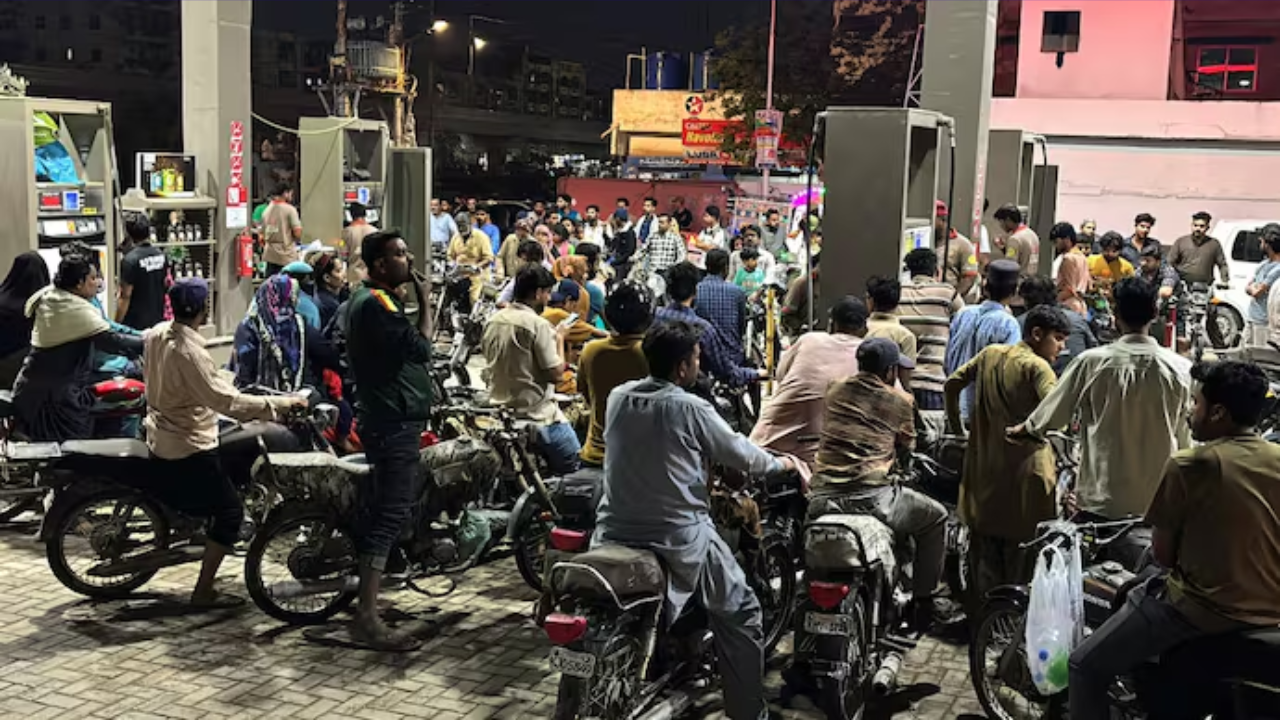
Pakistan’s energy landscape shifted drastically this morning as the government authorized a massive hike in petroleum prices. Effective Friday, April 3, 2026, the cost of High-Speed Diesel has jumped by 55%, while petrol prices have surged by 42%. This move follows a period of extreme volatility in international oil markets triggered by the escalating US–Iran conflict.
Thank you for reading this post, don't forget to subscribe!The New Price Reality
The Ministry of Finance confirmed the following price adjustments:
- High-Speed Diesel (HSD): Increased from Rs. 335.86 to Rs. 520.35 per litre.
- Petrol (Motor Spirit): Increased from Rs. 321.17 to Rs. 458.40 per litre.
- Kerosene Oil: Adjusted to Rs. 457.80 per litre.
Why Is This Happening?
Emergency Relief & Austerity
- Targeted Subsidies: Motorcyclists are eligible for a Rs. 100 per litre discount (up to 20 litres monthly), and inter-city transporters will receive similar support to help stabilize food prices.
- Agricultural Support: Small-scale farmers will receive a direct grant of Rs. 1,500 per acre to ensure planting seasons aren’t derailed.
- National Conservation: To curb demand, a four-day work week has been introduced for government offices, and schools are transitioning partially to online learning to reduce the number of vehicles on the road.