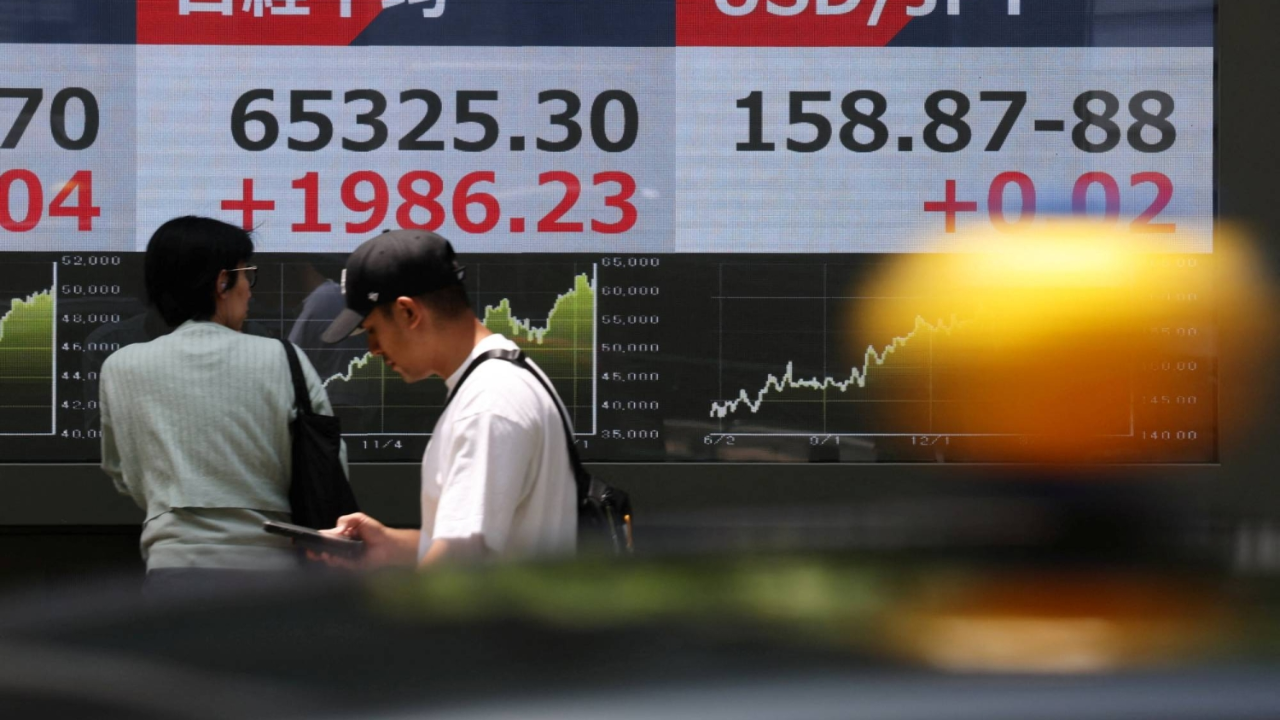
It’s official: Japan’s Ministry of Finance just confirmed they spent a staggering ¥11.73 trillion ($73.6 billion) between April 28 and May 27 to prop up the crashing yen.
Thank you for reading this post, don't forget to subscribe!This single-month blitz blows past the total amount spent during Japan’s entire 2022 intervention campaign. Here is what this record-breaking defense tells us about the market:
1. The ¥160 Line in the Sand
The Bank of Japan (BOJ) drew a hard line when the currency slid past ¥160.72 per dollar—a multi-decade low. By dropping tens of billions into the market—largely during Japan’s low-liquidity Golden Week holidays—authorities sent a brutal warning to currency speculators.
2. A Temporary Band-Aid on a Structural Problem
Despite the massive cash injection, the yen’s relief rally didn’t last long. After briefly strengthening to around ¥155, the currency drifted right back down toward the upper 159s.
Direct intervention buys time, but it cannot override the fundamental forces dragging the yen down:
- The Yield Gap: The U.S. Federal Reserve is holding interest rates high, while the BOJ is pivoting away from near-zero rates at a snail’s pace. Investors are simply chasing the higher yields in the U.S.
- The Energy Drag: As a massive energy importer, Japan must constantly sell yen to buy foreign oil, creating a permanent, structural downward pressure on its own currency.
The Bottom Line
Tokyo sits on a massive war chest of over $1.2 trillion in foreign reserves, meaning they have the firepower to step in again. However, this record-breaking month proves just how expensive—and exhausting—it is to fight global macroeconomic reality.

"Suresh Kumar Saini is an experienced Tax Assistant and finance writer. He specializes in US & Canada Tax Guide, Indian Income Tax laws, GST compliance, and personal finance, helping freelancers and remote workers optimize their taxes."