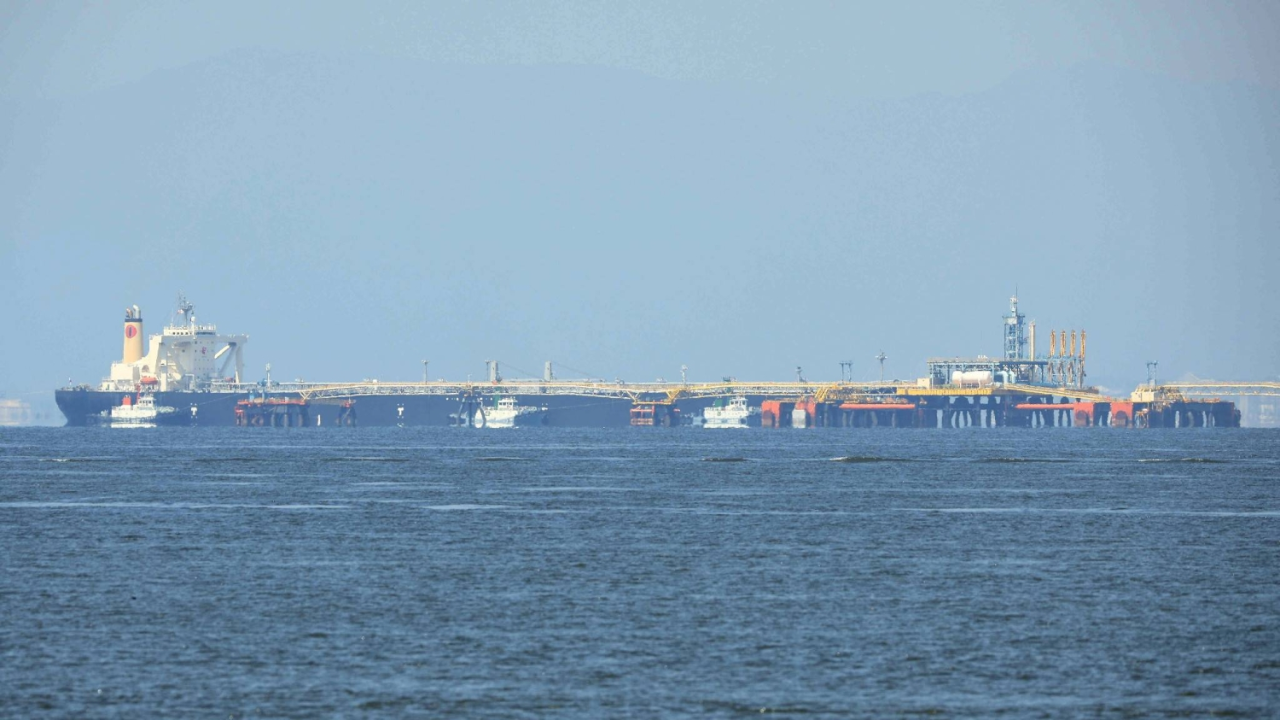
In a major breakthrough for Japan’s energy security, the Idemitsu Maru has successfully docked in Aichi Prefecture. It is the first crude oil tanker to return to Japan via the Strait of Hormuz since the escalation of the conflict involving Iran, the U.S., and Israel heavily restricted the vital maritime chokepoint.
Thank you for reading this post, don't forget to subscribe!The Voyage by the Numbers
- The Cargo: The Very Large Crude Carrier (VLCC) carried 2 million barrels of Saudi Arabian crude oil (approx. 300,000 kiloliters). This massive shipment represents about 80% of Japan’s daily refining capacity—equivalent to an entire day of domestic oil consumption.
- The Arrival: The Panama-flagged vessel anchored at a sea berth off Chita City, Aichi. The crude will be processed at Idemitsu Kosan’s Chita refinery into essential fuels like gasoline, diesel, and naphtha.
- The Crew: All crew members, including three Japanese nationals, returned safely and in good health.
Navigating a Wartime Chokepoint
The Idemitsu Maru faced a tense, months-long ordeal to secure its passage home:
- Trapped by Conflict: After loading its cargo in Saudi Arabia in late February, the ship was trapped in early March when Iran implemented a de facto blockade of the strait.
- The Standoff: Forced to anchor off Abu Dhabi during the height of the standoff, the vessel finally negotiated its exit and cleared the Strait of Hormuz on April 28. Notably, industry sources confirm the vessel did not pay a transit fee to Iranian authorities to secure its release.
- The Journey Home: Once clear, the tanker chartedit a course through the Indian Ocean and the Strait of Malacca before safely entering central Japan’s Ise Bay.
What This Means for Japan’s Energy Crisis
Chief Cabinet Secretary Minoru Kihara welcomed the arrival, calling it “pleasant news in terms of securing a stable energy supply.” Japan, which relies heavily on Middle Eastern crude, has been tapping into its strategic reserves since the conflict choked off global shipping lanes.
While the Idemitsu Maru marks a major diplomatic and logistical victory, the crisis is far from over. 39 Japan-related vessels remain stranded inside the Persian Gulf. However, a slow trickle of traffic is resuming; a second major tanker, the Eneos Endeavor, cleared the strait in mid-May and is expected to reach Japan by early June.

"Suresh Kumar Saini is an experienced Tax Assistant and finance writer. He specializes in US & Canada Tax Guide, Indian Income Tax laws, GST compliance, and personal finance, helping freelancers and remote workers optimize their taxes."