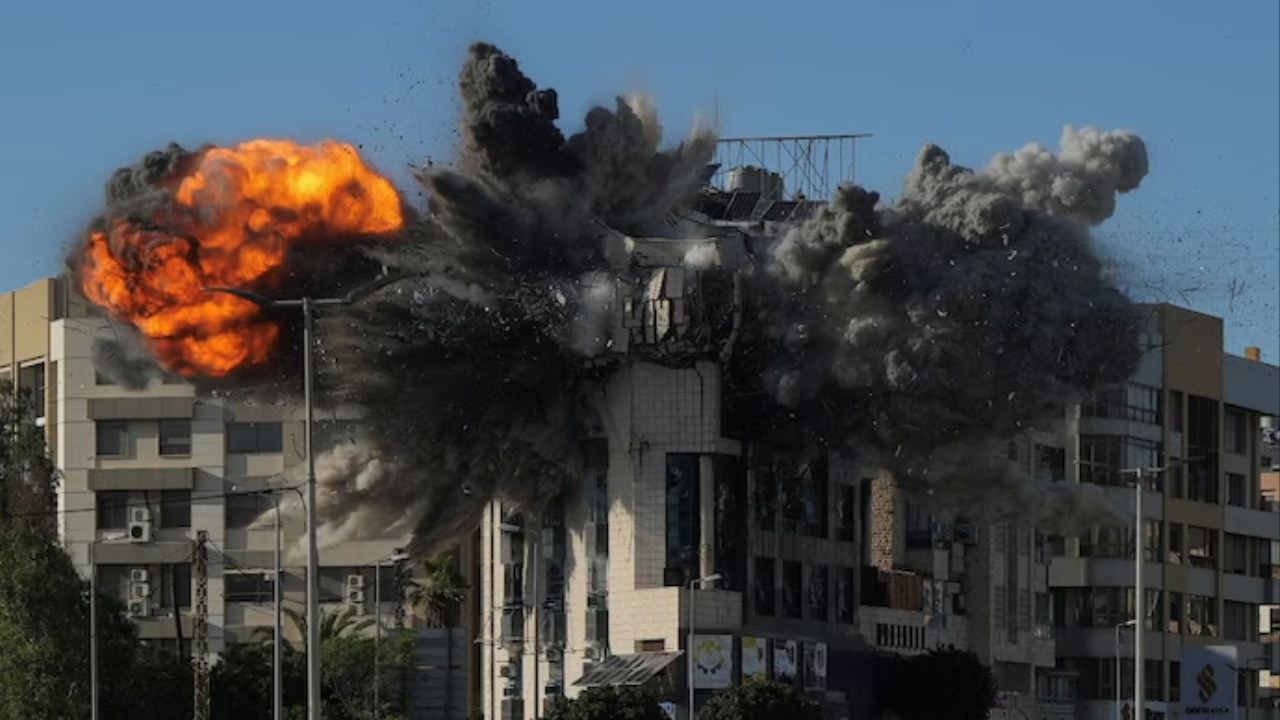
The landscape of modern warfare in the Middle East has undergone a grim transformation. As of early 2026, the traditional boundaries between the front lines and the home front have blurred, turning schools into tragedy sites and luxury hotels into tactical targets. This shift highlights a systemic breakdown in humanitarian protections, as combatants increasingly view civilian infrastructure through the lens of “strategic utility.”
Thank you for reading this post, don't forget to subscribe!Infrastructure in the Crosshairs
The early months of 2026 have been marked by a series of high-profile strikes on sites previously considered off-limits under international norms.
1. Education as a Casualty
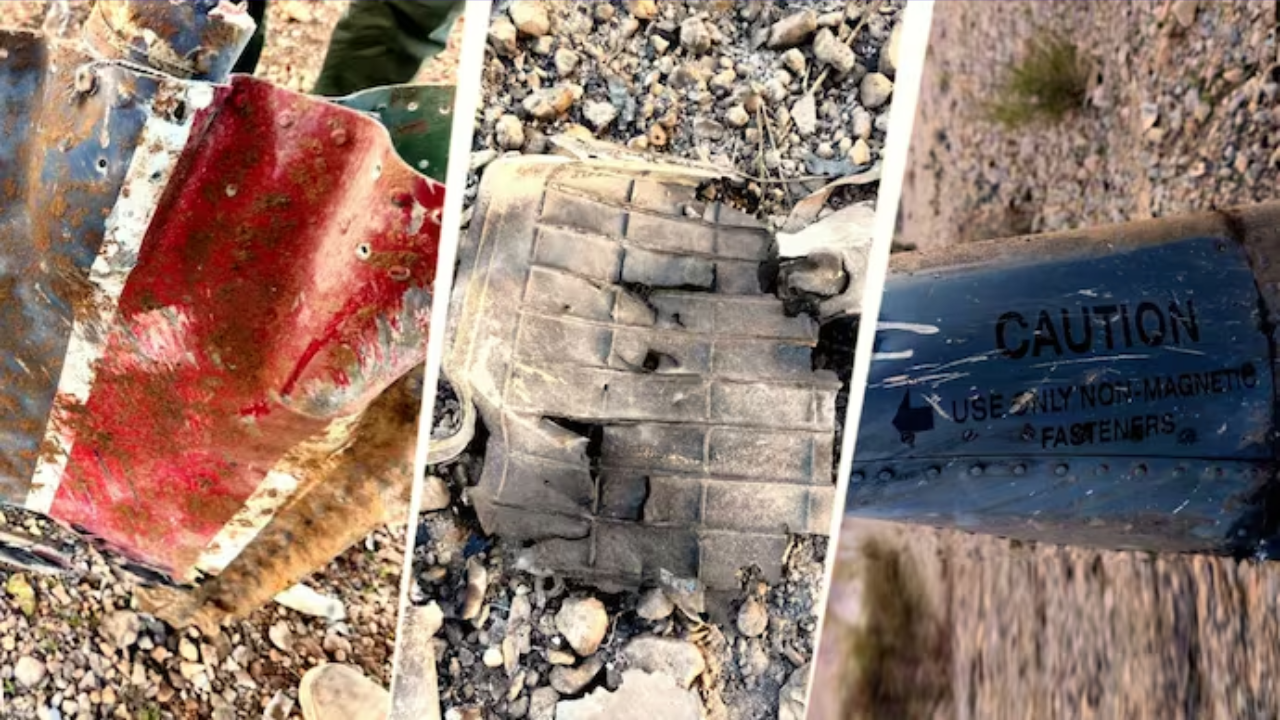
On February 28, 2026, the Shajareh Tayyebeh primary school in Minab, Iran, became a symbol of this disregard for civilian life. A missile strike at the facility resulted in the deaths of 168 people, primarily children. Such attacks on schools do more than cause immediate loss of life; they dismantle the social fabric and future stability of the affected regions.
2. The Economic Front: Hotels and Landmarks
Warfare has moved into the “prestige” sector, with strikes hitting high-density commercial and hospitality hubs.
- Dubai: Strategic strikes on the Burj Al Arab and the International Financial Centre were designed to shatter the region’s image as a safe global haven.
- Economic Impact: These attacks aim to trigger capital flight and paralyze investor confidence, effectively using civilian architecture as a tool for economic sabotage.
3. Systematic Crippling of Utilities
The destruction has extended to the very systems that sustain life:
- Water Scarcity: Strikes on desalination plants in Iran and Bahrain have left tens of thousands of civilians without reliable access to clean water.
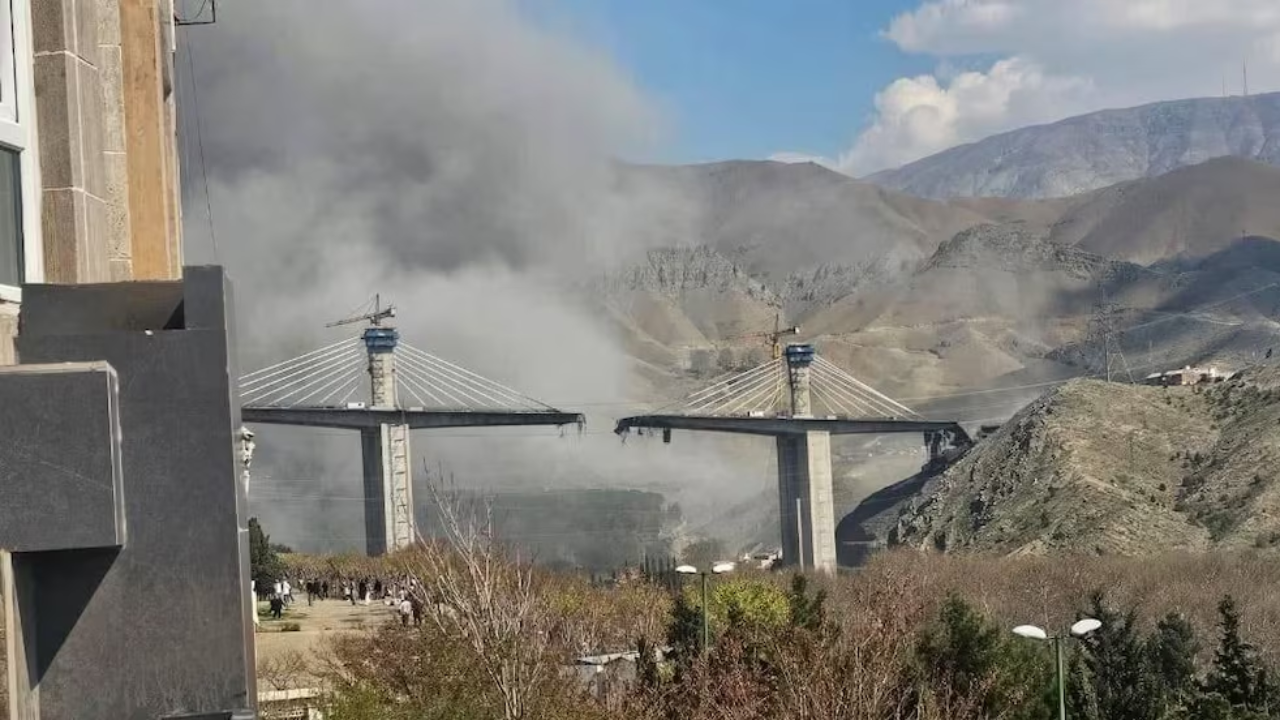
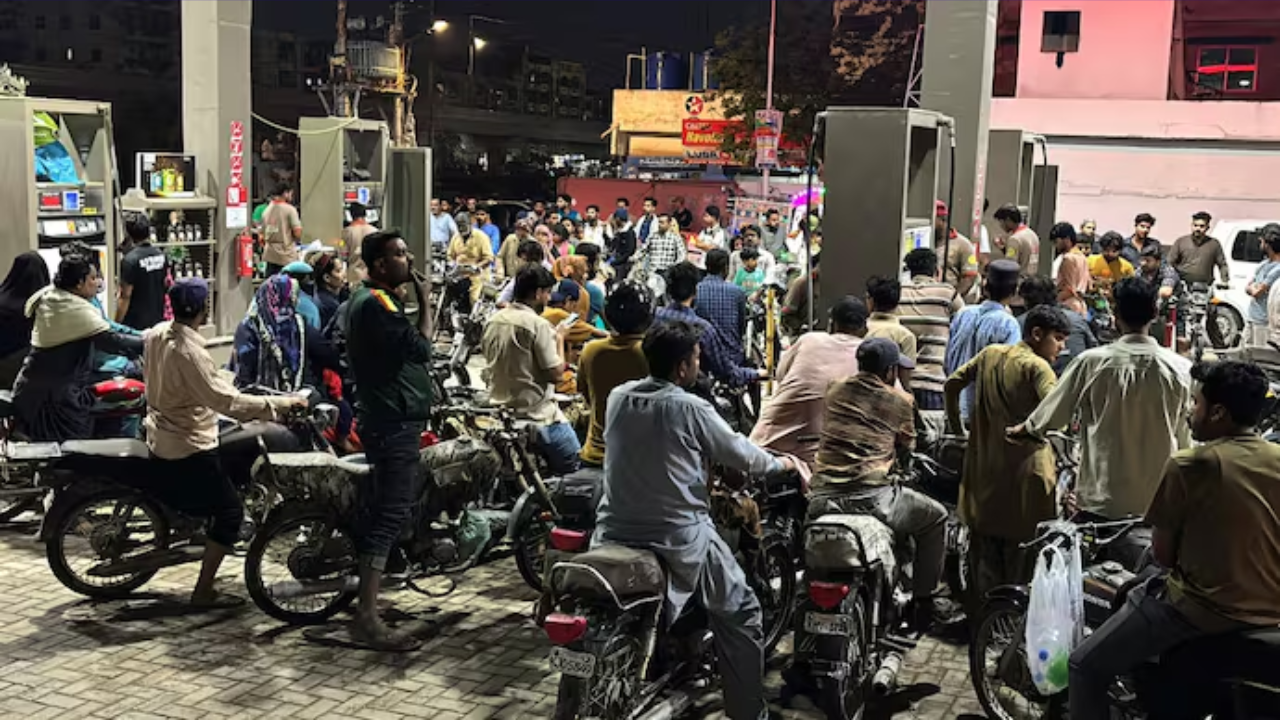
- Energy Paralysis: Major facilities, including Qatar’s Ras Laffan LNG and Kuwaiti refineries, have suffered damage that experts estimate will take up to five years to repair, threatening both local power and global energy markets.
The Collapse of Legal Norms
The systematic targeting of these sites represents a direct challenge to International Humanitarian Law (IHL) and the Geneva Conventions.
The Erosion of Distinction
The core tenet of IHL is the Principle of Distinction, which mandates that combatants differentiate between military targets and civilian objects. Under Article 52 of Additional Protocol I, a building like a hotel or school only loses its protected status if it provides an “effective contribution to military action.”
The “Dual-Use” Loophole
A recurring theme in 2026 is the controversial labeling of civilian sites as “dual-use.” Attackers frequently justify strikes by claiming that:
- Banks provide the financial backbone for military operations.
- Hotels may house personnel or facilitate communications.
- Utilities power military hardware alongside civilian homes.
The Humanitarian Reality: Human rights organizations emphasize that the “military advantage” gained by striking a school or power plant rarely justifies the disproportionate suffering inflicted on the civilian population.
Looking Ahead
The normalization of attacks on civilian sites suggests a shift toward “total war,” where the psychological and economic exhaustion of a population is the primary objective. Without a renewed commitment to the Presumption of Civility—the legal requirement to treat a site as civilian in cases of doubt—the humanitarian crisis in the Middle East is poised to deepen.
What specific aspect of these civilian attacks—the legal implications, the economic fallout, or the humanitarian response—would you like to explore further?