In January 2026, the once-thriving Somali business corridors of Minneapolis have been transformed into “ghost towns.” A massive federal immigration enforcement initiative, Operation Metro Surge, has deployed thousands of agents into the Twin Cities, triggering an economic collapse for immigrant-owned enterprises in neighborhoods like Cedar-Riverside and along Lake Street.
Thank you for reading this post, don't forget to subscribe!Commerce at a Standstill
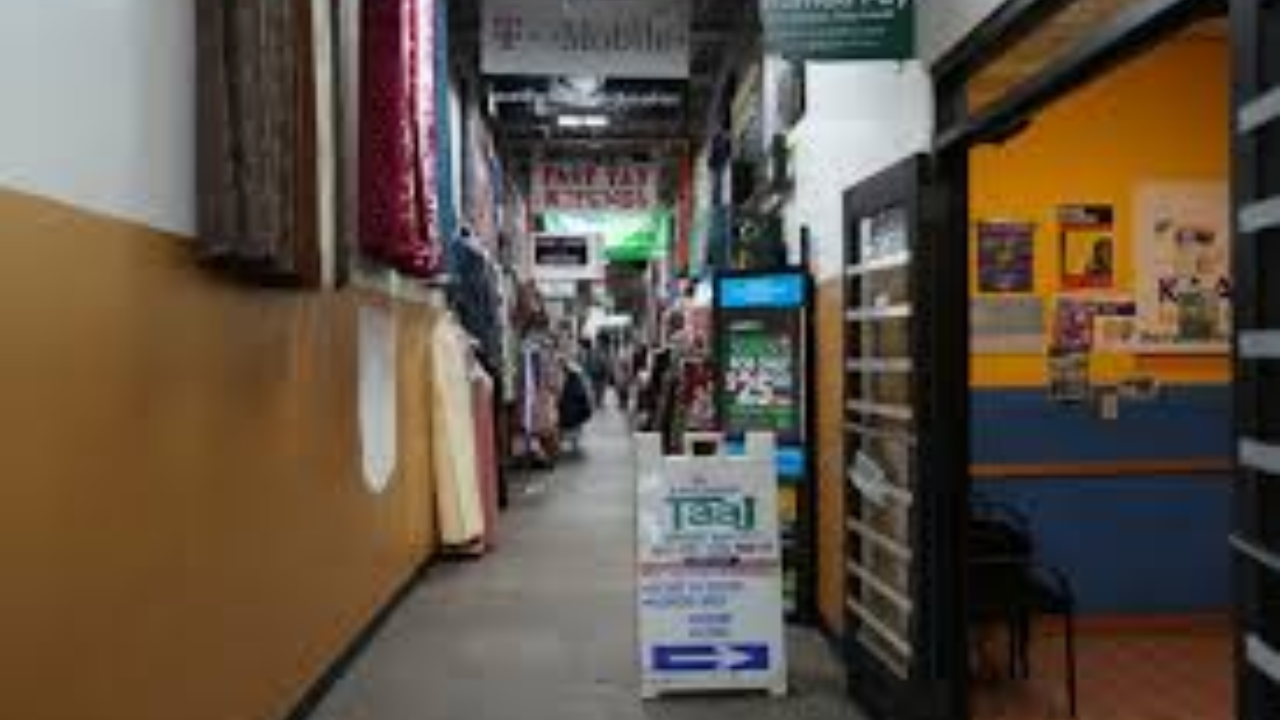
The financial impact on the Somali community is staggering. Cultural and commercial hubs that typically bustle with activity—such as Karmel Mall—are seeing record-low foot traffic.
- Drastic Revenue Declines: Many shop owners report that daily sales have plummeted by over 50%, with some small vendors seeing zero customers for days at a time.
- Widespread Closures: Fear of detention has forced nearly 70% of shops in certain Somali malls to shutter their doors temporarily.
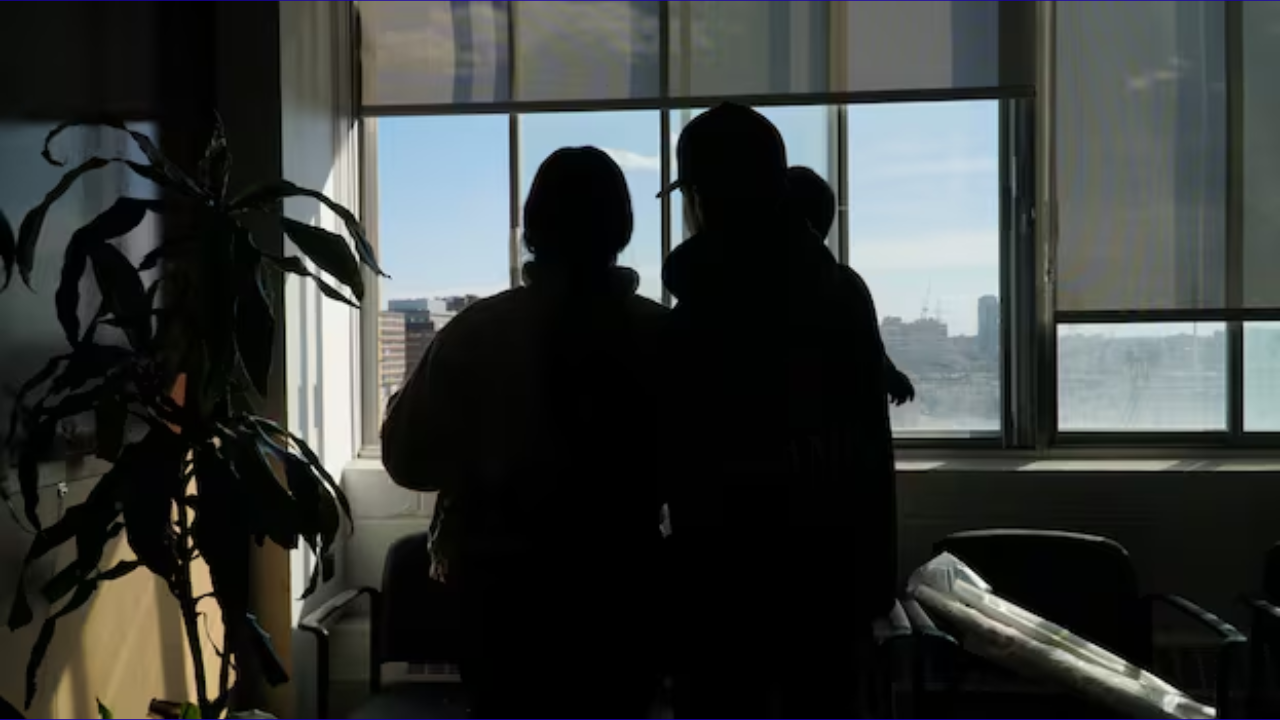
- Labor Crisis: The impact is not limited to those without status. U.S. citizens and legal residents are increasingly staying home to avoid racial profiling or being caught in “checkpoints,” leading to severe staffing shortages in both local shops and the broader Twin Cities service industry.
A Community Under Siege
“It feels like an occupation,” one business owner noted. “People aren’t just afraid for their status; they are afraid to walk to the grocery store or open their registers.”
Resistance and Resilience
In response to the crackdown, the community has moved into a defensive posture:
- Volunteer Surveillance: “ICE Watch” groups have formed, using orange whistles and social media apps to alert neighbors when unmarked federal vehicles enter a block.
- Safety Vetting: Some businesses now operate with locked doors, requiring community members to “vouch” for entrants to ensure they aren’t undercover agents.
- Solidarity Efforts: In a show of support, local faith groups and neighbors have launched “Buy Somali” campaigns to help provide a financial buffer for businesses on the brink of permanent closure.
The Rhetoric of Harassment
Beyond the legal actions, business owners are facing a rise in targeted harassment. Inflammatory language from federal officials has emboldened bad actors, resulting in a spike in threatening calls and online hate directed at Somali-owned daycare centers and restaurants. While the government claims to be targeting fraud, the collateral damage is the systematic dismantling of a vital part of the Minneapolis economy.